How a Franciscan friar became the first anthropologist of the New World
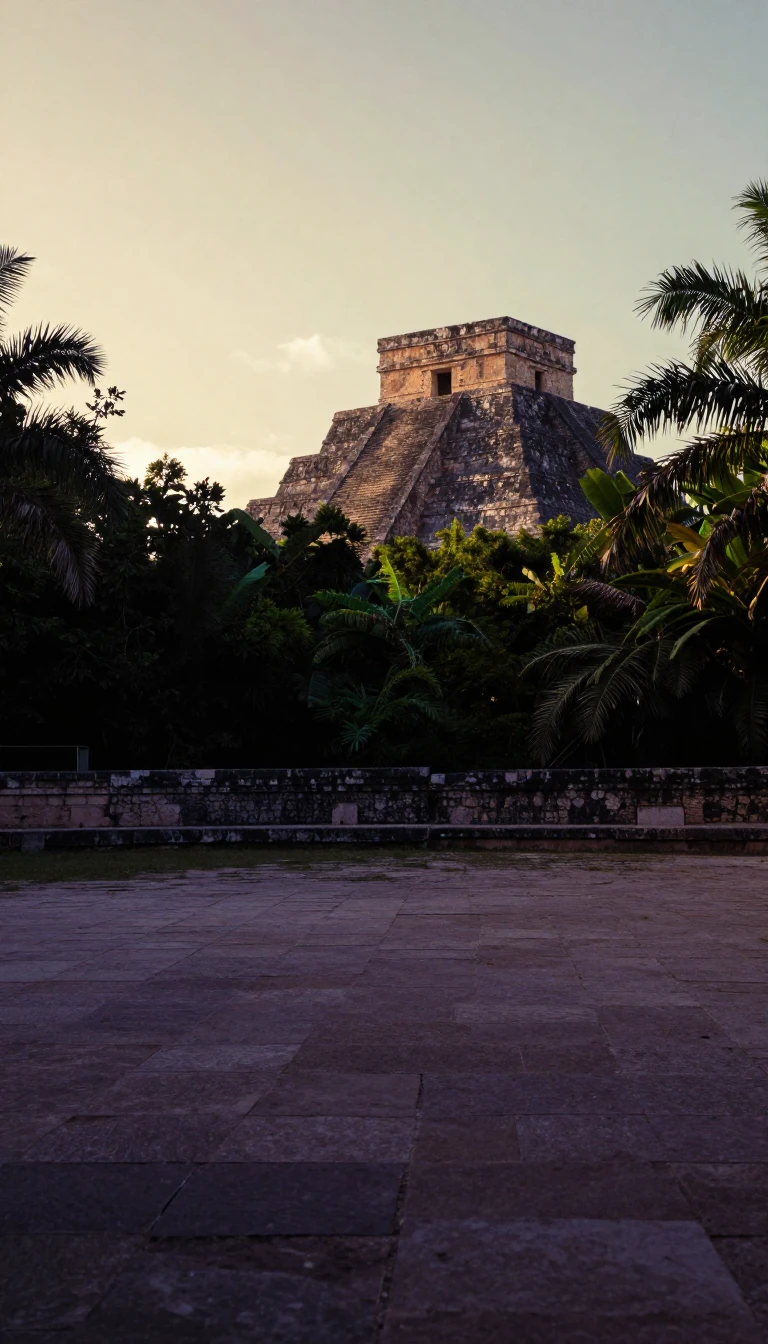
In short: Bernardino de Sahagún arrived in Mexico in 1529, embarking on a lifelong quest to document Aztec culture. By interviewing indigenous noblemen and priests, he compiled an encyclopedic record that remains a vital window into a lost world, earning him recognition as a pioneer of modern ethnographic research methods.
Born in Spain in 1499, Bernardino de Sahagún joined the Franciscan order and eventually traveled to Mexico, where he spent over six decades. His primary mission was religious conversion, yet his intellectual curiosity led him to master the Nahuatl language. This linguistic skill allowed him to gather deep insights into Aztec life, ranging from folk medicine and religion to economics and history, directly from indigenous sources.
His magnum opus, the General History of the Things of New Spain, is a massive, twelve-book project. The most famous version, the Florentine Codex, contains 2,400 pages and roughly 2,500 illustrations. These images, created by native artists, serve as a unique visual record. The text itself is bilingual, presenting Spanish and Nahuatl on opposing pages, which provides a rare, dual-perspective account of the era, including the conquest of the Aztec Empire from the viewpoint of the local population.
Sahagún’s approach was revolutionary for the 16th century. He developed systematic methods for collecting and verifying ethnographic data, ensuring his accounts were grounded in the testimony of those who lived the culture. While his work was originally intended to aid missionary efforts, it transcended that goal to become a foundational text for understanding Mesoamerican history. In 2015, UNESCO recognized the immense value of his work by declaring it a World Heritage item, cementing his legacy as a father of American ethnography.
Opens the Intellect+ feed with this card first. Swipe up for the next one.
Sources
- Summary by Intellect · source: Bernardino de Sahagún | Spanish historian | Britannica
- Also: Bernardino de Sahagún
To cite this card, link to https://intellectplus.co.uk/app/science-bernardino-de-sahag-n.
How we source, check and correct cards: Editorial standards.
General information, not professional advice. Spotted an error? Flag the card or see corrections and complaints.
Intellect Plus is a visual educational discovery platform for exploring fascinating facts and ideas. Brain Food, Not Brain Rot. What is Intellect Plus?
Related
More in History · Latest · A–Z · All topics
