Why did this major Roman city vanish while others like London continued to thrive?
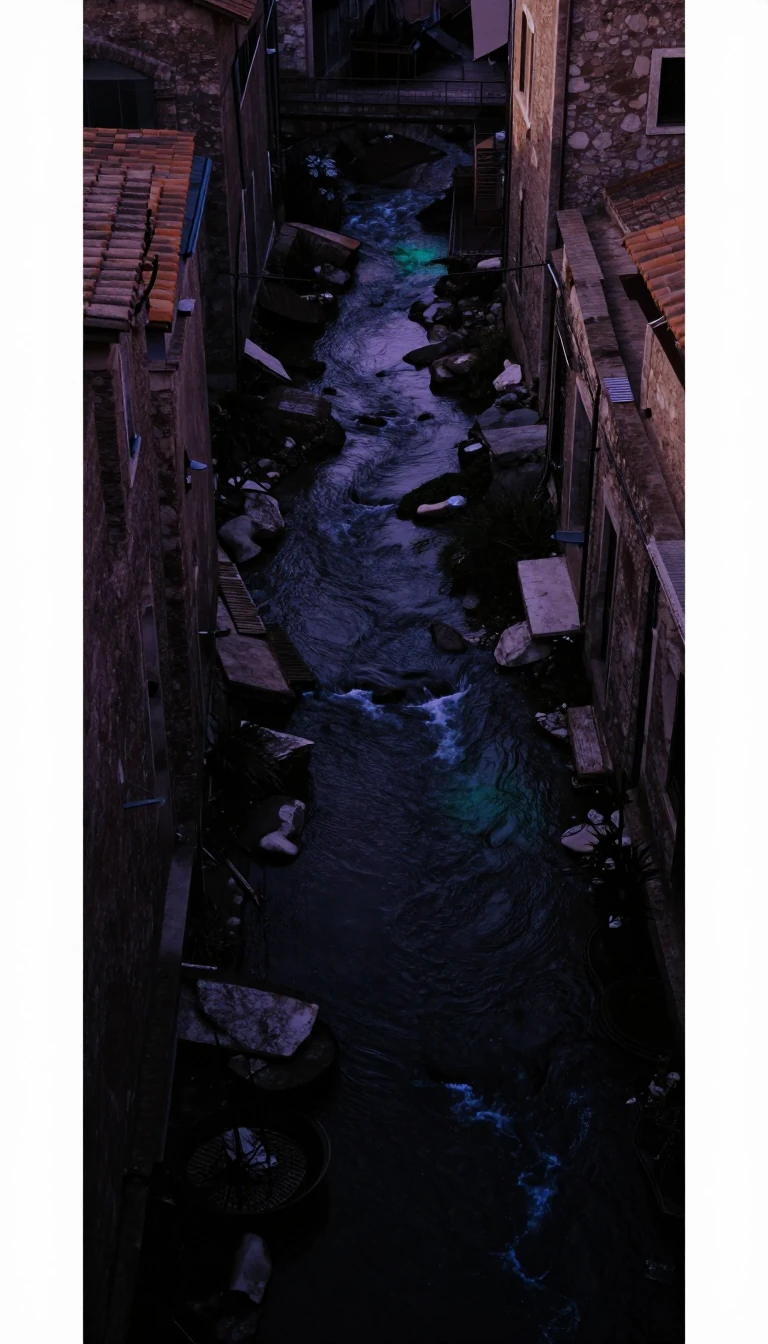
In short: Calleva Atrebatum was once a bustling Roman hub, yet unlike London or Winchester, it was abandoned after the Roman period. Today, this ancient city lies hidden beneath open fields, its sophisticated street grid and stone foundations preserved underground, untouched by the modern urban sprawl that buried its peers.
Calleva Atrebatum originated as an Iron Age oppidum, a nucleated settlement for the Atrebates tribe. Archaeological evidence suggests the site became a base for their leader, Commius, around 50 BC following his flight from Julius Caesar. Early occupation featured wooden roundhouses, which were eventually replaced by a formal, rectilinear layout of streets and timber buildings by the end of the first century BC. This high-status settlement engaged in extensive trade with the continent, importing fine pottery, amphorae, and luxury goods like olive oil and fish sauce.
Following the Roman conquest in AD 43, the site evolved into a formal Roman town. It served as a civitas capital, acting as an administrative and economic center for the region. The Romans implemented a new, planned street grid and constructed significant public infrastructure, including a forum-basilica, thermal baths, and an amphitheater capable of holding approximately seven thousand spectators. By the third and fourth centuries AD, the town flourished, supporting a population of nearly 10,000 inhabitants. Its strategic location made it a vital crossroads, connecting to major routes like the Devil's Highway.
The site's unique preservation is due to its abandonment after the Roman era. While other Roman cities re-emerged as medieval and modern urban centers, Calleva remained in open countryside. This allowed for extensive 19th and 20th-century excavations, most notably by the Society of Antiquaries between 1890 and 1909, which mapped the entire town plan. Today, the site is a scheduled monument where the only visible remnants are the impressive third-century town walls and earthworks, while the city's complex history remains buried beneath the pasture.
Opens the Intellect+ feed with this card first. Swipe up for the next one.
Sources
- Summary by Intellect · source: The Late Iron Age oppidum and Roman town of Calleva Atrebatum and associated features, Silchester - 1011957 | Historic England
- Also: Calleva Atrebatum
- Also: Calleva - A Roman City - Silchester Archaeology
To cite this card, link to https://intellectplus.co.uk/app/science-calleva-atrebatum.
How we source, check and correct cards: Editorial standards.
General information, not professional advice. Spotted an error? Flag the card or see corrections and complaints.
Intellect Plus is a visual educational discovery platform for exploring fascinating facts and ideas. Brain Food, Not Brain Rot. What is Intellect Plus?
Related
More in Social scientists · More in Science · Latest · A–Z · All topics
