A Scottish landmark evolved from a leper colony to a seat of national government.
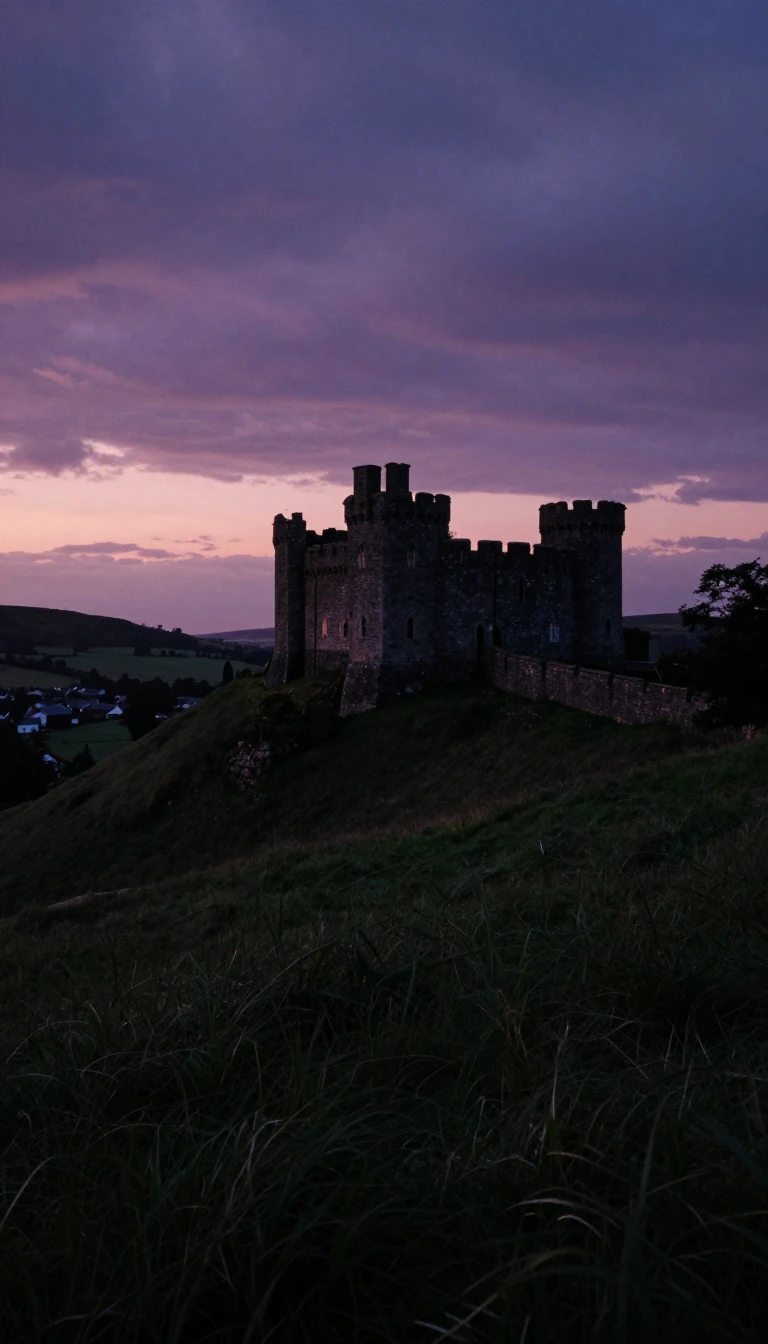
In short: Calton Hill is more than a scenic Edinburgh viewpoint. Once a site for medieval tournaments and a grim leper hospital, it became a hub for political protest, photography, and architectural ambition. Today, it serves as the headquarters for the Scottish Government, balancing its complex history with modern civic life.
The identity of Calton Hill has shifted dramatically over centuries. Originally known as Cragingalt, the area was granted to Edinburgh by James II in 1456, serving as a venue for military training and public spectacles. By 1591, the site hosted a hospital for lepers, where the rules were so stringent that unauthorized movement at night carried the death penalty. This dark history eventually gave way to urban development, with the village of Calton growing at the hill's base before being absorbed into Edinburgh by the 1856 Municipality Extension Act.
Architectural aspirations defined the hill's 19th-century transformation. William Henry Playfair designed elegant terraces that attracted wealthy traders, while the Scottish National Monument—intended to replicate the Parthenon—remained unfinished after funding collapsed in 1829. This incomplete structure, once derided as a national disgrace, now stands as a permanent feature of the skyline. Meanwhile, the hill became a center for innovation; Robert Barker created the world's first 360-degree panorama here in 1787, and Robert Adamson pioneered early photography at Rock House in the 1840s.
The hill remains a focal point for contemporary Scottish life and controversy. It has hosted long-standing political demonstrations, including a vigil for Scottish devolution that lasted for years while the Royal High School was considered for a future parliament site. Today, the hill is managed by the Calton Hill Conservation Trust, which works to address ongoing challenges regarding public safety and heritage preservation. From the burial ground where David Hume rests to the modern offices of St. Andrew's House, the hill continues to mirror the evolving character of the city itself.
Opens the Intellect+ feed with this card first. Swipe up for the next one.
Sources
- Summary by Intellect · source: Calton Hill
To cite this card, link to https://intellectplus.co.uk/app/science-calton-hill.
How we source, check and correct cards: Editorial standards.
General information, not professional advice. Spotted an error? Flag the card or see corrections and complaints.
Intellect Plus is a visual educational discovery platform for exploring fascinating facts and ideas. Brain Food, Not Brain Rot. What is Intellect Plus?
Related
More in Mathematicians · More in Science · Latest · A–Z · All topics
