The legal paradox of the home as a sovereign castle
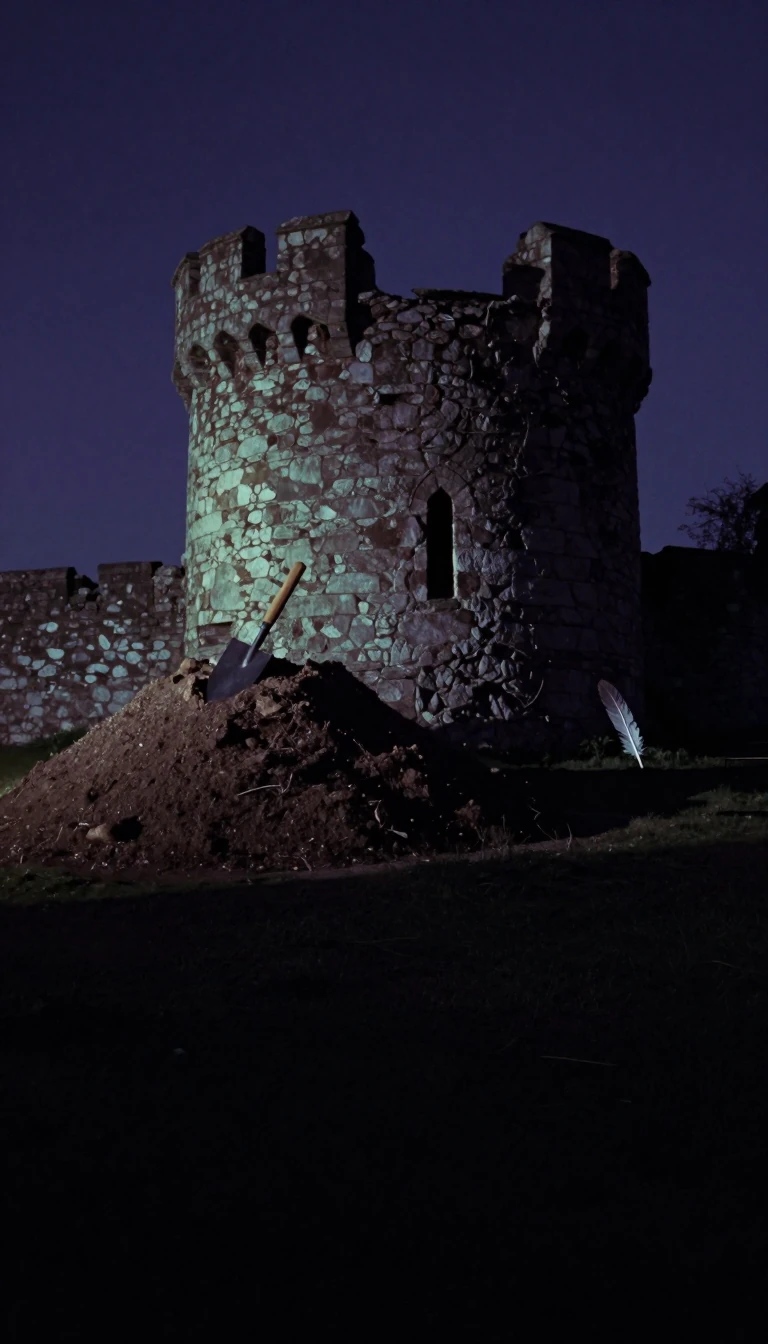
In short: In many legal systems, your home is considered a sanctuary where the rules of engagement change. This principle, known as the castle doctrine, suggests that the right to defend one's property can override the standard duty to retreat, creating a profound tension between the sanctity of private space and the use of lethal force.
The concept of the home as an inviolable sanctuary has deep roots in Western civilization, dating back to the Roman Republic. In English common law, it was famously codified by the 17th-century jurist Sir Edward Coke, who asserted that a man's house is his safest refuge. This sentiment was later popularized in 1763 by William Pitt, the Earl of Chatham, who argued that even the poorest man's cottage could defy the King's forces, asserting that the Crown could not cross a private threshold.
Modern 'castle doctrine' laws, particularly prominent in the United States, build on these common law principles. They generally remove the 'duty to retreat,' meaning a person may use force—including deadly force—against an intruder without being required to flee first. This is distinct from 'justifiable homicide,' where the burden of proof is often higher; under a castle doctrine, the mere act of trespassing can sometimes be sufficient to invoke protections, significantly lowering the legal hurdle for the defender.
However, the application of these laws remains highly contested and emotionally charged. In England and Wales, the law typically requires that force used must be 'proportionate' to the harm averted. This creates a legal friction point when a householder uses fatal force to defend property alone. High-profile cases, such as those involving Richard Osborn-Brooks and Tony Martin, highlight the gap between public perception—which often favors the 'hero' defender—and a legal system that must weigh the emotional dynamics of a home invasion against strict rules of proportionality.
Opens the Intellect+ feed with this card first. Swipe up for the next one.
Sources
- Summary by Intellect · source: The Open University
- Also: Castle doctrine
- Also: Castle Doctrine | law | Britannica
To cite this card, link to https://intellectplus.co.uk/app/science-castle-doctrine.
How we source, check and correct cards: Editorial standards.
General information, not professional advice. Spotted an error? Flag the card or see corrections and complaints.
Intellect Plus is a visual educational discovery platform for exploring fascinating facts and ideas. Brain Food, Not Brain Rot. What is Intellect Plus?
Related
More in Social scientists · More in Science · Latest · A–Z · All topics
