Cerulean: From a chemist's lab to the color of the millennium
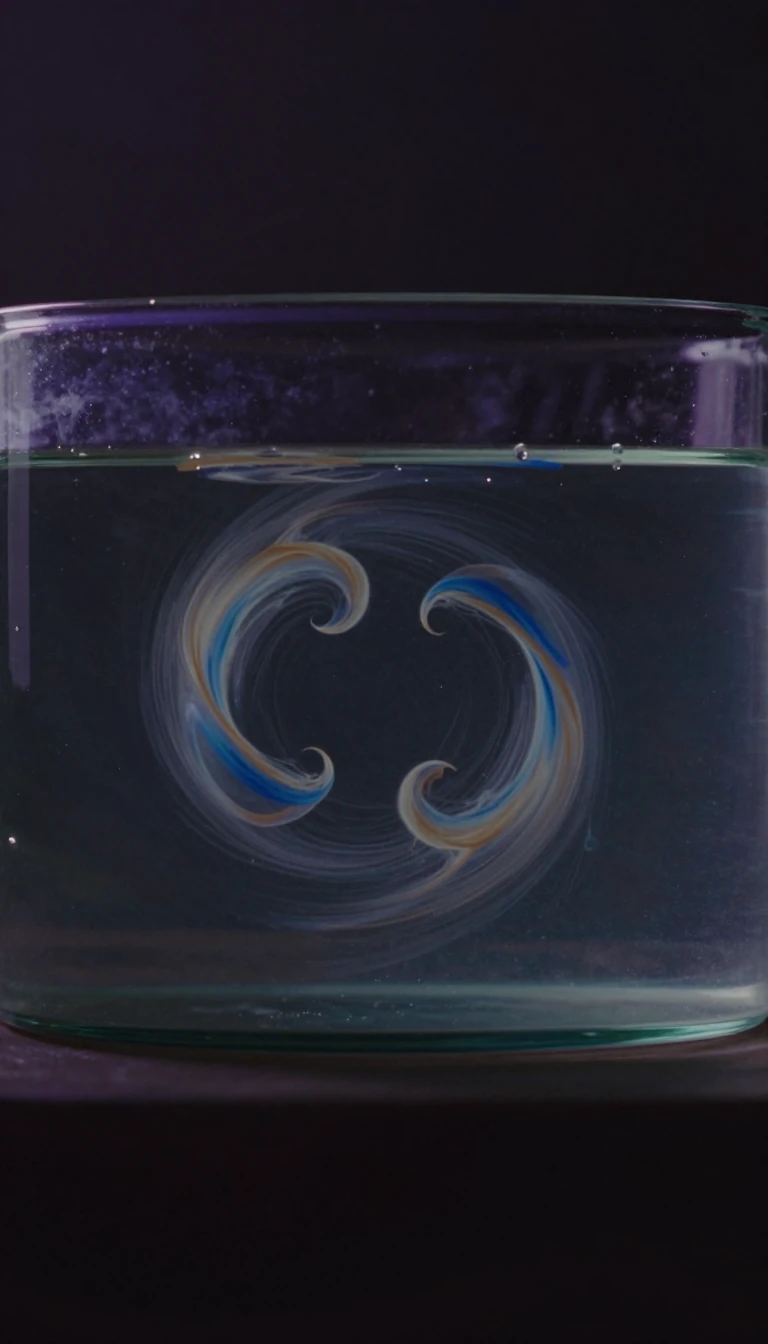
In short: Cerulean is more than a shade of blue; it is a chemical innovation that reshaped art history. Originally synthesized in the late eighteenth century, this stable, greenish-blue pigment eventually captured the attention of masters like Monet and Picasso, before becoming a cultural icon of the modern fashion industry.
The story of cerulean begins in 1789, when Swiss chemist Albrecht Höpfner synthesized the pigment by heating roasted cobalt and tin oxides. Known initially as Höpfner blue or Cölinblau, the substance remained a niche product for decades. It was not until the late 1850s that art suppliers began marketing it under names like 'caeruleum' or 'ceruleum' blue. Widespread adoption by artists finally arrived in the 1870s, as the pigment became available in oil paint, offering a stable, light-resistant alternative to existing blues.
The pigment's unique properties made it a favorite among Impressionists. Claude Monet, for instance, incorporated it into his 1877 work from the La Gare Saint-Lazare series. National Gallery researchers suggest that cerulean's distinct greenish tone likely helped it displace Prussian blue in the palettes of the era. Other artists, such as Berthe Morisot and Paul Signac, also utilized the pigment, while Van Gogh famously created his own approximation by mixing cobalt blue, cadmium yellow, and white.
Beyond the canvas, cerulean has permeated modern culture in surprising ways. Following World War II, the United Nations adopted the color for its emblem, with designer Oliver Lundquist selecting it specifically as the antithesis of red, the color of war. In the twenty-first century, the color gained renewed prominence when Pantone named it the first-ever Color of the Year for 2000, calling it the 'color of the millennium'. Its cultural footprint was further cemented by the iconic 'cerulean sweater' monologue in the film The Devil Wears Prada, which illustrated how high-fashion trends eventually filter down to the mass market.
It is important to distinguish between the original cobalt stannate pigment and modern variations. While the authentic version is prized for its stability, some contemporary manufacturers market cobalt chromate under the cerulean name, resulting in a darker, greener hue often labeled as 'cobalt turquoise'. Despite these variations, the name itself remains rooted in the Latin 'caeruleus', a nod to the deep, celestial blue of the sky.
Opens the Intellect+ feed with this card first. Swipe up for the next one.
Sources
- Summary by Intellect · source: Cerulean
To cite this card, link to https://intellectplus.co.uk/app/science-cerulean.
How we source, check and correct cards: Editorial standards.
General information, not professional advice. Spotted an error? Flag the card or see corrections and complaints.
Intellect Plus is a visual educational discovery platform for exploring fascinating facts and ideas. Brain Food, Not Brain Rot. What is Intellect Plus?
Related
More in Color · More in Science · Latest · A–Z · All topics
