 Intellect Plus
Color
58 cards. Each one is a 40-second story with a five-minute read behind it.
 Why color harmony is more than just picking a paletteMastering color is about understanding the relationship between hues rather than just selecting them. This video breaks down the essential principles of color theory and context t…
 The apple in your hand is not actually redWhy do objects have color? Neil deGrasse Tyson explores the physics of light and human physiology to explain how our senses interpret the world around us.
 Is color a physical reality or a trick of the mind?This video explores the fundamental tension between physics and perception. By examining the historical clash between Isaac Newton and Johann Wolfgang von Goethe, it investigates …
 The Hidden Influence of Color on Human Behavior and EmotionColors do more than just decorate our world; they actively shape our moods, perceptions, and decision-making. This video explores the science behind color psychology to help you u…
 Why some artists find perfect color combinations every single timeEver wonder how designers create palettes that feel instinctively right? This video breaks down the fundamental mechanics of color theory, moving beyond guesswork to show you the …
 Why your eyes see color as a biological constructUnderstanding color theory is the difference between seeing what you want to see and understanding how light actually behaves. This video breaks down the fundamental principles of…
 Why your artwork feels dull: mastering the mechanics of colorMost artists struggle with lifeless palettes because they lack a grasp of foundational theory. This video provides a rapid breakdown of how to manipulate hue, saturation, and tone…
 Why colors behave differently depending on what sits next to themUnderstanding color is about more than just picking a palette; it is about mastering the mechanics of perception. This guide breaks down how hues, saturation, and value interact t…
 The birthplace of 3D CGI films and a hub for AI-ready careersBefore Pixar revolutionized cinema, its founders were researching computer graphics at a New York institution. Today, that same legacy of technical innovation fuels a rapid shift …
 One of the world's oldest active armies dates back to 1128The Portuguese Army is not just a modern defense force; it is a living lineage of medieval warfare. From the knights of the Reconquista to the professionalized ranks of today, its…
 Magenta is a lie told by your brainLook closely at magenta and you will find a biological trick. This color does not exist on the light spectrum because no single wavelength produces it. Instead, your brain creates…
 The accidental color space that changed how we see digital images foreverAdobe RGB was born from a technical error in 1998. Designed to improve upon the limited gamut of sRGB, this color space was built on miscopied specifications. Despite its flawed o…
 Azure is more than a sky-blue shade; it is a linguistic and scientific puzzle.Defined as the hue between cyan and blue, azure carries a history stretching from ancient lapis lazuli mines to modern exoplanets. Whether in heraldry, Italian sports, or sacred r…
 Why the color of the universe is technically a shade of beigeBeige is more than just a synonym for boring. From the natural hue of unbleached wool to the average color of 200,000 galaxies, this neutral tone has shaped everything from 19th-c…
 Blacklight reveals the hidden world of fluorescence, turning invisible substances into vibrant, glowing displays.Blacklight, or UV-A light, is more than a party trick. By filtering out visible light, these lamps isolate ultraviolet wavelengths that trigger fluorescence in specific materials.…
 Why the color bronze has a surprisingly recent history in the English languageWhile the alloy bronze has defined human history for millennia, the color itself is a relatively modern linguistic invention. From its first recorded appearance in the mid-18th ce…
 Why the color burgundy is more than just a shade of dark redNamed after the famous French wine, burgundy is a deep, purplish-red hue that has defined aesthetics for over a century. While often confused with similar shades like maroon or cr…
 Cerulean: From a chemist's lab to the color of the millenniumCerulean is more than a shade of blue; it is a chemical innovation that reshaped art history. Originally synthesized in the late eighteenth century, this stable, greenish-blue pig…
- Why this vibrant yellow-green hue is the ultimate color for high-stakes visibilityChartreuse is more than just a striking shade between yellow and green. From the secret recipe of French monks to the high-visibility vests keeping workers safe on busy roads, thi…
- Why your eyes see color as a mix of brightness and pure chromaticityColor is more than just a single sensation. Our vision separates the world into two distinct components: luminance, which measures intensity, and chromaticity, which defines the a…
 Why the CIELAB color space is the gold standard for measuring human color perception.Unlike RGB or CMYK, which depend on specific hardware, CIELAB is a device-independent model designed to mimic the human eye. It maps the entire range of human color vision into a …
 Why computer graphics experts prefer CIELUV for managing colored light displaysAdopted in 1976, CIELUV is a color space designed for perceptual uniformity. While it shares the stage with CIELAB, its specific mathematical structure makes it a go-to tool for c…
 Why your digital screen only needs three colors to mimic the entire worldYour screen creates millions of colors using only red, green, and blue. This additive system mimics how human eyes perceive light, a concept born from 19th-century physics. By lay…
- Why your screen and your printer never see the exact same shade of redA color space is not just a list of hues; it is a mathematical map defining how devices interpret light. While your screen uses additive light to build images, printers subtract c…
- Cyan is the elusive bridge between blue and green, found in stars and ink.Cyan is more than just a color; it is a fundamental pillar of modern printing and a natural phenomenon spanning from the atmosphere of Uranus to the depths of the ocean. Whether y…
- Why your screen can never show the full range of colors you seeA gamut defines the boundaries of what a device can reproduce. While our eyes perceive a vast spectrum, every display or printer is limited by its physical primaries. Because no f…
 Why the color gold is impossible to capture with a single flat shadeThe visual sensation of gold is defined by its metallic shine, a quality that flat colors cannot replicate. Because reflective brightness shifts depending on the angle of light, a…
- Why your digital color palettes might be lying to your human eyesStandard color models like RGB, HSL, and HSV are mathematically convenient for computers, but they often fail to align with how human vision actually works. By contrast, the HCL c…
 Why your computer screen sees color differently than the human eye doesComputer displays use RGB to mix light, but this system is notoriously unintuitive for humans. To bridge this gap, engineers developed HSL and HSV models in the 1970s. These cylin…
- Why your screen's blue and a painter's blue are fundamentally different thingsHue is the primary property that lets us distinguish red from green or violet. While we often treat it as a simple label, it is actually a precise mathematical coordinate. Underst…
- Why the HWB color model is more intuitive for human designers than HSVMost digital color pickers rely on models like HSV, but they often fail to align with how humans actually perceive and mix pigments. Developed in 1996, the HWB model offers a more…
- How do you name a color so that everyone from scientists to artists agrees?In the 1930s, American industries struggled with incompatible color standards. The solution was the ISCC–NBS system, a clever framework using 13 basic terms and specific modifiers…
 Why the color lavender is far more than just a single shade of purpleLavender is rarely just one thing. While we often associate the term with the pale, bluish-purple of the flower, the color has evolved into a vast spectrum of pinks, grays, and vi…
- Why the most vibrant purple you see on screen is actually a lieThe line of purples defines the edge of human vision, connecting red and violet. Unlike spectral colors, these hues are non-spectral, meaning no single wavelength of light can cre…
 Why the color maroon is a linguistic and optical moving targetMaroon is more than just a shade of dark red; it is a linguistic chameleon with no single definition. From its etymological roots in the chestnut to its specific technical represe…
 A failed malaria cure accidentally sparked a global fashion obsession in the 1850s.In 1856, an eighteen-year-old chemist named William Henry Perkin attempted to synthesize quinine to treat malaria. Instead, he discovered a vibrant synthetic residue that would ch…
 Why the color navy blue is often actually a shade of blackThe deep, authoritative hue we call navy blue began as a practical choice for 18th-century sailors to hide dirt at sea. Yet, over time, the color has drifted. Today, many official…
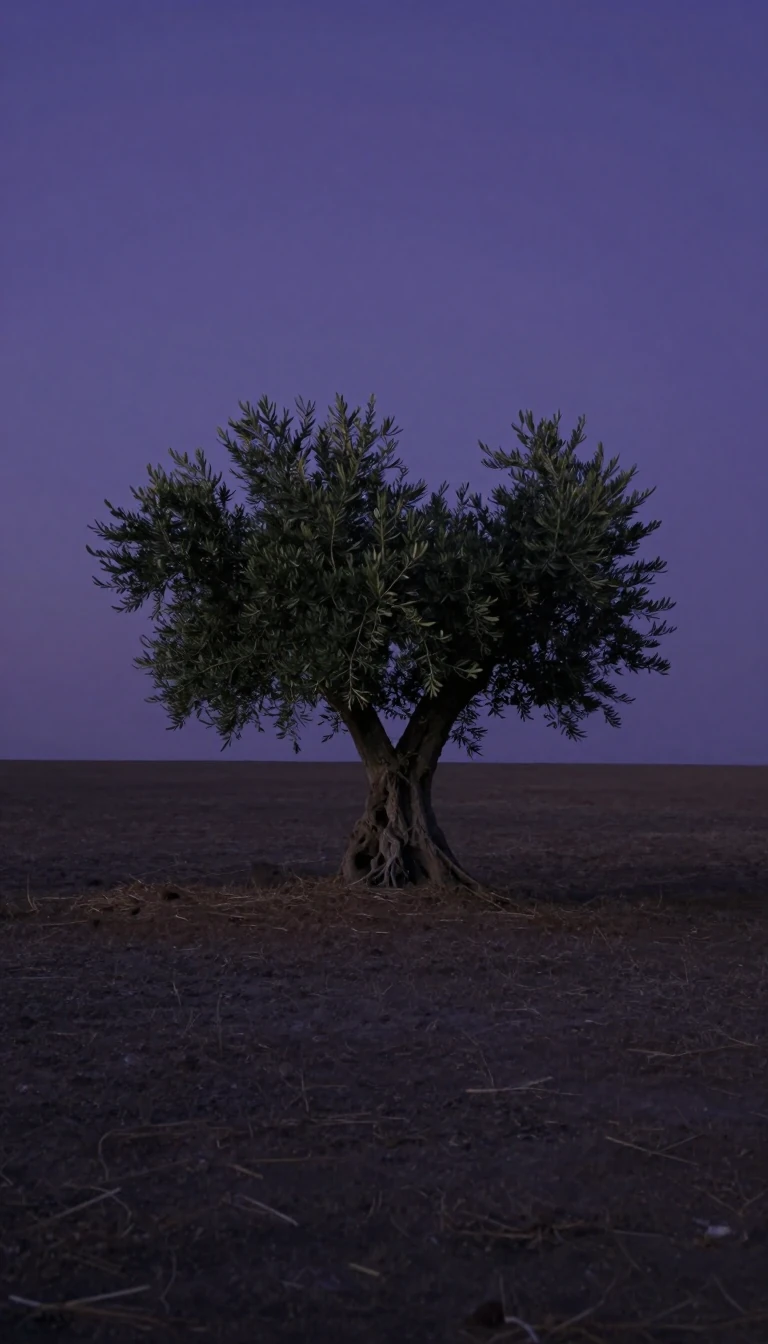 Why the color of unripe fruit became the definitive shade of modern warfareOlive is more than a dark yellowish-green. It is a cultural chameleon, shifting from the hue of raw wool to the standard of military camouflage. From the trenches of the twentieth…
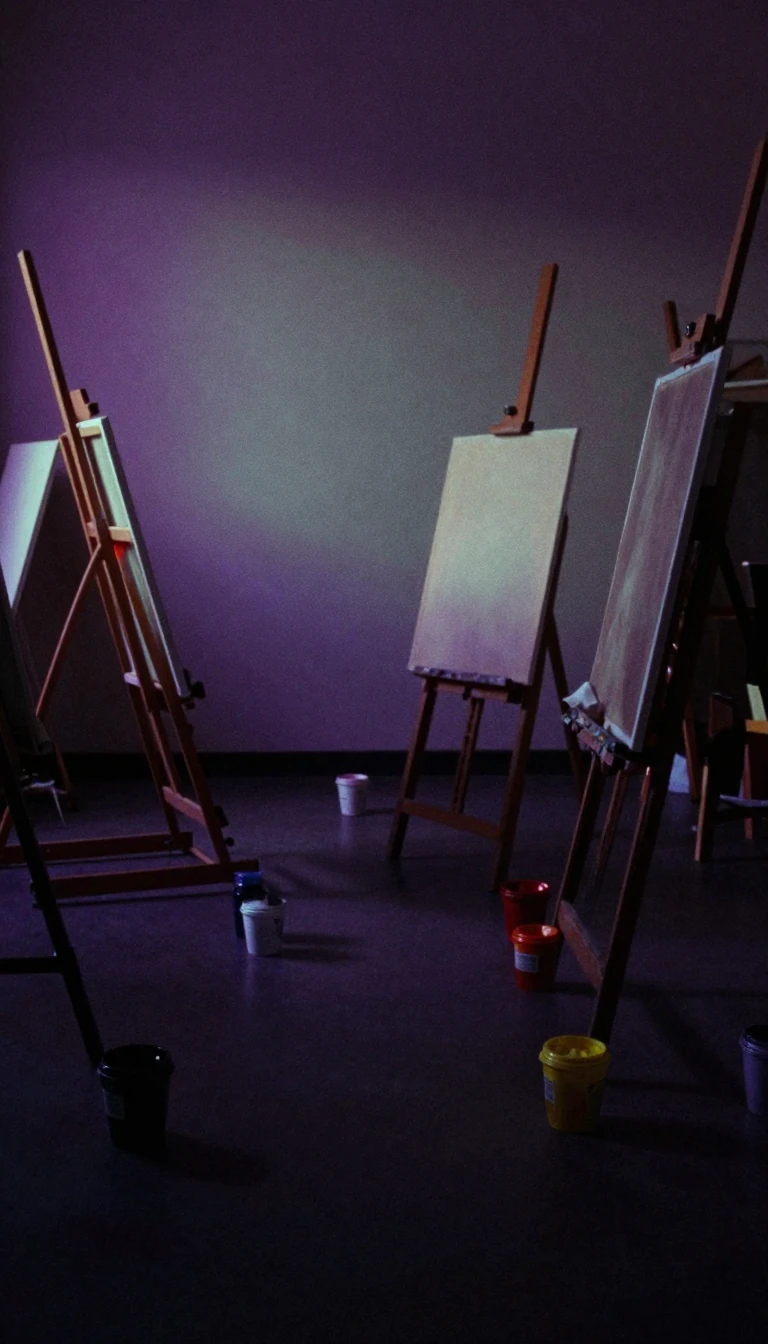 Why pastel colors are more than just a soft aesthetic for your homePastel colors are defined by high value and low saturation, creating a visual experience of calm and nostalgia. Beyond their soothing reputation, these hues have shaped design his…
- Why the RGBA color model is more complex than just four simple lettersYou might think RGBA is a straightforward way to define color and transparency, but it is actually a technical minefield. Because memory layouts and byte orders vary wildly betwee…
 Is rose a distinct color or just a bridge between red and magenta?Positioned at a precise 330-degree angle on the color wheel, rose occupies the vibrant middle ground between red and magenta. While often conflated with pink, this tertiary hue ho…
 Beyond the Gemstone: How Ruby Became a Spectrum of Red and PurpleRuby is more than just a precious stone; it is a complex color designation with a history spanning centuries. From its first recorded English usage in 1572 to modern industrial co…
- Why the traditional red, yellow, and blue color model persists in art educationFor centuries, artists have relied on the red, yellow, and blue color model to mix their palettes. While modern science considers this system obsolete in favor of more accurate li…
 Why does a single shade of yellow carry the weight of nations and gods?From the robes of Buddhist monks to the flag of modern India, saffron is far more than a pigment. It is a potent symbol of sacrifice, renunciation, and political identity. Yet, th…
- Secondary colors are not universal truths but depend entirely on your chosen mixing modelWe often learn that secondary colors are fixed, but they are merely the result of combining two primary colors within a specific system. Whether you are working with light or pigm…
 Why your screen can never truly display the color of polished silverSilver is more than a simple shade of gray; it is a metallic sensation defined by shifting light. Because digital screens lack the ability to render true metallic luster, they rel…
 Why the color spring green shifted from a yellow hue to a digital cyanThe color spring green has undergone a radical transformation. Once a warm, yellow-leaning shade first named in 1766, it was redefined in 1987 for modern computer systems. Today, …
 Why your screen displays colors exactly as HP and Microsoft intended in 1996The sRGB standard is the invisible backbone of the modern web, dictating how colors appear on your devices. Born from a collaboration between HP and Microsoft, this color space br…
- Why the color tan is inextricably linked to the ancient chemistry of leather productionTan is more than a simple pale brown. Its very name originates from the oak bark used in historical leather tanning processes. From its first recorded English usage in 1590 to its…
 Teal: How a Small Duck’s Head Became a Global Cultural and Political PhenomenonNamed after the Eurasian teal, this dark cyan hue has transcended its avian origins. From 1990s sports jerseys and Windows 95 wallpaper to modern political movements and cinematic…
 Why adding black or white to your paint rarely gives you the color you expectIn color theory, tinting and shading are more than just lightening or darkening a hue. While common language uses these terms interchangeably, mixing pigments with black or white …
 Why the color turquoise is named after a country that never produced itTurquoise is a vibrant cyan hue derived from a rare mineral, yet its name is a historical misnomer. While the word implies a Turkish origin, the stone actually traveled to Europe …
- Violet is a singular frequency of light, while purple is a complex human perception.Violet is not just a shade of purple. In physics, it is a pure, spectral color at the edge of human vision. Purple, by contrast, is a mental construct—a mixture of light frequenci…
 The secret history of the blue-green pigment that defined nineteenth-century artViridian, a deep blue-green pigment, emerged from the secretive workshops of mid-nineteenth-century Paris. While it became a staple for masters like Claude Monet, its path to the …
 The insect-derived dye that defined royalty and high nobilityFor centuries, the deep, purplish red of crimson was a visual shorthand for extreme wealth. Because it was derived from the bodies of scale insects, it became a luxury so exclusiv…
 Why your screen cannot actually show every color it claims to displayYour eyes rely on three types of cone cells to perceive color through long, medium, and short wavelengths. While RGB color spaces attempt to map these biological responses, many d…
- How a 1931 mathematical model defines the very colors we seeHuman vision is a complex biological process, yet we can map it using elegant mathematics. By combining experiments from a handful of observers, scientists created a standardized …
- The impossible color that exists outside the digital spectrumAmber is more than just a warm hue between yellow and orange. In the world of physics and engineering, it is a precise, high-chroma color that is so pure it cannot even be represe…