The man who invented a religion by 'discovering' a witch's gospel
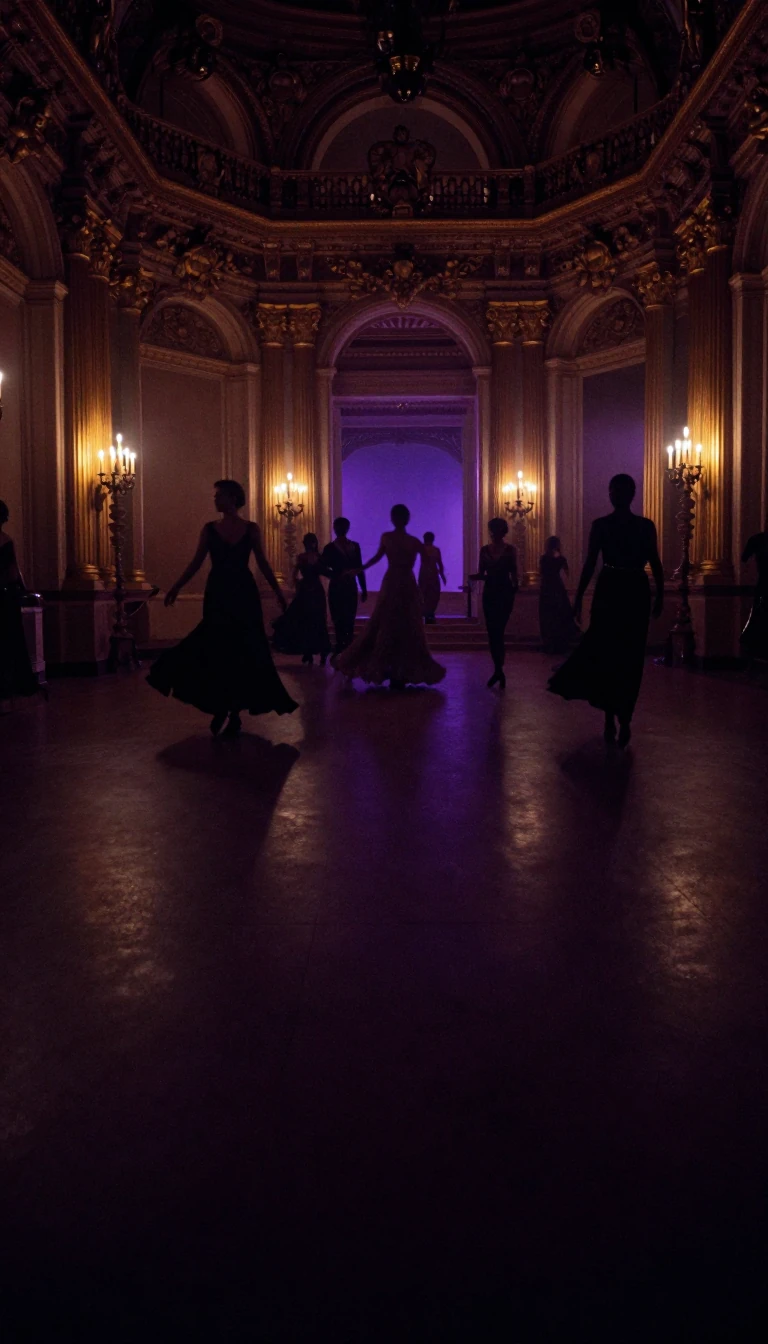
In short: Charles Godfrey Leland was a journalist, a revolutionary, and a pioneer of industrial art. Yet he is most famous for a book that shaped modern Neopaganism. By claiming to document a secret Italian witch religion, he created a foundational text that scholars today largely view as a sophisticated literary fabrication.
Born in 1824, Charles Godfrey Leland was a polymath of the 19th century. He was a soldier who fought at the barricades during the 1848 Revolutions in Paris and later served at the Battle of Gettysburg. His career spanned journalism, linguistics, and art education; he founded the Public School of Industrial Art in Philadelphia, a move so significant that Oscar Wilde predicted he would be a leader of the future. However, his most enduring legacy is his work in folklore and 'pagan' traditions.
In 1899, Leland published 'Aradia, or the Gospel of the Witches.' He claimed the text contained the traditional beliefs of Italian witchcraft, purportedly provided to him by a 'witch informant' named Maddalena. While the book became a primary source for Neopaganism and Wicca fifty years later, modern scholarship is skeptical. Ronald Hutton highlights the prevailing scholarly view that the text fails to depict an authentic Italian witchcraft faith. Researchers have yet to determine exactly how the text was written, though it is widely regarded as a work of fiction rather than ethnography.
Leland’s career was marked by a tendency to prioritize narrative over accuracy. He claimed to have discovered 'Shelta,' a 'fifth Celtic tongue' spoken by Irish Travellers, and he was found to have altered folk tales in his writings on Algonquian culture to support his theories linking them to the Norse. Despite these liberties, his influence remains profound. He was a pioneer of the Arts and Crafts movement and a prolific author whose life serves as a study in how personal mythology can shape cultural reality.
Leland's fascination with the occult began in childhood. He recounted a ritual performed by a Dutch nurse involving a Bible, a key, a knife, and salt to ensure he would become a 'scholar and a wizard.' This early 'foreshadowing' of his interests in Hermeticism and folk magic eventually led him to become the president of the English Gypsy Lore Society in 1888, cementing his role as a curator of the world's hidden traditions.
Opens the Intellect+ feed with this card first. Swipe up for the next one.
Sources
- Summary by Intellect · source: Charles Godfrey Leland
To cite this card, link to https://intellectplus.co.uk/app/science-charles-godfrey-leland.
How we source, check and correct cards: Editorial standards.
General information, not professional advice. Spotted an error? Flag the card or see corrections and complaints.
Intellect Plus is a visual educational discovery platform for exploring fascinating facts and ideas. Brain Food, Not Brain Rot. What is Intellect Plus?
Related
More in Social scientists · More in Science · Latest · A–Z · All topics
