Britain's oldest modern human was a blue-eyed hunter-gatherer with dark skin
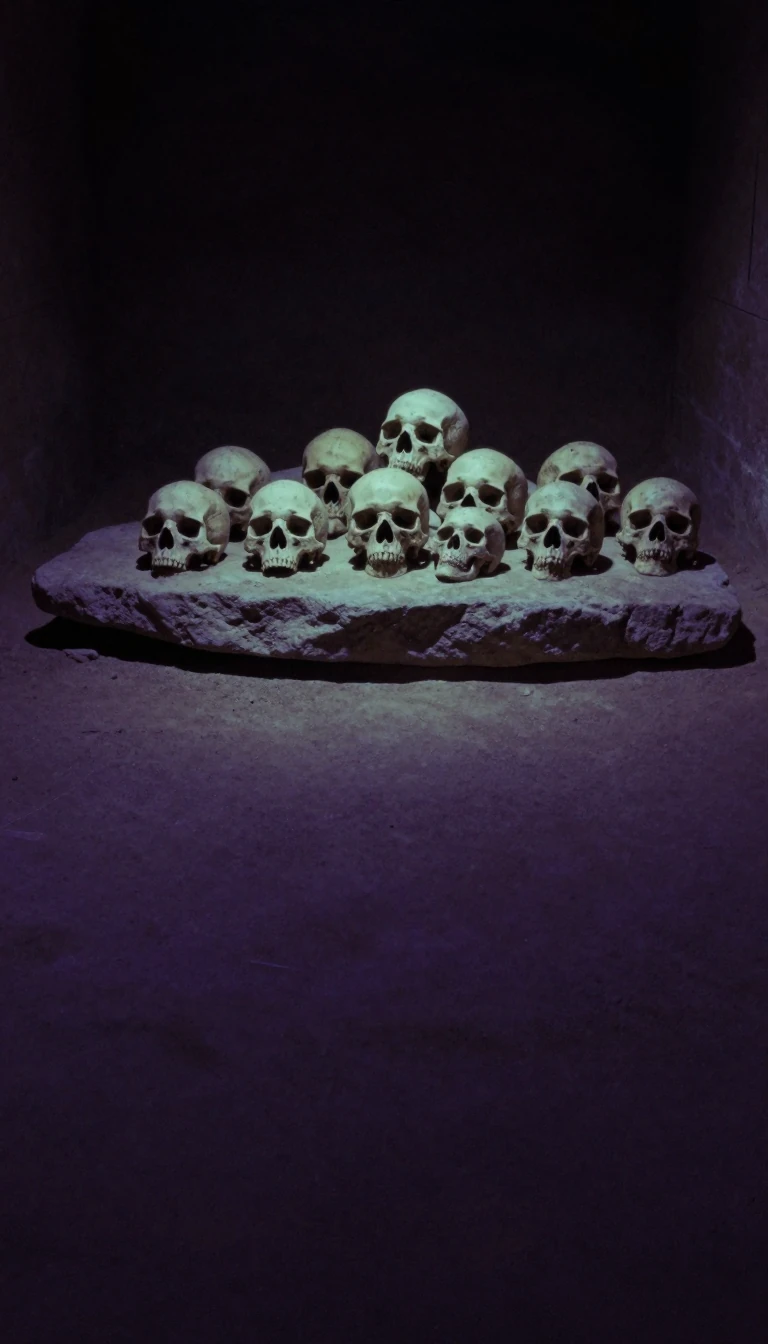
In short: Discovered in 1903 at Gough's Cave, Cheddar Man is the oldest nearly complete skeleton of our species ever found in Britain. Genetic analysis has shattered long-held assumptions about early European appearance, revealing a man who lived 10,000 years ago with a combination of traits that defy modern expectations.
Cheddar Man lived during the Mesolithic period, roughly 10,000 years ago, when Britain was still physically connected to continental Europe. He was a hunter-gatherer, likely subsisting on red deer, aurochs, and freshwater fish. While he was once thought to be a much older inhabitant of the region, radiocarbon dating from the 1970s onwards confirmed his Mesolithic origins. He stood approximately 166 centimetres tall and died in his twenties, though the exact cause of his death remains unclear.
The most striking revelation came from ancient DNA extracted from his petrous bone, the densest part of the human skull. Scientists discovered that Cheddar Man possessed genetic markers for dark skin pigmentation, typically associated with sub-Saharan African populations, paired with striking blue or green eyes and dark brown hair. This finding challenges the traditional assumption that early humans in Europe rapidly evolved pale skin to absorb more UV light and prevent vitamin D deficiency. Instead, it suggests that pale skin and blond hair arrived much later, likely with the advent of farming.
Cheddar Man's burial is also a point of intrigue. Unlike the communal burials common in the Mesolithic era, such as those found at the nearby Aveline's Hole, he was discovered alone. It remains uncertain whether he was intentionally buried or simply covered by natural mineral deposits over time. His existence serves as a powerful reminder that the genetic traits we associate with specific groups today are not fixed, and that our ancestors' appearances were far more diverse than modern stereotypes suggest. He represents a population that dominated Western Europe before being largely replaced by Neolithic farmers around 4000 BC.
The process of uncovering these secrets was painstaking. Because DNA degrades rapidly after death, the cool, stable environment of Gough's Cave was essential for preservation. By shifting focus to the petrous bone, researchers were able to bypass the limitations of more fragile skeletal remains. This work highlights how modern science can reconstruct the lives of individuals who left no written records, forcing us to reconsider our own history and the fluid nature of human evolution.
Opens the Intellect+ feed with this card first. Swipe up for the next one.
Sources
- Summary by Intellect · source: Cheddar Man: Mesolithic Britain's blue-eyed boy | Natural History Museum
- Also: Cheddar Man
To cite this card, link to https://intellectplus.co.uk/app/science-cheddar-man.
How we source, check and correct cards: Editorial standards.
General information, not professional advice. Spotted an error? Flag the card or see corrections and complaints.
Intellect Plus is a visual educational discovery platform for exploring fascinating facts and ideas. Brain Food, Not Brain Rot. What is Intellect Plus?
Related
More in Human body & genes · More in Science · Latest · A–Z · All topics
