Was the Broken Hill skull the key to understanding our complex human ancestry?
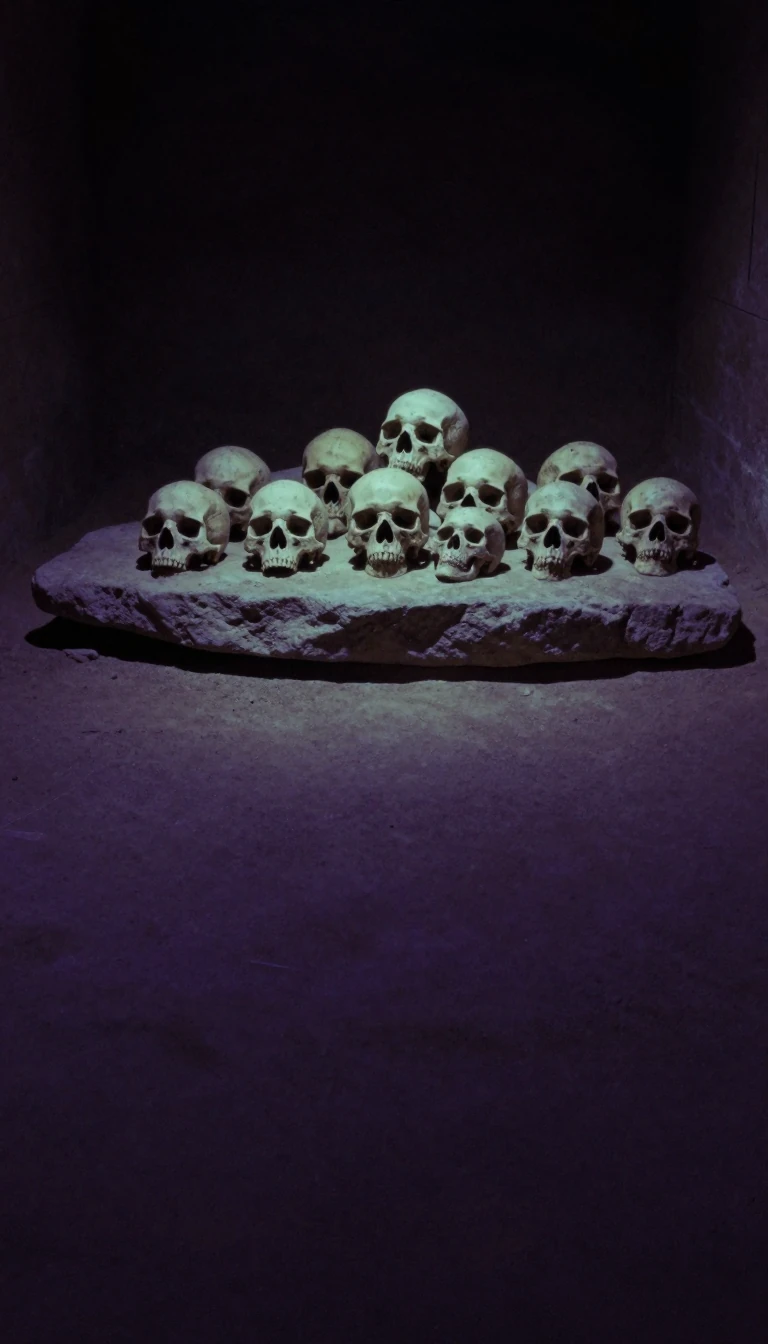
In short: The discovery of a hominin skull in a Zambian lead mine in 1921 sparked a century of debate. Once classified as a distinct species, this fossil now sits at the center of a complex puzzle regarding the multiple lineages of ancient humans that inhabited Africa during the Middle Pleistocene.
The Broken Hill skull, also known as Kabwe 1, was recovered from a kopje of zinc and lead ores in Northern Rhodesia, now Zambia. When Arthur Smith Woodward first described the specimen in 1921, he proposed the name Homo rhodesiensis to classify it. For decades, researchers have scrutinized the skull alongside other fossils found across the African continent, including specimens from Bodo in Ethiopia and Ndutu in Tanzania. These findings have forced paleoanthropologists to reconsider the timing and diversity of human evolution.
Recent scientific analysis has refined the dating of the Broken Hill skull, placing it in the later Middle Pleistocene. This updated timeline confirms that Africa was home to at least three distinct hominin lineages during this era. While some researchers have historically grouped these fossils under Homo heidelbergensis, the morphological variation among them remains a subject of intense study. The presence of these diverse groups suggests that the path to modern humans was not a simple, linear progression but a complex, branching process.
The significance of the Broken Hill site extends beyond the cranium itself. Excavations have uncovered stone implements, worked bone pieces, and various animal remains, providing a glimpse into the environment and capabilities of these early hominins. As researchers continue to apply advanced dating techniques, such as uranium-series analysis, the narrative of our origins becomes increasingly nuanced. The ongoing debate over whether to retain the designation of Homo rhodesiensis or fold it into broader categories reflects the broader challenge of mapping the intricate history of our species.
Opens the Intellect+ feed with this card first. Swipe up for the next one.
Sources
- Summary by Intellect · source: Dating the skull from Broken Hill, Zambia, and its position in human evolution - Nature
- Also: Homo rhodesiensis
To cite this card, link to https://intellectplus.co.uk/app/nature-homo-rhodesiensis.
How we source, check and correct cards: Editorial standards.
General information, not professional advice. Spotted an error? Flag the card or see corrections and complaints.
Intellect Plus is a visual educational discovery platform for exploring fascinating facts and ideas. Brain Food, Not Brain Rot. What is Intellect Plus?
Related
More in Vertebrates · More in Nature · Latest · A–Z · All topics
