Trapped in ice: the crystalline cages that hold vast amounts of Earth's energy
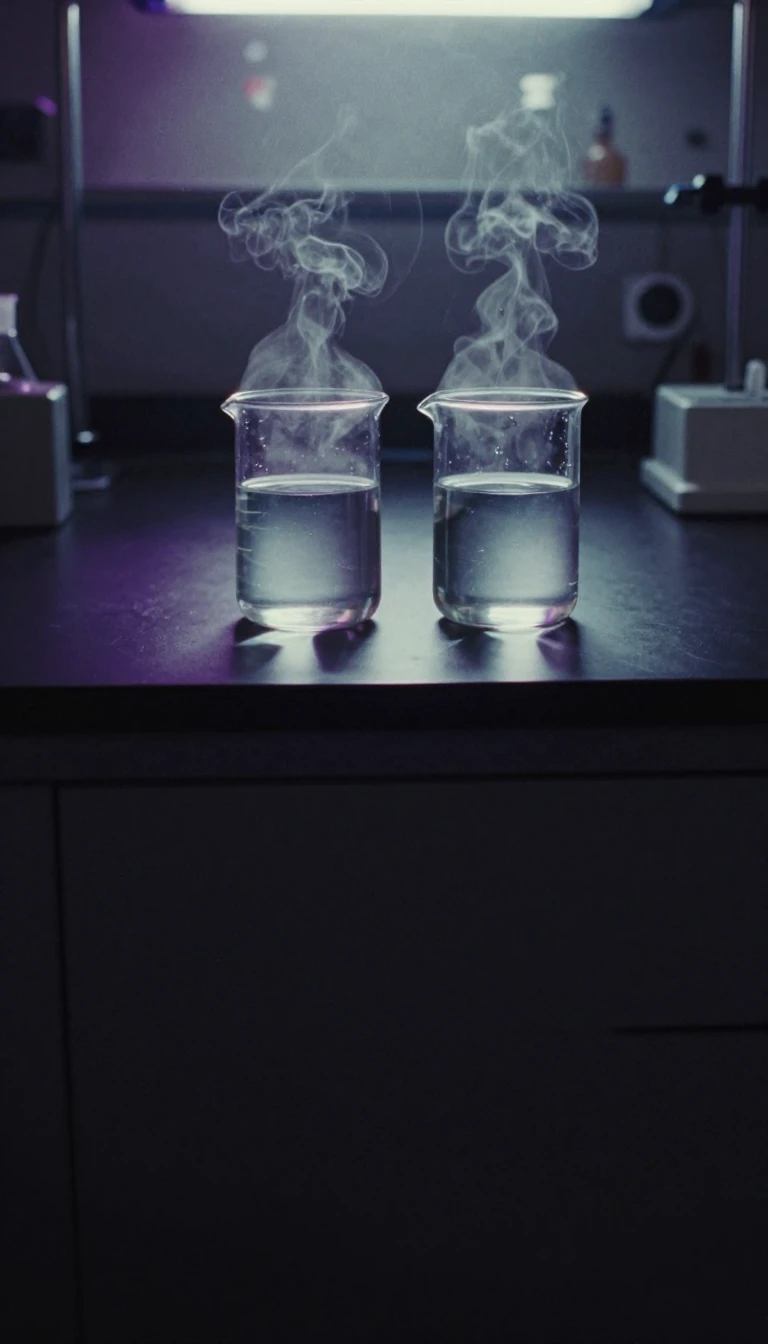
In short: Deep beneath the ocean floor and frozen permafrost lie crystalline structures known as clathrates. These unique compounds consist of gas molecules locked inside a lattice of water, forming a cage-like framework. Scientists believe these formations contain more fuel than all the world's coal, oil, and natural gas reserves combined.
Clathrates are a fascinating class of inclusion compounds where a host lattice creates a cage that traps a guest molecule. In the case of clathrate hydrates, also known as gas hydrates, water molecules form hydrogen-bonded frameworks at low temperatures and high pressures. These structures are not traditional chemical bonds; instead, the guest molecules—such as methane, ethane, or carbon dioxide—are held within these cavities by weak interactions. Without the presence of these guest species to stabilize the structure, the water framework would typically collapse into ordinary ice or liquid water.
The discovery of these compounds dates back to 1810, when Humphry Davy observed that chlorine gas could combine with water to form a solid. Since then, researchers have mapped the complex thermodynamics of these materials. We now know that methane hydrates are abundant in marine sediments and permafrost. Because methane is a potent greenhouse gas, there is significant concern that climate change could trigger the breakdown of these hydrates, potentially releasing massive quantities of gas into the atmosphere and further accelerating global warming.
Beyond their role in the carbon cycle, clathrates are a subject of intense study for their unique physical properties. Inorganic clathrates, which use frameworks made of elements like silicon or germanium, exhibit low thermal conductivity. This is often attributed to the 'rattling' motion of guest atoms within their oversized cages, a phenomenon that makes these materials promising candidates for thermoelectric applications. Whether in the form of naturally occurring gas hydrates or synthetic inorganic frameworks, clathrates demonstrate how the arrangement of atoms can create materials with extraordinary potential for energy storage and advanced technology.
Opens the Intellect+ feed with this card first. Swipe up for the next one.
Sources
- Summary by Intellect · source: Clathrate | chemical compound | Britannica
- Also: Clathrate compound
To cite this card, link to https://intellectplus.co.uk/app/science-clathrate-compound.
How we source, check and correct cards: Editorial standards.
General information, not professional advice. Spotted an error? Flag the card or see corrections and complaints.
Intellect Plus is a visual educational discovery platform for exploring fascinating facts and ideas. Brain Food, Not Brain Rot. What is Intellect Plus?
Related
More in Theory · More in Science · Latest · A–Z · All topics
