Why your kitchen measurements are a 4,000-year-old relic of ancient Egyptian math
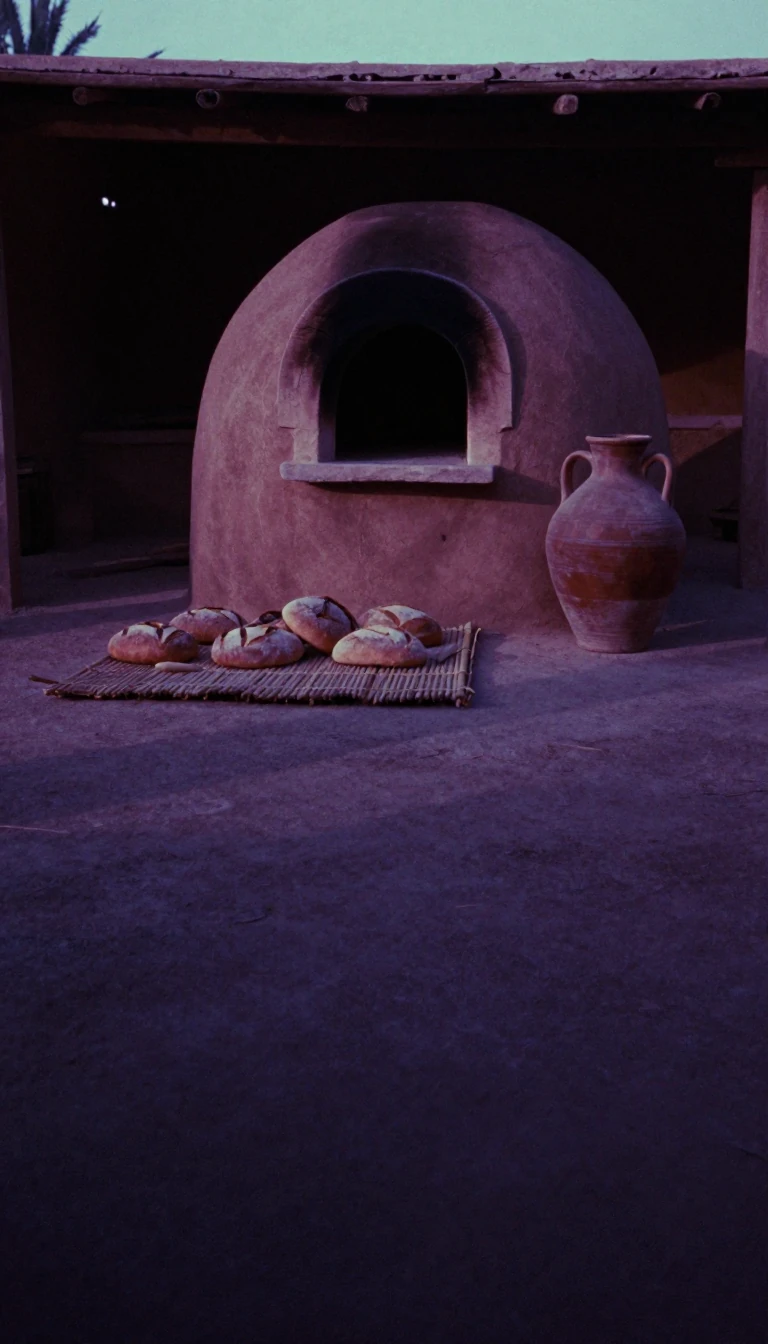
In short: Cooking measurements are rarely as precise as they seem. While modern recipes rely on standardized cups and spoons, these tools are often inconsistent across borders. The system of binary submultiples we use today—repeatedly halving units—traces back to the ancient Egyptians, who were dividing volumes thousands of years ago.
For most of culinary history, precision was an afterthought. Cookbooks relied on vague descriptors like a "pinch," a "hint," or a piece of butter the size of an apricot. It was not until 1896 that Fannie Farmer introduced exact volume-based measurements in her Boston Cooking-School Cook Book, attempting to bring order to the chaos of home kitchens. Today, the world is split: most countries use the metric system, weighing dry ingredients in grams, while North America remains committed to volume-based measurements like cups and tablespoons.
The logic behind these customary units is rooted in the "binary submultiple" system, where each measure is derived by dividing the previous one by two. This method is remarkably ancient; it can be traced to the Fifth Dynasty of Egypt, between 2494 and 2345 BC. The Egyptians used this system to subdivide the hekat, a unit of about 4.8 litres, into fractions like 1/2, 1/4, and 1/64. This means the fundamental structure of many modern kitchen measurements has been in use for at least 4,300 years.
Despite this long history, standardization is a recent and incomplete project. A "cup" in Canada, the UK, and the US can refer to different volumes, and even a simple teaspoon can vary based on whether it is a culinary tool or a medical reference. Because these units were historically based on household items rather than scientific standards, they often lack statutory definitions. Even today, the actual volume of a measuring utensil can deviate from its intended capacity, leading to discrepancies that are usually ignored by home cooks but can be significant in precise applications like medicine.
The shift toward accuracy is driven by technology and global trade. Electronic scales now allow cooks to weigh liquids—where 1 mL of water equals 1 gram—bypassing the inaccuracy of volumetric utensils. While some regions have legally standardized their tools, such as Australia’s 1970 move to metric units, the persistence of traditional, variable measures remains a testament to how deeply ingrained these ancient, convenient approximations are in our daily lives.
Opens the Intellect+ feed with this card first. Swipe up for the next one.
Sources
- Summary by Intellect · source: Cooking weights and measures
To cite this card, link to https://intellectplus.co.uk/app/science-cooking-weights-and-measures.
How we source, check and correct cards: Editorial standards.
General information, not professional advice. Spotted an error? Flag the card or see corrections and complaints.
Intellect Plus is a visual educational discovery platform for exploring fascinating facts and ideas. Brain Food, Not Brain Rot. What is Intellect Plus?
Related
More in Measurement · More in Science · Latest · A–Z · All topics
