Why the humble kitchen cup is one of the world's most inconsistent measurements
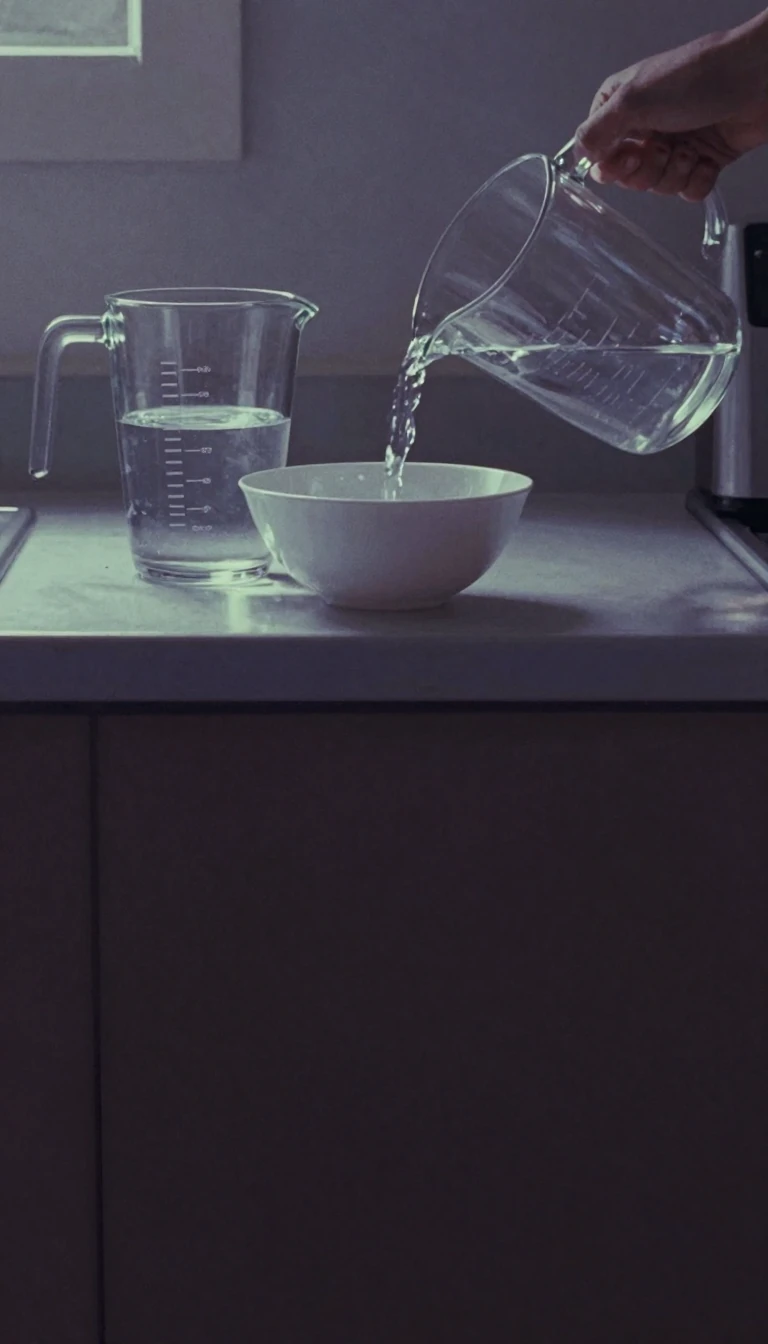
In short: A cup is rarely just a cup. From the 240-millilitre US legal standard to the 180-millilitre Japanese gō, this kitchen staple varies wildly across borders and history. Understanding these discrepancies reveals how cultural habits and regional traditions have long dictated the way we measure our most essential ingredients.
The cup is a ubiquitous culinary volume, yet it lacks a universal definition. In the United States, the customary cup is defined as half a liquid pint, or approximately 236.6 millilitres. However, for nutrition labelling, US law mandates a 'legal cup' of 240 millilitres. Meanwhile, countries like Australia, Canada, and New Zealand have adopted a 250-millilitre metric cup. These variations are not merely academic; they reflect a global landscape where 'a cup' can range from 150 millilitres in the Netherlands to 200 millilitres in parts of Latin America.
Historical context further complicates the measure. Before widespread metrication, British recipes often relied on imprecise vessels like tumblers or wine glasses, which lacked standardized volumes. Older texts, such as the 1894 book 'Enquire Within Upon Everything', suggest a cup typically held about 6 imperial fluid ounces. Similarly, traditional Japanese measurements like the gō—roughly 180.4 millilitres—continue to influence the size of cups included with modern rice cookers globally. Even Russia historically utilized two distinct sizes: the charka for alcohol and the larger stakan for other liquids.
These inconsistencies highlight a fundamental divide in culinary philosophy. While American recipes frequently rely on volume-based measurements, many European kitchens prioritize weight, specifying ingredients in grams to ensure precision. Because volume depends on the density of the ingredient, converting between the two requires careful calculation. Consequently, modern measuring tools often feature dual markings to bridge this gap, reflecting a world where the simple act of measuring remains deeply tethered to regional legacy and practical necessity.
Opens the Intellect+ feed with this card first. Swipe up for the next one.
Sources
- Summary by Intellect · source: Cup (unit)
To cite this card, link to https://intellectplus.co.uk/app/science-cup-unit.
How we source, check and correct cards: Editorial standards.
General information, not professional advice. Spotted an error? Flag the card or see corrections and complaints.
Intellect Plus is a visual educational discovery platform for exploring fascinating facts and ideas. Brain Food, Not Brain Rot. What is Intellect Plus?
Related
More in Measurement · More in Science · Latest · A–Z · All topics
