Creosote: The smoky preservative that evolved from a meat cure to industrial timber treatment.
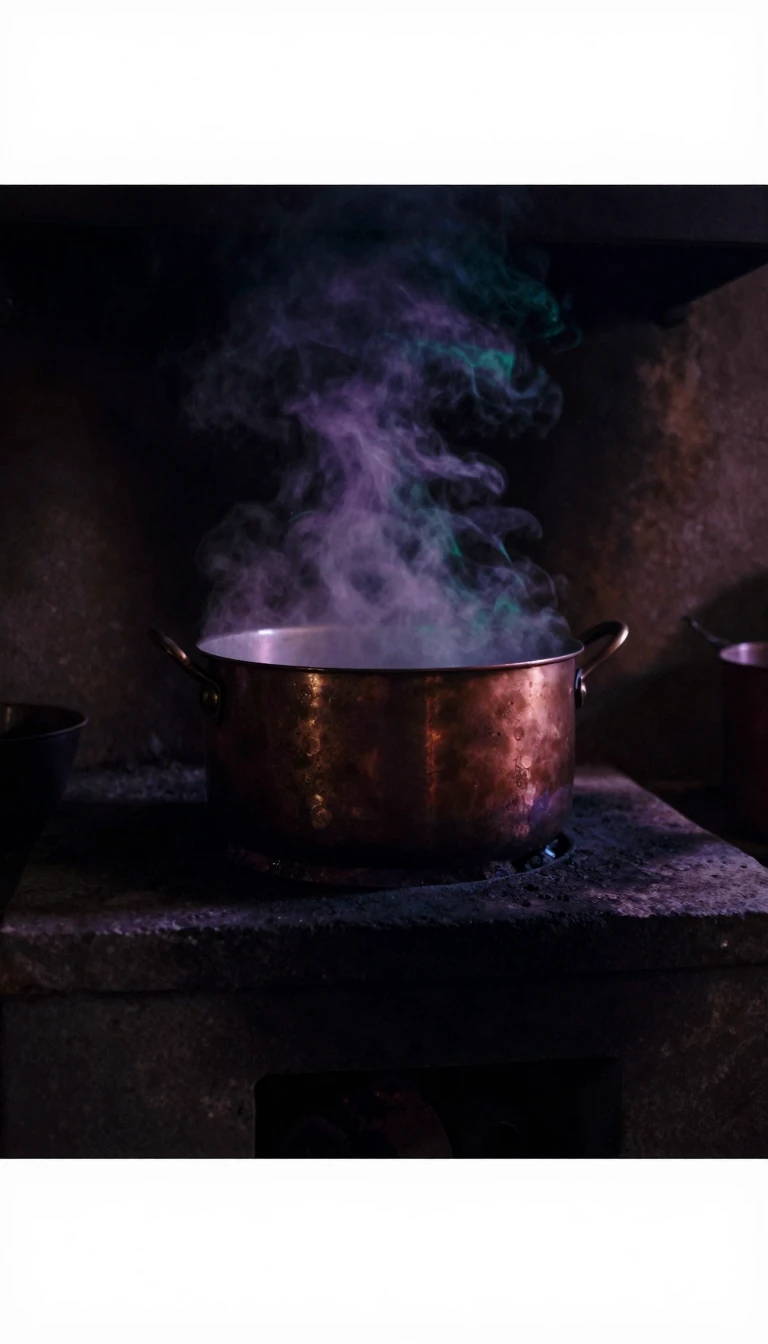
In short: Derived from wood or coal tar, creosote has a dual identity. Historically, it was a medical panacea and a culinary staple for smoking meat. Today, it is a strictly regulated industrial preservative, essential for protecting infrastructure like railroad ties and utility poles from the relentless forces of rot and decay.
The story of creosote begins in 1832 with Carl Reichenbach, who isolated the substance from beechwood tar. Observing its ability to preserve meat without putrefaction while imparting a smoky flavor, he concluded it was the active antiseptic component in smoke. This discovery sparked a 19th-century medical obsession; for decades, physicians prescribed creosote as a cure-all for ailments ranging from tuberculosis to toothaches. It was even sold in pharmacies as Aqua creosoti, though many of these early medicinal claims were later debunked.
Chemically, creosote is a complex mixture of phenol derivatives. Wood-tar creosote relies on guaiacol and creosol, which allow for preservation without damaging tissue, making it suitable for medical ointments and food. In contrast, coal-tar creosote—the industry standard today—is a darker, more toxic mixture of aromatic hydrocarbons like naphthalene and anthracene. While wood-tar creosote is still found in some modern products like the Japanese anti-diarrheal Seirogan or the cough syrup Creomulsion, coal-tar creosote is now reserved for heavy-duty wood preservation.
The industrialization of coal-tar creosote began in 1838 with John Bethell’s pressure-treatment patent. By 1890, the United Kingdom was producing nearly 30 million gallons annually. Today, the EPA strictly regulates its use, mandating that it be applied only via pressure processes under professional supervision. While the substance has been replaced in medicine by safer alternatives—such as guaifenesin, a synthetic derivative used in common expectorants—its role in maintaining the structural integrity of global infrastructure remains unmatched.
Opens the Intellect+ feed with this card first. Swipe up for the next one.
Sources
- Summary by Intellect · source: Creosote
To cite this card, link to https://intellectplus.co.uk/app/science-creosote.
How we source, check and correct cards: Editorial standards.
General information, not professional advice. Spotted an error? Flag the card or see corrections and complaints.
Intellect Plus is a visual educational discovery platform for exploring fascinating facts and ideas. Brain Food, Not Brain Rot. What is Intellect Plus?
Related
More in Organic compounds · More in Science · Latest · A–Z · All topics
