 Intellect Plus
Organic compounds
107 cards. Each one is a 40-second story with a five-minute read behind it.
 The structural secrets defining the world of organic hydrocarbonsWhy do some carbon chains behave differently than others? This tutorial breaks down the fundamental classifications of hydrocarbons, from the simple straight chains of alkanes to …
 Why some carbon molecules aren't considered organicCarbon is the backbone of life, but not every carbon-based molecule belongs to the biological world. While carbohydrates and proteins are quintessential organic compounds, certain…
 Decoding the Universal Language of Organic ChemistryLearn the systematic logic behind naming organic compounds. This tutorial breaks down the IUPAC rules for alkanes, moving from basic structures to complex chains.
 The architecture of carbon: how organic chemistry is organizedThis rapid revision session by MS Chouhan breaks down the fundamental ways scientists categorize organic compounds. It is designed to provide a clear, high-speed overview of chemi…
 Why identical atoms can create different shapes and behaviorsIn organic chemistry, molecules with the same formula can have vastly different structures. This video breaks down the nuances of stereochemistry, teaching you how to distinguish …
 Mastering Organic Chemistry: A Mindset for Exam SuccessNaming organic compounds is a fundamental pillar of chemistry. This video provides a strategic guide to mastering these naming conventions, specifically tailored to help students …
 Decoding the Language of Organic ChemistryOrganic chemistry often feels like learning a foreign language rather than a science. This video breaks down the foundational concepts and provides practical tricks to master skel…
 The four chemical building blocks that define all life on EarthFrom the energy in your food to the instructions in your DNA, organic compounds are the fundamental molecules of existence. This video breaks down the four primary types that make…
 Chemical waves that mimic life: the Belousov–Zhabotinsky reactionHow does a liquid spontaneously organize into expanding spirals and concentric rings? The Belousov–Zhabotinsky reaction creates complex patterns from simple chemicals, moving far …
 The first woman to lead Scotland's budget and a high-stakes leadership bidKate Forbes broke historical ground as the first woman to deliver a Scottish budget. However, her rise to the top of the Scottish National Party was marked by a complex intersecti…
 The Inland Empire: A region defined by shifting borders and diverse climatesThe Inland Northwest is more than a geographic location; it is a contested identity. From the arid Columbia Plateau to the lush temperate rainforests of the North Central Rockies,…
 The rise and dissolution of Europe's most prominent Eurosceptic blocIn the halls of the European Parliament, one group championed the radical idea of dismantling the Union itself. From its populist roots to its eventual collapse, the Europe of Fre…
 From a 17th-century mansion to a hub of modern chemistryBurlington House is more than a historic landmark; it is a living laboratory of cultural and scientific evolution. Once a private aristocratic seat, it now houses the Royal Societ…
 A different mechanism for sleep: blocking the wakefulness signals of your brainMost sleep aids work by sedating the central nervous system, but suvorexant takes a different path. Instead of forcing the brain to shut down, it blocks specific receptors that ke…
 Can a kitchen pantry fuel a journey into the stratosphere?Rocket candy sounds like a confection, but it is a potent propellant capable of pushing aircraft past Mach 2. By combining common household items like sugar and stump remover, ama…
- Your body maintains a delicate chemical balance by filtering millions of tiny unitsTo survive, your body must constantly purge metabolic waste while retaining essential nutrients. This isn't just a plumbing job; it is a high-precision homeostatic feat. Your kidn…
- The chemical switch that controls your body's rest-and-digest modeYour body operates on a constant stream of chemical messages. One specific neurotransmitter, acetylcholine, acts as a primary messenger for your parasympathetic nervous system. By…
 Why your fuel's energy value depends on whether water stays steamNot all heat is usable. When you burn fuel, the difference between the total energy released and the energy you can actually capture often comes down to a single phase change: whe…
 The molecular brakes that keep your cells from spinning out of controlLife depends on enzymes—proteins that act as biological catalysts to speed up essential reactions. But if these catalysts ran wild, they could destroy a cell. To prevent chaos, yo…
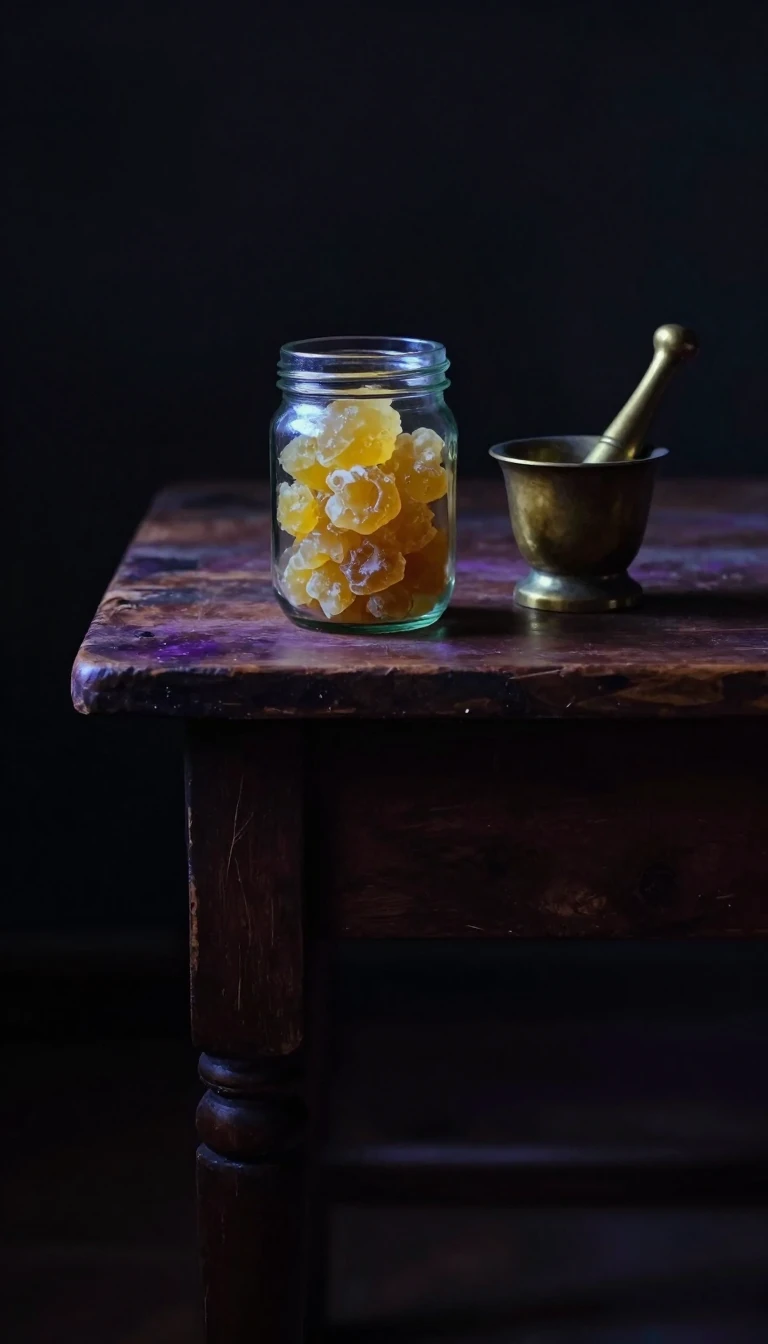 The spice once more valuable than gold was a medicinal marvelCinnamon is more than a kitchen staple; it is a botanical powerhouse with a history of luxury and healing. From ancient Egyptian embalming to the most profitable spice of the Dutc…
 Why the simplest alkyne is a high-energy building block for modern chemistryAcetylene is a volatile, energy-dense gas defined by a unique carbon-carbon triple bond. While once a primary industrial feedstock for everything from lighting to plastics, its ro…
- Adamantane is a molecular mimic of diamond that hides in plain sight within petroleum.This rigid, cage-like hydrocarbon shares the exact spatial arrangement of carbon atoms found in a diamond crystal. Though it was first isolated from oil in 1933, it remained a lab…
 Why the geometry of carbon rings determines the stability of alicyclic compoundsAlicyclic compounds are organic molecules defined by their carbon rings, which can be saturated or unsaturated but never aromatic. While they range from simple monocyclic structur…
 Aliphatic compounds are the versatile, nonaromatic building blocks of the natural and synthetic world.Derived from the Greek word for fat, aliphatic compounds form a massive class of organic molecules defined by their nonaromatic structures. From the methane in your stove to the p…
 The pungent chemical in your mustard is a potent, natural defense mechanism against herbivores.Allyl isothiocyanate is the reason horseradish and wasabi sting your nose. While humans have learned to enjoy this bite, plants produce it as a sophisticated chemical weapon. By k…
 The vibrant pigments in your fruit are actually a sophisticated plant survival mechanism.Anthocyanins are responsible for the deep reds, purples, and blues in your favorite produce. Beyond their aesthetic appeal, these water-soluble pigments act as a protective shield…
 The hidden pigments painting our world in shades of ivory, yellow, and orangeWhile red and purple autumn leaves grab the spotlight, a quieter class of pigments works in the background. Anthoxanthins, a diverse group of water-soluble flavonoids, provide the…
- Why some molecules are so unstable they actively avoid their own chemical identityIn chemistry, aromaticity brings stability, but its opposite, antiaromaticity, creates volatile, highly reactive molecules. To escape this inherent instability, many compounds phy…
 How chemists map the architecture of aromatic rings using ancient Greek prefixesIn organic chemistry, the arrangement of substituents on an aromatic hydrocarbon is not random. By using specific substitution patterns—ortho, meta, and para—chemists can predict …
 From 16th-century gum to modern industrial staple, benzoic acid is everywhere.Benzoic acid is a simple organic compound with a surprisingly long history. Once derived solely from aromatic gum benzoin, this white crystalline solid now serves as a vital indus…
 Carbon tetrafluoride is an incredibly stable gas with a surprisingly long atmospheric lifespan.Known as tetrafluoromethane or R-14, this colorless, odorless gas is a powerhouse of chemical stability. While it serves as a useful refrigerant and plasma etchant in electronics,…
- The carbonyl group is the invisible engine driving modern chemistry and industrial production.At the heart of countless organic compounds lies a simple, divalent unit: a carbon atom double-bonded to an oxygen. This structure, the carbonyl group, is highly polar and chemica…
- Why your nose can distinguish between two identical chemical mirror imagesCarvone exists as two mirror-image molecules, yet our noses perceive them as entirely different scents. One smells like spicy caraway, the other like cooling spearmint. This biolo…
 The waxy substance in your lotion was first discovered inside a sperm whale.Cetyl alcohol is a staple of modern skincare, prized for its ability to stabilize lotions and smooth our skin. Yet, this common organic compound has a surprising history. It was f…
 This pale yellow liquid is the secret behind the world's most recognizable citrus scent.Citral is a powerful aromatic compound found in various plant essential oils, carrying a sharp, unmistakable lemon fragrance. Beyond its role in perfumes and food flavorings, this…
- Citronellal is the aromatic engine behind the sharp, refreshing scent of lemon-scented plants.This monoterpenoid aldehyde defines the signature fragrance of citronella oil and kaffir lime leaves. Beyond its intense lemon-rose aroma, this versatile organic compound exhibits…
- Coal tar is a toxic byproduct that built the modern chemical industry.Derived from the high-heat carbonization of coal, this viscous black liquid is both a vital source of industrial chemicals and a potent carcinogen. While it once fueled the rise o…
 Creosote: The smoky preservative that evolved from a meat cure to industrial timber treatment.Derived from wood or coal tar, creosote has a dual identity. Historically, it was a medical panacea and a culinary staple for smoking meat. Today, it is a strictly regulated indus…
 Why this simple five-carbon ring is the secret to your refrigerator's efficiencyCyclopentane is a colorless, petroleum-scented liquid that hides in plain sight. While you might not recognize the name, this alicyclic hydrocarbon is the essential blowing agent …
 How to calculate the hidden rings and bonds within any organic moleculeEver wonder how chemists decode the complex architecture of an organic molecule just from its formula? The degree of unsaturation is a powerful mathematical tool that reveals the …
- Diols are the versatile chemical building blocks hiding in your antifreeze and plasticsDefined by the presence of two hydroxyl groups, diols are essential in organic synthesis. From the common ethylene glycol used in antifreeze to the complex structures found in nat…
 Dodecanol is a versatile fatty alcohol that transforms from crystal to liquid at room temperature.Known by many names, including lauryl alcohol, this colorless substance is a staple of industrial chemistry. While it appears as a solid in cooler environments, it melts into a th…
 Why the elusive enol is the secret engine behind life's most vital chemical reactionsEnols are fleeting chemical chameleons, rarely stable enough to be detected, yet they drive the essential machinery of life. By shifting between keto and enol forms, these molecul…
 The strained three-atom ring that powers everything from industrial glues to biological signalingEpoxides are cyclic ethers defined by a highly strained, three-atom ring of two carbons and one oxygen. This structural tension makes them exceptionally reactive, serving as essen…
 Is your favorite sugar-free sweetener actually a hidden risk for your heart health?Erythritol is a staple in keto and diet foods, prized for its sugar-like texture and zero calories. While regulators long deemed it safe, recent research suggests a more concernin…
 This sweet-smelling solvent is the secret behind your morning coffee and your wine's fruitiness.Ethyl acetate is a ubiquitous organic compound, prized for its low cost and pleasant, fruity aroma. Beyond its role as a common industrial solvent in paints and glues, it plays a …
- The spicy compound in your kitchen cupboard is a versatile, potent chemical powerhouse.Eugenol, the aromatic molecule defining the scent of cloves, is far more than a culinary spice. Recognized as safe by global health authorities, this phenolic monoterpenoid is a h…
- Fatty alcohols are essential industrial building blocks, not to be confused with drinking alcohol.While the term alcohol often brings to mind the beverage that causes liver disease, fatty alcohols are a distinct class of long-chain molecules. These waxy, oily substances are vi…
- How a failed chemistry experiment accidentally birthed the modern era of organometallic scienceIn 1951, researchers trying to synthesize a simple hydrocarbon stumbled upon a strange, orange powder that defied existing chemical rules. This substance, ferrocene, featured a ce…
 Are these vibrant plant pigments the secret to a longer, healthier life?Flavonoids are the natural dyes behind the brilliant colors of your favorite fruits and flowers. While they are not essential nutrients like protein, these plant compounds are bei…
- Why the strongest bond in organic chemistry creates both miracle materials and greenhouse gases.Fluorocarbons are chemical compounds defined by carbon-fluorine bonds, which are among the strongest in organic chemistry. This unique stability makes them invaluable for high-per…
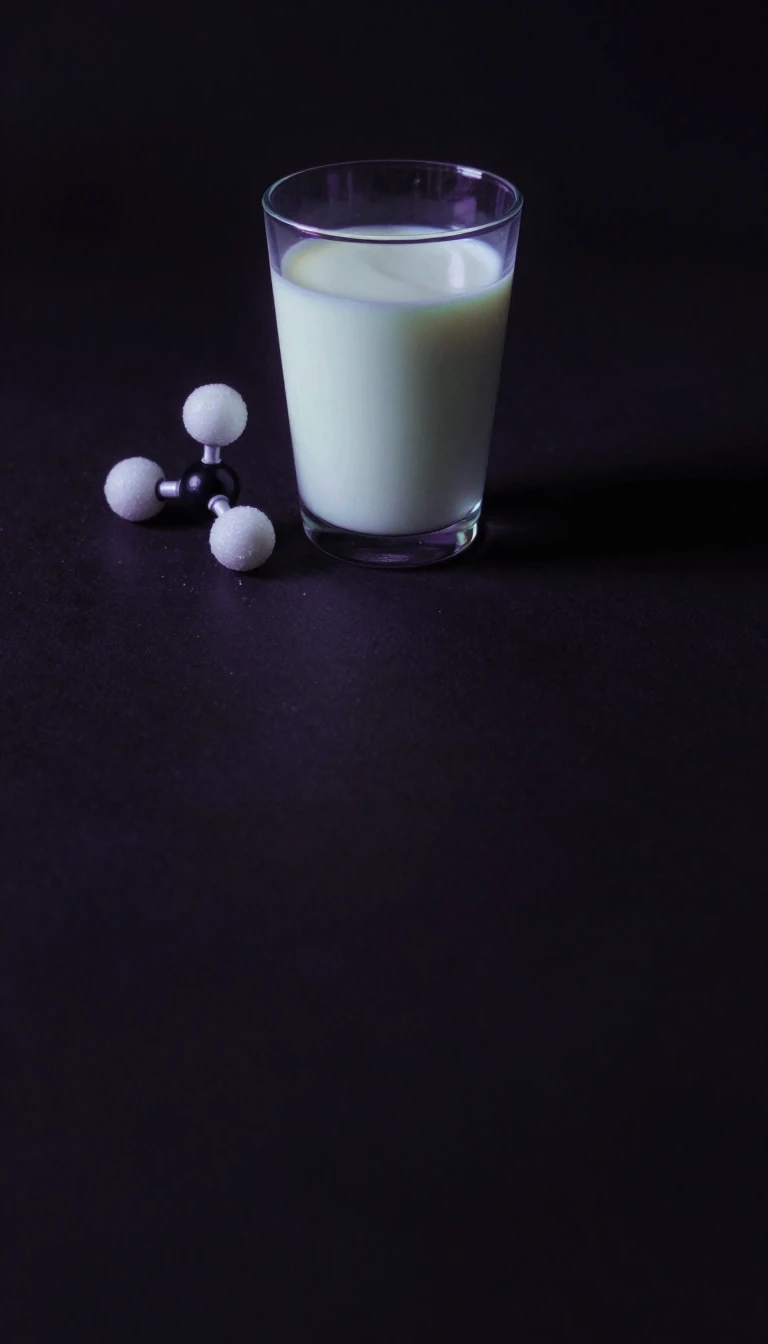 Why do different molecules behave in the same way? Meet the functional group.In organic chemistry, a functional group is a specific cluster of atoms that dictates how a molecule reacts. Regardless of the rest of the structure, these groups act like predict…
 Why the chemistry of twins matters when atoms share the same molecular homeIn chemistry, the term geminal describes two atoms or groups attached to the very same central atom. Derived from the Latin word for twins, this structural arrangement dictates ho…
 Why most geminal diols are fleeting chemical ghosts waiting to shed waterA geminal diol is an organic compound featuring two hydroxyl groups attached to a single carbon atom. While they are technically alcohols, these molecules are notoriously unstable…
- Why do some ring-shaped molecules defy the rules of chemical stability?In organic chemistry, a simple mathematical formula—4n + 2—predicts whether a molecule will be exceptionally stable. Known as Hückel's rule, this principle governs the behavior of…
 Halocarbons are the invisible, stable building blocks of modern life and environmental concern.Halocarbons are chemical compounds where carbon bonds with halogens like chlorine or fluorine. While their remarkable stability makes them ideal for everything from life-saving me…
 Humulene is the secret behind the distinct, earthy aroma of your favorite hoppy beer.This naturally occurring sesquiterpene, found in everything from pine trees to cannabis, is a chemical powerhouse. Beyond its role in brewing, humulene is a volatile organic compo…
 The humble imidazole ring is the silent architect of life and modern medicine.This planar, five-membered heterocycle is far more than a laboratory curiosity. From the structural foundation of essential amino acids like histidine to the active cores of poten…
 Isoprene is a volatile hydrocarbon that powers both industrial rubber and forest ecosystems.This colorless, petroleum-like liquid is the fundamental building block of natural rubber. Beyond its industrial utility, isoprene is a biological powerhouse, emitted by trees in …
 The citrus-scented molecule that dissolves plastic and strips paint from your household itemsLimonene is a versatile hydrocarbon found in citrus peels and pine needles. Beyond its familiar lemon-orange fragrance, this chiral molecule acts as a powerful renewable solvent. …