Was the crucifixion darkness a cosmic event or a literary masterpiece?
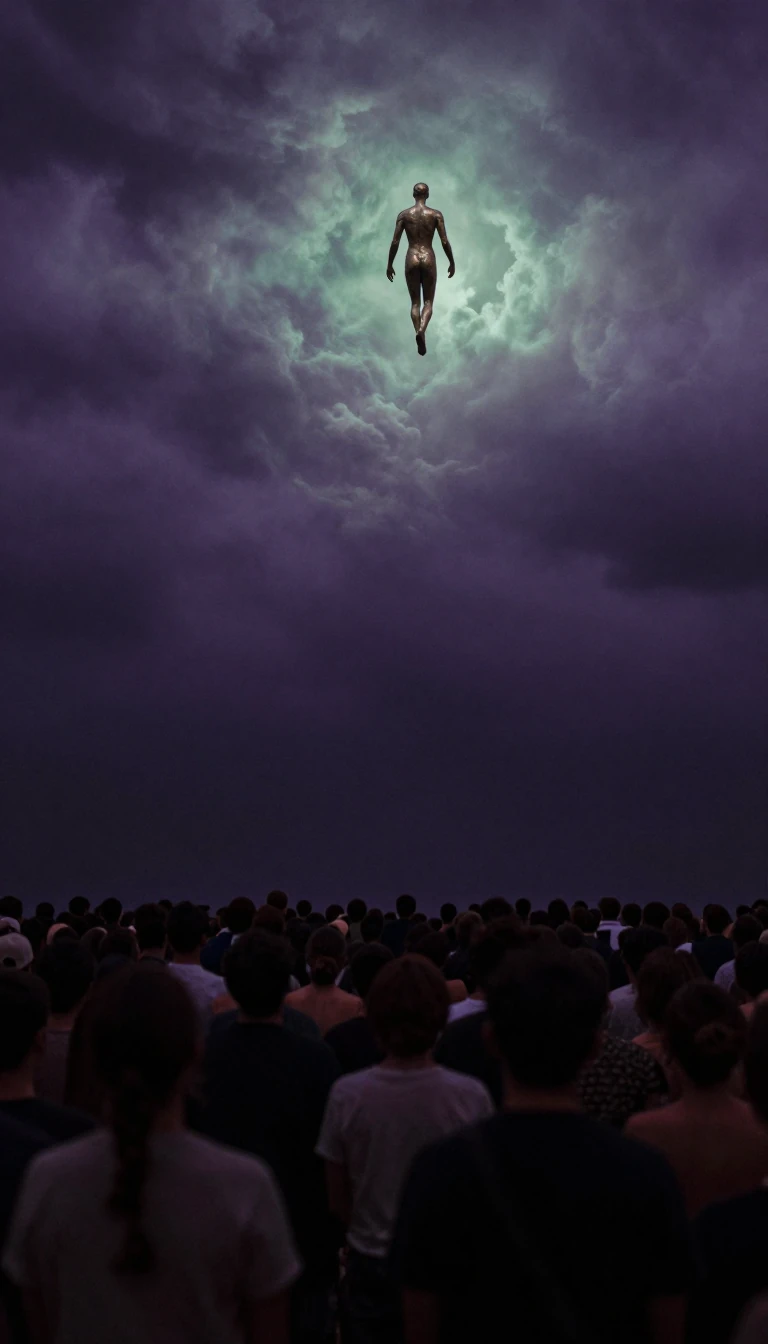
In short: The synoptic gospels describe a three-hour period of total darkness during the crucifixion of Jesus. While some early scholars sought natural causes like eclipses or volcanic dust, modern historians largely view the event as a sophisticated literary device designed to weave a profound theological message into a historical narrative.
The account of the crucifixion darkness appears in the synoptic gospels—Matthew, Mark, and Luke—detailing a period of gloom lasting from noon until 3:00 PM. While these texts vary in detail, they collectively present a cosmic disruption. For example, the Gospel of Luke specifically mentions the sun being darkened, while Matthew includes additional apocalyptic imagery like an earthquake and the splitting of rocks. These motifs were common in Jewish eschatological literature of the time, signaling the 'day of the Lord.'
Historically, the search for a physical cause has been fraught with contradictions. In the 2nd century, Tertullian argued the darkness was a recorded omen in Roman archives, while the 3rd-century scholar Origen suggested it could have been a solar eclipse or heavy clouds. However, astronomical data presents significant hurdles: a solar eclipse occurs during a new moon, but the crucifixion happened during Passover, which requires a full moon. Furthermore, a total solar eclipse lasts a maximum of about seven and a half minutes, making it insufficient to explain a three-hour blackout. Some 19th-century theories proposed volcanic eruptions or dust storms, but these remain speculative.
Modern scholarship has largely moved toward a literary interpretation. Beginning with Enlightenment thinkers like Edward Gibbon and David Strauss, many scholars now argue the darkness was a deliberate creation to solemnize the death of Jesus. By using apocalyptic language, the gospel writers wrapped the cross in rich symbolism, assimilating Jesus to other great figures of antiquity. Critics point out that if such a massive global event had occurred, contemporary observers like Pliny the Elder or Seneca the Younger would have recorded it, yet they remained silent.
Opens the Intellect+ feed with this card first. Swipe up for the next one.
Sources
- Summary by Intellect · source: Crucifixion darkness
To cite this card, link to https://intellectplus.co.uk/app/science-crucifixion-darkness.
How we source, check and correct cards: Editorial standards.
General information, not professional advice. Spotted an error? Flag the card or see corrections and complaints.
Intellect Plus is a visual educational discovery platform for exploring fascinating facts and ideas. Brain Food, Not Brain Rot. What is Intellect Plus?
Related
More in Physics · More in Science · Latest · A–Z · All topics
