Cyan is the elusive bridge between blue and green, found in stars and ink.
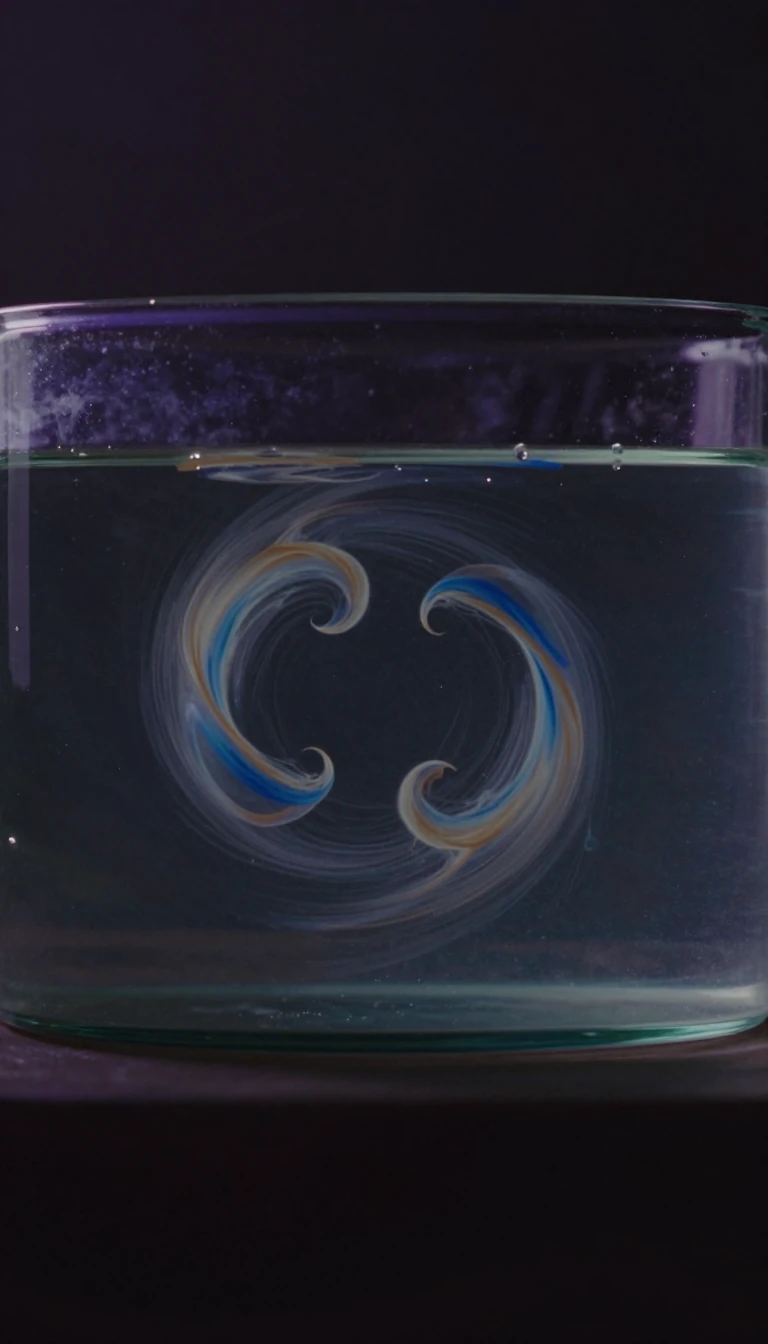
In short: Cyan is more than just a color; it is a fundamental pillar of modern printing and a natural phenomenon spanning from the atmosphere of Uranus to the depths of the ocean. Whether you call it aqua, teal, or turquoise, this vibrant hue occupies a unique, borderline space in human perception.
Positioned on the visible spectrum between 490 and 520 nanometers, cyan acts as a primary color in the subtractive CMYK system used for printing, and a secondary color in the additive RGB model used for digital screens. Its name originates from the Ancient Greek word kyanos, signifying dark blue enamel or Lapis lazuli. While the term was first recorded in English in 1879, the color itself has been utilized for millennia; ancient civilizations, including the Aztecs, Egyptians, and Tibetans, prized turquoise for its aesthetic and symbolic value.
The perception of cyan is deeply tied to physics and chemistry. In nature, the cyan appearance of large bodies of water results from the absorption of red light and the scattering of blue light by particles. Similarly, the planet Uranus appears cyan because its methane-rich atmosphere absorbs red light, reflecting only the blue-green wavelengths. Even in extreme states, such as liquid oxygen cooled below -183 degrees Celsius, the substance manifests as a clear cyan liquid. In human biology, the term appears in clinical contexts like cyanosis, where skin turns blue due to poor oxygen intake.
The distinction between cyan in print and on screen remains a technical challenge. Web colors like aqua are often more vivid than the process cyan used in ink cartridges, and there is no fixed conversion between the two systems. Because subtractive mixing relies on filtering specific light frequencies, the exact shade of printed cyan depends on the specific pigment formulation, such as phthalocyanine blue. This complexity highlights why color nomenclature remains subjective, with many speakers categorizing these vibrant blue-green hues under broader labels like blue or green depending on their specific tint or shade.
Opens the Intellect+ feed with this card first. Swipe up for the next one.
Sources
- Summary by Intellect · source: Cyan
To cite this card, link to https://intellectplus.co.uk/app/science-cyan.
How we source, check and correct cards: Editorial standards.
General information, not professional advice. Spotted an error? Flag the card or see corrections and complaints.
Intellect Plus is a visual educational discovery platform for exploring fascinating facts and ideas. Brain Food, Not Brain Rot. What is Intellect Plus?
Related
More in Color · More in Science · Latest · A–Z · All topics
