Cyclic voltammetry turns a simple electrical sweep into a powerful chemical diagnostic tool.
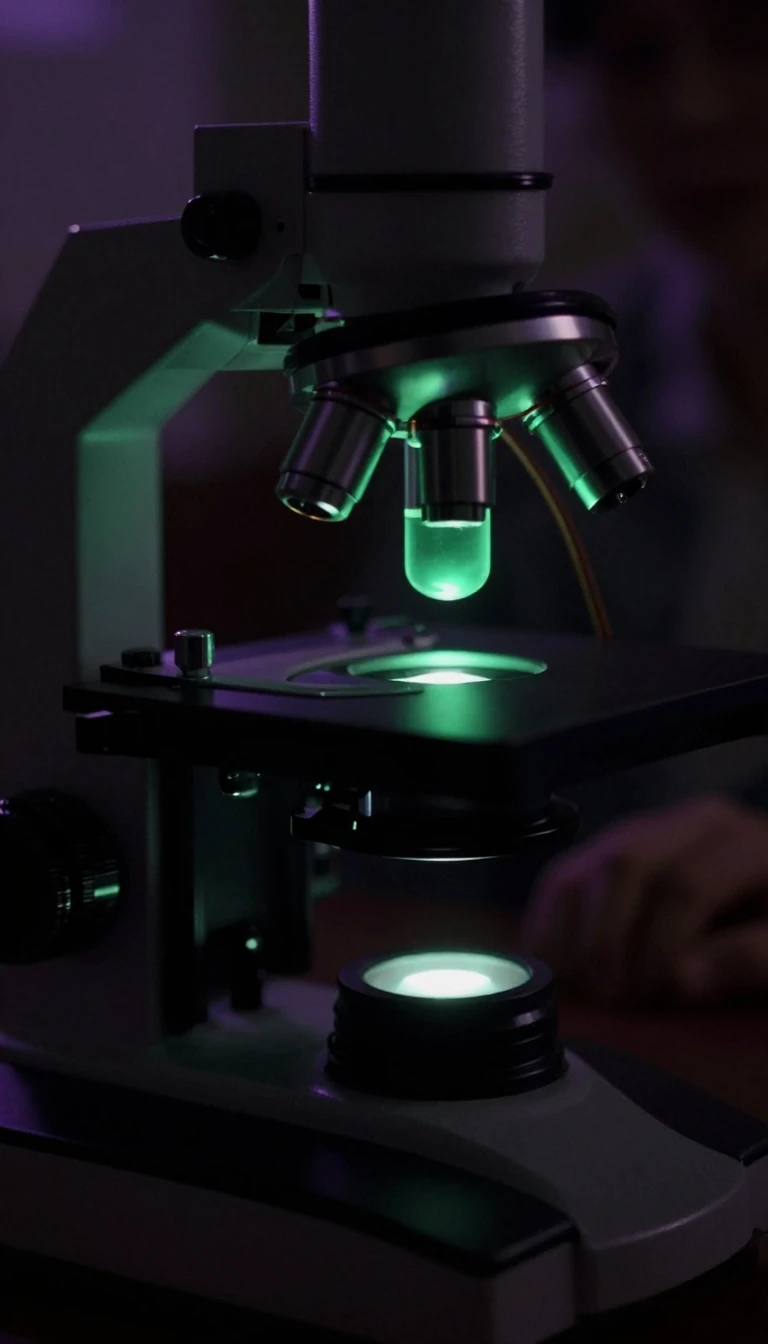
In short: By ramping voltage back and forth across an electrode, scientists can map the hidden life of molecules. This technique, known as cyclic voltammetry, reveals how substances oxidize, reduce, and diffuse in real time, offering a window into everything from the antioxidant capacity of red wine to complex biological redox mechanisms.
Cyclic voltammetry (CV) functions by linearly ramping the potential of a working electrode versus time, then reversing that direction to return to the initial state. This cycle repeats until the system reaches a steady state. By plotting the resulting current against the applied voltage, researchers generate a cyclic voltammogram—a graph often characterized by a distinct, duck-like shape. This visual trace acts as a fingerprint for the electrochemical properties of an analyte, whether it is dissolved in a solution or adsorbed directly onto the electrode surface.
The technique relies on a three-electrode setup: a working electrode, a reference electrode, and a counter electrode. As the potential shifts, the analyte undergoes oxidation or reduction, creating current spikes. If the electron transfer is fast and limited by diffusion, the peak current follows the Randles–Sevcik equation, being proportional to the square root of the scan rate. When the process is reversible, the analyte can be recovered, and the oxidation and reduction peaks appear similar in shape. However, many processes are quasi-reversible or non-reversible, often due to subsequent chemical reactions like isomerization or dissociation.
Beyond basic chemistry, CV has become a versatile analytical tool. It is used to determine the stability of reaction products, identify intermediates, and calculate formal reduction potentials. In food science, it provides a faster, reagent-free alternative to traditional assays for measuring antioxidant capacity in products like chocolate, hops, and red wine. By using specialized sensors, such as those in an electronic tongue, researchers can analyze complex samples with high cross-selectivity, proving that this electrochemical method is as practical as it is theoretically profound.
Opens the Intellect+ feed with this card first. Swipe up for the next one.
Sources
- Summary by Intellect · source: Cyclic voltammetry
To cite this card, link to https://intellectplus.co.uk/app/science-cyclic-voltammetry.
How we source, check and correct cards: Editorial standards.
General information, not professional advice. Spotted an error? Flag the card or see corrections and complaints.
Intellect Plus is a visual educational discovery platform for exploring fascinating facts and ideas. Brain Food, Not Brain Rot. What is Intellect Plus?
Related
More in Analysis · More in Science · Latest · A–Z · All topics
