How burning a tiny sample reveals the hidden elemental recipe of organic compounds
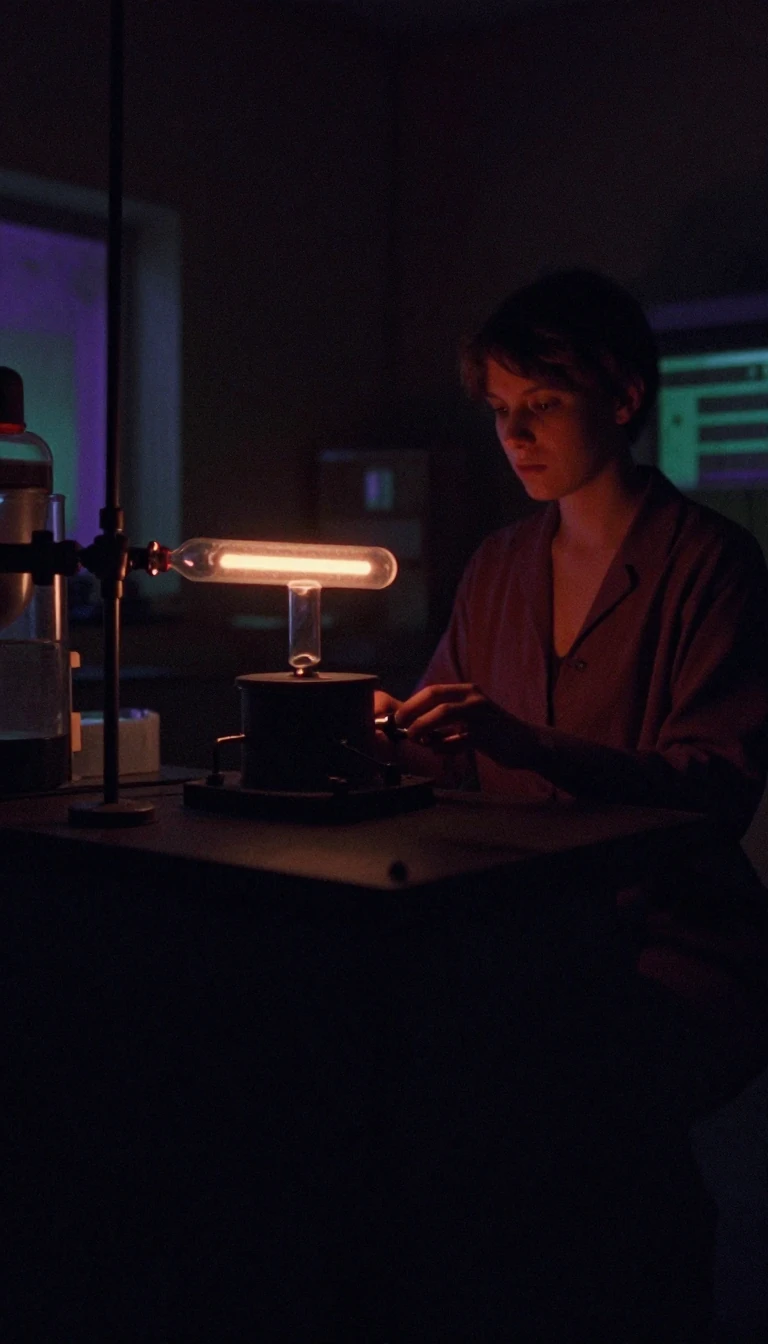
In short: To understand what a substance is made of, chemists often burn it. By incinerating a sample and measuring the resulting gases, they can calculate its exact elemental composition. This process, known as combustion analysis, has evolved from a manual 19th-century technique into a precise, automated modern scientific standard.
The foundation of combustion analysis lies in the controlled oxidation of organic compounds. When a sample is heated in a high-oxygen environment, elements like carbon, hydrogen, nitrogen, and sulfur are converted into simple, measurable gases such as carbon dioxide, water vapor, and nitrogen oxides. By trapping and quantifying these products, researchers can derive the empirical formula of the original substance. For instance, every carbon atom in the sample yields one equivalent of carbon dioxide, while every hydrogen atom produces half an equivalent of water.
The method traces its origins to Joseph Louis Gay-Lussac, who invented the process. Between 1822 and 1824, Justus von Liebig studied under Gay-Lussac and subsequently refined the technique, transforming it into a standard procedure for organic analysis. Historically, this involved a 'combustion train'—a series of steps using Copper(II) oxide as an oxidizing agent, followed by hygroscopic agents like magnesium perchlorate or calcium chloride to capture water, and strong bases like potassium hydroxide to trap carbon dioxide.
Today, the process is largely automated through sophisticated CHN analyzers. These instruments often utilize the Dumas method, employing flash combustion to oxidize samples instantly. Modern technology allows for incredibly small sample sizes, with as little as 0.5 mg often sufficient for accurate results. These analyzers are versatile, handling solids, liquids, and viscous materials across industries ranging from pharmaceuticals and polymers to food science and environmental monitoring. While alternative methods like the Kjeldahl process exist, combustion analysis remains a cornerstone of analytical chemistry for determining elemental concentrations with high precision.
Opens the Intellect+ feed with this card first. Swipe up for the next one.
Sources
- Summary by Intellect · source: Combustion analysis
To cite this card, link to https://intellectplus.co.uk/app/science-combustion-analysis.
How we source, check and correct cards: Editorial standards.
General information, not professional advice. Spotted an error? Flag the card or see corrections and complaints.
Intellect Plus is a visual educational discovery platform for exploring fascinating facts and ideas. Brain Food, Not Brain Rot. What is Intellect Plus?
Related
More in Analysis · More in Science · Latest · A–Z · All topics
