The high-stakes trade that saved Britain—and redefined American power
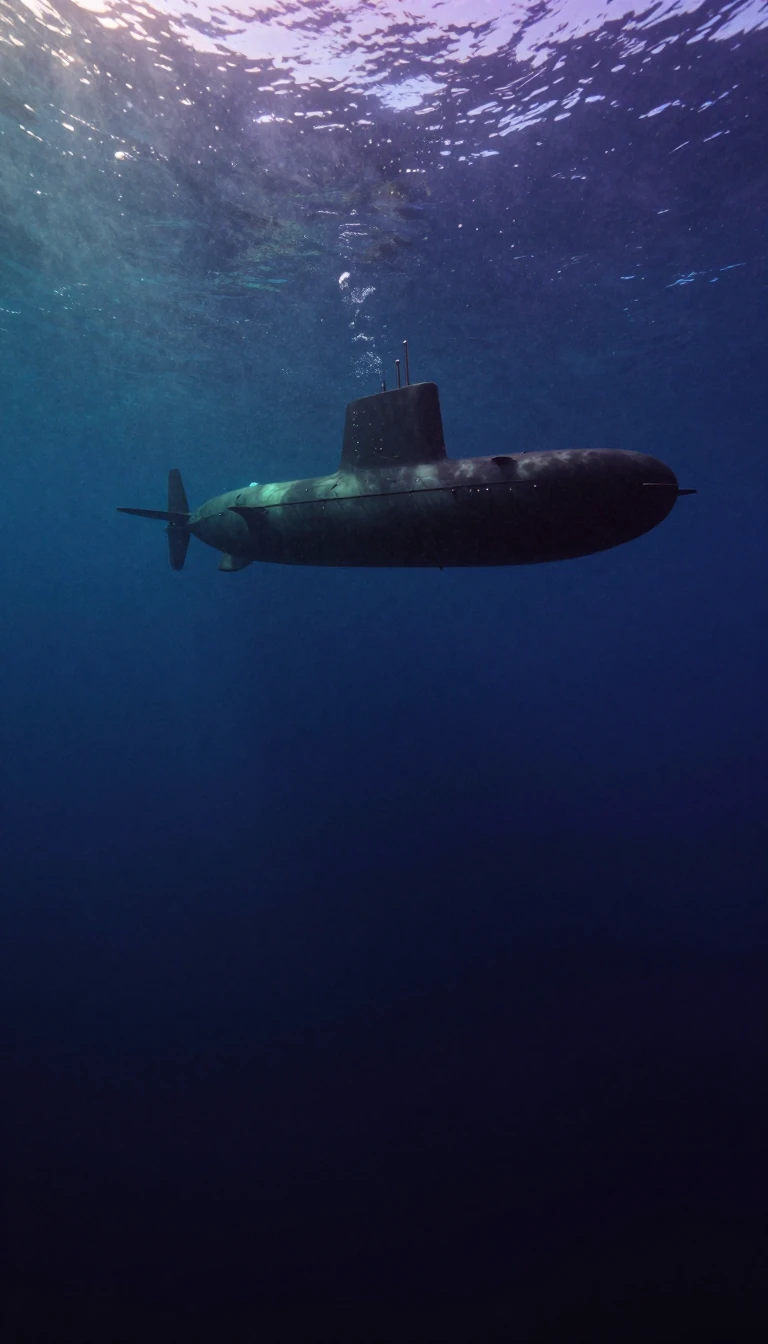
In short: In 1940, with France fallen and the British Empire standing alone, Winston Churchill struck a desperate bargain. To save his nation from Nazi Germany, he traded land for ships. It was a move so lopsided it was compared to an imperialist land grab, yet it laid the foundation for the modern Anglo-American alliance.
On September 2, 1940, President Franklin D. Roosevelt executed an executive agreement—bypassing Congressional approval—to transfer 50 US Navy destroyers to the United Kingdom. These ships, primarily Caldwell, Wickes, and Clemson classes (known as "flush-deckers"), were largely obsolete relics of World War I. They had been left in reserve and suffered from severe defects after years of poor preservation. British Admiral Bertram Ramsay famously dismissed them as the "worst destroyers I had ever seen," noting that only 30 were even functional by May 1941.
In exchange, the United States secured rent-free 99-year leases on various British territories, including Trinidad, Bermuda, and Newfoundland. While Britain desperately needed immediate naval strength to combat German U-boats in the Battle of the Atlantic, the US gained strategic footholds vital for trans-Atlantic shipping and aviation. The deal allowed Britain to offload the costly defense of places like Bermuda to the neutral Americans, freeing up British forces for active theaters while allowing the US to develop facilities at its own expense.
The transaction was politically fraught. Antiwar Americans argued it violated Neutrality Acts, while Churchill’s own aides privately compared the lopsided nature of the deal to the USSR's treatment of Finland. Despite these criticisms, the agreement served as a pivotal turning point. It marked the beginning of the formal wartime partnership between the two nations, moving the US from isolationism toward active involvement in the global conflict.
The legacy of the deal is visible in the geography of the Caribbean and Atlantic. Many bases established under the lease, such as those in Newfoundland and Bermuda, were eventually abandoned by 1949 or closed by 1995. However, the strategic shift initiated in 1940 remains a cornerstone of Western defense history.
Opens the Intellect+ feed with this card first. Swipe up for the next one.
Sources
- Summary by Intellect · source: Destroyers-for-bases deal
To cite this card, link to https://intellectplus.co.uk/app/science-destroyers-for-bases-deal.
How we source, check and correct cards: Editorial standards.
General information, not professional advice. Spotted an error? Flag the card or see corrections and complaints.
Intellect Plus is a visual educational discovery platform for exploring fascinating facts and ideas. Brain Food, Not Brain Rot. What is Intellect Plus?
Related
More in Social scientists · More in Science · Latest · A–Z · All topics
