Digitization is not preservation: why your digital files might vanish while paper survives centuries
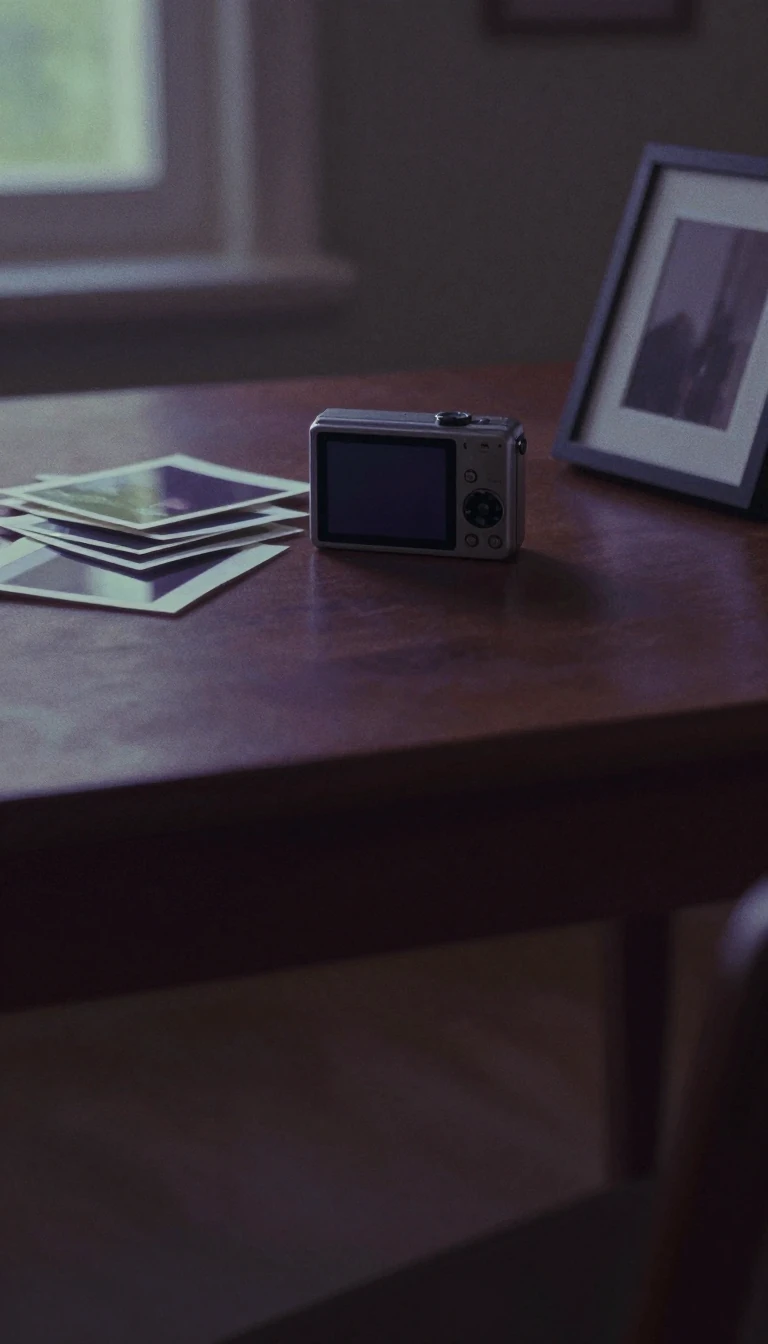
In short: Digitization turns analog items into binary code, offering instant access and searchability. Yet, this process is merely the first step toward long-term survival. While digital copies are easily shared, they are inherently fragile, requiring constant migration to new formats to avoid the rapid technological obsolescence that threatens our digital heritage.
At its core, digitization is the conversion of analog source material—such as photographs, audio tapes, or paper maps—into a numerical format. This process involves sampling continuous analog signals at regular intervals and quantizing those measurements into binary digits, or bits. By representing information as a series of 0s and 1s, institutions can store, transmit, and intermingle diverse media with unprecedented efficiency. This capability has revolutionized how libraries and archives manage collections, allowing them to create digital surrogates that reduce physical wear on fragile originals while expanding access for remote patrons.
However, a critical distinction exists between digitization and digital preservation. Digitization is a singular act of conversion, whereas digital preservation is an ongoing commitment to maintain access to those files over time. Because storage formats and hardware evolve rapidly—often becoming obsolete within 5 to 10 years—digital data is far less stable than traditional manuscripts or scrolls that have endured for centuries. To combat this, information professionals must proactively migrate data to newer, stable formats, a task complicated by the fact that most websites last only 2.5 to 5 years.
The challenges extend beyond technology to include significant costs, copyright complexities, and the need for equitable platforms for marginalized voices. Even mass digitization efforts, such as Google Book Search, face hurdles like legal disputes and the technical difficulty of keeping standards updated. Furthermore, studies suggest that while e-books excel for leisure, physical literature remains superior for intense academic study. Ultimately, digitization is a vital tool for rescuing cultural history from media deterioration, but it remains an approximation of the original, requiring constant vigilance to ensure that our digital future does not become a silent archive of unreadable files.
Opens the Intellect+ feed with this card first. Swipe up for the next one.
Sources
- Summary by Intellect · source: Digitization
To cite this card, link to https://intellectplus.co.uk/app/science-digitization.
How we source, check and correct cards: Editorial standards.
General information, not professional advice. Spotted an error? Flag the card or see corrections and complaints.
Intellect Plus is a visual educational discovery platform for exploring fascinating facts and ideas. Brain Food, Not Brain Rot. What is Intellect Plus?
Related
More in Social scientists · More in Science · Latest · A–Z · All topics
