Your DNA is not just a static code but a dynamic, chemically modified instruction manual.
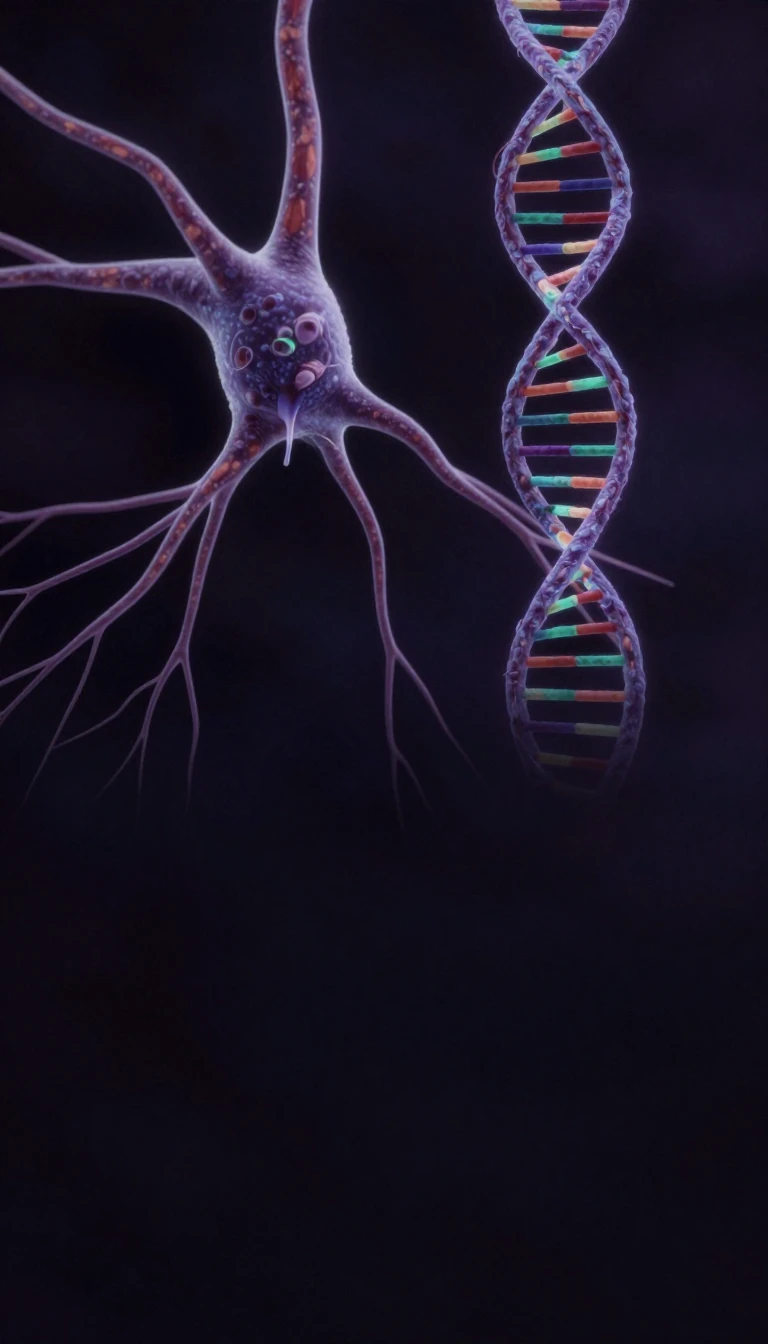
In short: Beyond the sequence of letters in your genome lies an invisible layer of control. By attaching chemical tags to specific sites, your cells can silence or activate genes without changing the underlying code. This epigenetic machinery is essential for life, yet its precision is a fragile requirement for human health.
At the heart of epigenetic regulation is DNA methylation, a process where a methyl group is added to the cytosine base of DNA. This modification acts as a molecular switch, typically suppressing gene activity by blocking transcription factors or recruiting repressive proteins. While the genetic sequence remains constant, these chemical markers allow cells to adopt specialized roles, ensuring that a neuron behaves differently from a muscle cell despite sharing the same blueprint.
This system is remarkably active even in mature, postmitotic neurons. Research indicates that neuronal activity can alter methylation patterns in response to environmental stimuli, suggesting that our experiences may leave a lasting chemical imprint on our genetic machinery. This plasticity is vital for normal cognitive function, but it also creates a point of vulnerability. When these patterns are disrupted by developmental mutations or external factors like neural injury or drug exposure, the consequences can be severe, often manifesting as cognitive impairment or neuropsychiatric conditions.
The complexity of this process is underscored by the machinery that maintains it. Proteins like DNMT1 and the methyl-CpG-binding protein MECP2 are critical for establishing and interpreting these marks. Mutations in the gene encoding MECP2, for instance, are the known cause of Rett syndrome, a condition that highlights the devastating impact of losing control over this epigenetic layer. As scientists continue to map these interactions, they are uncovering a sophisticated regulatory network that not only shapes development but also offers potential new targets for treating complex brain disorders.
Opens the Intellect+ feed with this card first. Swipe up for the next one.
Sources
- Summary by Intellect · source: DNA Methylation and Its Basic Function - Neuropsychopharmacology
- Also: DNA methylation
To cite this card, link to https://intellectplus.co.uk/app/science-dna-methylation.
How we source, check and correct cards: Editorial standards.
General information, not professional advice. Spotted an error? Flag the card or see corrections and complaints.
Intellect Plus is a visual educational discovery platform for exploring fascinating facts and ideas. Brain Food, Not Brain Rot. What is Intellect Plus?
Related
More in Human body & genes · More in Science · Latest · A–Z · All topics
