Why your childhood teddy bear was a vital bridge to the real world
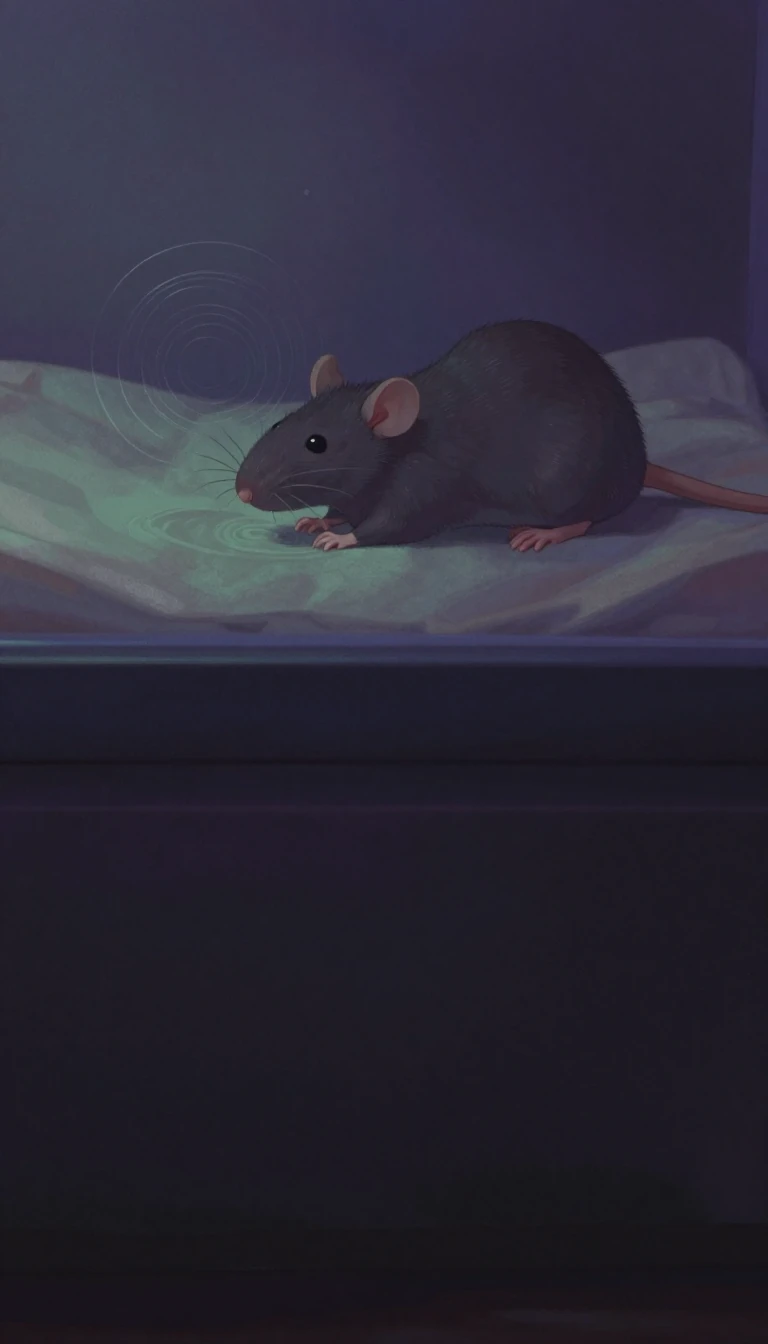
In short: Donald Winnicott, a pioneering paediatrician and psychoanalyst, argued that transitional objects like blankets or toys are not mere comfort items. They serve as essential psychological bridges, helping infants navigate the complex shift from total dependence on a mother to recognizing themselves as separate individuals in an external reality.
Born in 1896, Donald Winnicott spent four decades at Paddington Green Children's Hospital, where his observations of the mother-infant bond led to his theory of the 'holding environment'. He posited that healthy development relies on a caregiver's reliable, attentive care, which provides a child with the security needed to explore the world. When this environment is disrupted, Winnicott suggested that children may develop an 'antisocial tendency', which he interpreted not as simple defiance, but as a desperate, hopeful search for the stability they once knew and lost.
Winnicott’s most enduring contribution is the concept of 'transitional phenomena'. He identified the transitional object—often a soft toy or blanket—as the first 'not-me' possession. This object occupies a 'potential space' between the subjective world of the infant's fantasy and the objective, shared reality. By cuddling, loving, and even mutilating these objects, children learn to manage the anxiety of separation. Crucially, the object must survive the child's aggression, proving that the environment is robust enough to withstand their instinctual impulses without retaliating.
Beyond infancy, Winnicott believed this potential space remains the birthplace of creativity, culture, and play throughout adulthood. He argued that true selfhood is only realized when individuals feel free to 'play'—whether through art, humor, or meaningful conversation. For Winnicott, psychoanalysis itself should function as a form of play; he warned that forcing patients to comply with rigid, authoritative interpretations could stifle their authenticity and reinforce a 'false self'. Instead, he advocated for a therapeutic relationship that mimics the mother's holding, allowing patients to discover their own genuine sense of being.
Opens the Intellect+ feed with this card first. Swipe up for the next one.
Sources
- Summary by Intellect · source: Donald Winnicott
To cite this card, link to https://intellectplus.co.uk/app/science-donald-winnicott.
How we source, check and correct cards: Editorial standards.
General information, not professional advice. Spotted an error? Flag the card or see corrections and complaints.
Intellect Plus is a visual educational discovery platform for exploring fascinating facts and ideas. Brain Food, Not Brain Rot. What is Intellect Plus?
