A Victorian polymath who taught science by day and challenged religious orthodoxy by night.
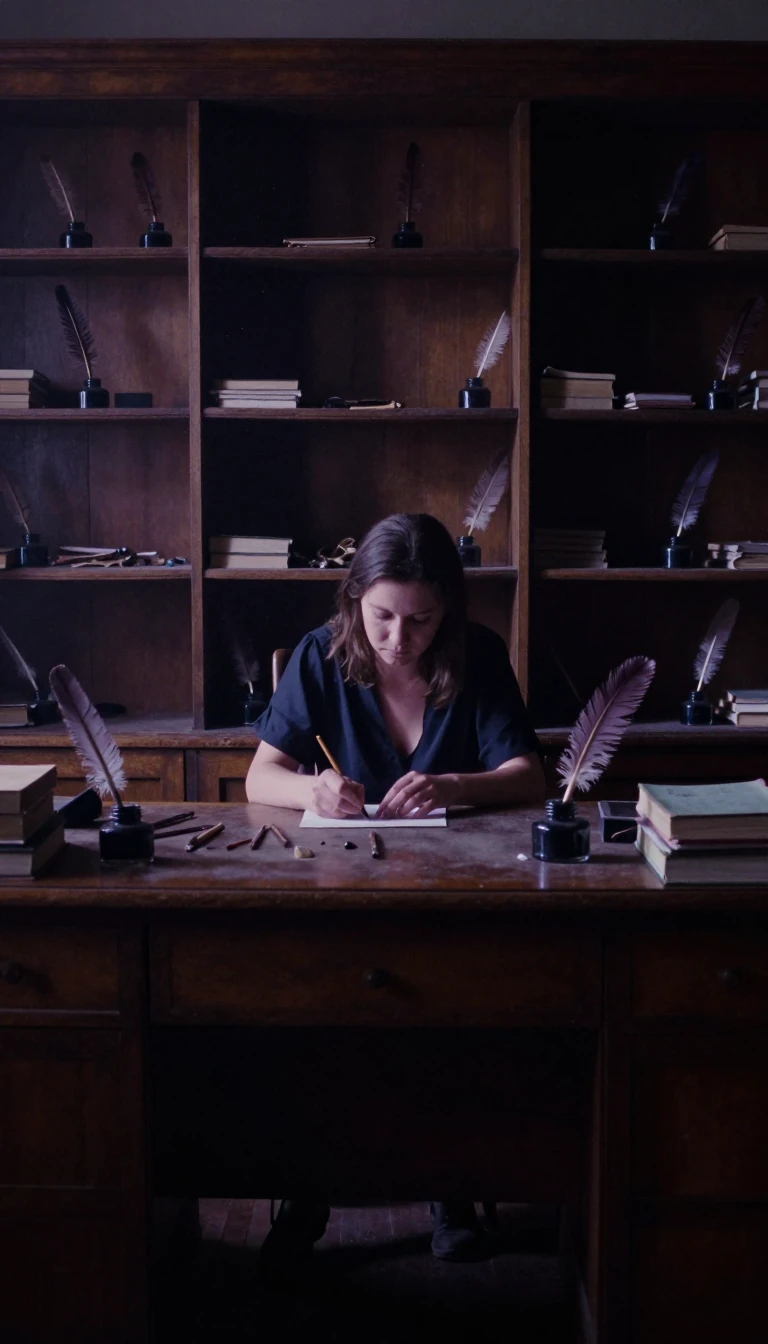
In short: Edward Aveling was a brilliant comparative anatomist and Darwinian advocate who navigated the rigid hierarchies of 19th-century British academia. Despite his success in medicine and zoology, his public commitment to secularism and socialism ultimately cost him his professional standing, marking him as a defiant figure in Victorian intellectual life.
Born in 1849, Edward Aveling was a man of immense intellectual breadth, excelling as a scientist, journalist, and playwright. His early academic life was marked by high achievement; he earned a gold medal in chemistry and a first in physiology at University College London. By 1870, he had graduated with a B.Sc. in Zoology, having been examined by the legendary Thomas Henry Huxley. Aveling’s career spanned prestigious roles, including a lectureship in comparative anatomy at the London Hospital and a professorship of English at the Royal Academy of Music. He was a prolific author, producing instructional works like his 1874 Botanical Tables and 1877 Physiological Tables, which were designed to support students in meeting the rigorous standards of the Science and Art Department.
Aveling’s trajectory shifted significantly as he moved from the medical faculty to the secularist movement. In 1879, he published his 'secularist credo,' titled 'Credo Ergo Laborabo,' publicly declaring himself a freethinker. This transition was not without consequence. In 1881, he was dismissed from his position at the London Hospital, an event widely interpreted as political persecution due to his vocal support for secularism and his close association with Charles Bradlaugh, the President of the National Secular Society. Aveling viewed his scientific work through a Darwinian lens, even advocating for the inclusion of Charles Darwin’s theories in school curricula as early as 1879, a move that challenged the prevailing Anglican orthodoxy of the time.
Beyond his scientific and political pursuits, Aveling was deeply immersed in the arts, particularly music and drama. He reviewed works by Brahms, Dvorák, and Liszt, and was a frequent attendee at the Savoy and Drury Lane. His personal life was equally complex, marked by a marriage to Isabel Campbell Frank and a long-term partnership with Eleanor Marx, the daughter of Karl Marx. Following Eleanor’s suicide in 1898, Aveling continued to edit and publish the works of Karl Marx until his own death later that same year. His life remains a striking example of the intersection between Victorian scientific rigor, radical political activism, and the cultural ferment of the late 19th century.
Opens the Intellect+ feed with this card first. Swipe up for the next one.
Sources
- Summary by Intellect · source: Edward Aveling
To cite this card, link to https://intellectplus.co.uk/app/science-edward-aveling.
How we source, check and correct cards: Editorial standards.
General information, not professional advice. Spotted an error? Flag the card or see corrections and complaints.
Intellect Plus is a visual educational discovery platform for exploring fascinating facts and ideas. Brain Food, Not Brain Rot. What is Intellect Plus?
Related
More in Physics · More in Science · Latest · A–Z · All topics
