From bark bread to haute cuisine: the evolution of Finland's resilient, nature-foraged diet.
In short: Finnish cuisine is a study in survival, born from a harsh climate where agriculture was often unreliable. For centuries, Finns turned to the forest and lakes for sustenance, creating a culture defined by foraged berries, mushrooms, and fish. Today, this tradition of freshness meets modern techniques in a unique culinary landscape.
Historically, the Finnish diet was dictated by a cold environment that rendered fresh produce unavailable for most of the year. Before the 18th-century introduction of the potato, turnips were the primary tuber. During the 19th century, severe crop failures led to periods of malnutrition, forcing people to improvise with ingredients like pettuleipä, or bark bread, made from rye flour and the inner phloem layer of pine bark. This survivalist history remains embedded in the culture, where hunting and fishing were not merely hobbies but essential secondary livelihoods.
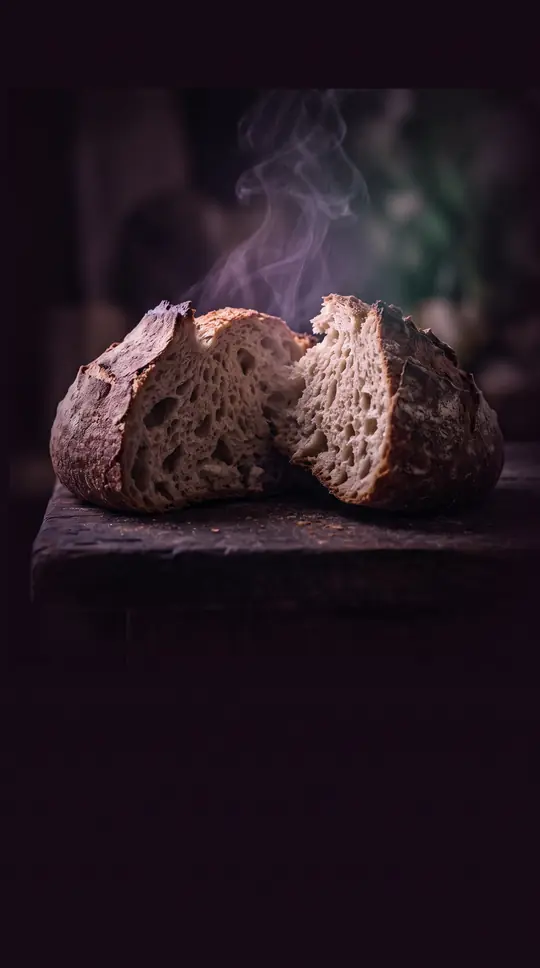
The modern Finnish palate is defined by a preference for unsweetened, fresh ingredients, distinguishing it from its Swedish neighbor. While Swedish rye bread often incorporates syrup and spices, the Finnish version is characteristically bitter and unsweetened. This focus on purity extends to the widespread use of wild berries—such as bilberries, lingonberries, and cloudberries—which are gathered freely from forests under the 'freedom to roam' tradition. These berries are not just for desserts; they are frequently paired with savory meats, particularly in the form of sour lingonberry relish.
The 20th century brought significant shifts, including the rise of large-scale meat production and the integration of international staples like pizza and pasta. Accession to the European Union in 1995 further transformed the market by eliminating trade barriers, causing the price of staples like meat and grains to drop by as much as 50%. Despite these changes, traditional dishes are still categorized as either kotiruoka (daily home-made food) or perinneruoka (rarely eaten traditional specialties). While modern restaurateurs have successfully elevated these simple, hearty roots to the level of Michelin-starred dining, the core of the cuisine remains a deep, pragmatic connection to the raw, seasonal bounty of the Finnish wilderness.
Opens the Intellect+ feed with this card first. Swipe up for the next one.
Sources
- Summary by Intellect · source: Finnish cuisine
To cite this card, link to https://intellectplus.co.uk/app/science-finnish-cuisine.
How we source, check and correct cards: Editorial standards.
General information, not professional advice. Spotted an error? Flag the card or see corrections and complaints.
Intellect Plus is a visual educational discovery platform for exploring fascinating facts and ideas. Brain Food, Not Brain Rot. What is Intellect Plus?
Related
More in Mathematicians · More in Science · Latest · A–Z · All topics
