Turning gas into liquid fuel: the chemistry of synthetic hydrocarbons
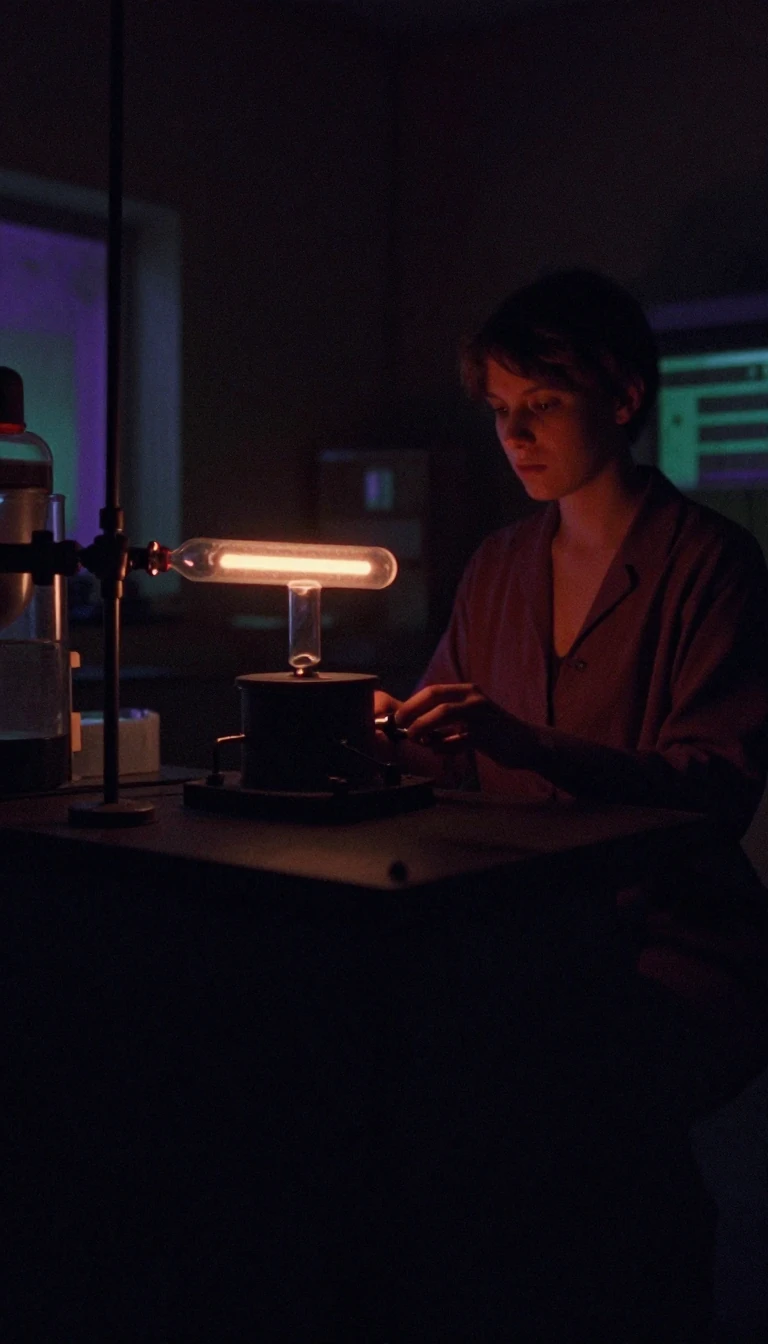
In short: How do we turn coal, biomass, or even carbon dioxide into the liquid fuels that power our world? The Fischer–Tropsch process is the chemical bridge. It transforms syngas into a variety of hydrocarbons, offering a pathway to create synthetic fuels that could eventually replace fossil fuels entirely.
Developed in 1925 by Franz Fischer and Hans Tropsch in Germany, the Fischer–Tropsch (FT) process is a series of chemical reactions that converts synthesis gas—a mixture of carbon monoxide and hydrogen—into liquid hydrocarbons. The reaction is highly exothermic, releasing about 165 kJ of energy for every mole of CO consumed. To manage this heat, industrial reactors must be carefully designed; for instance, multi-tubular fixed-bed reactors use cooling water, while riser reactors operate above 297 °C to prevent heavy waxes from condensing and clogging the system.
The mechanism involves a complex, multi-step sequence where carbon and oxygen bonds are split, and new carbon-carbon bonds are formed. While the exact mechanism is still poorly understood, it is believed to involve surface-bound metal carbonyls and intermediates like alkylidyne species. By adjusting the catalyst and conditions, engineers can steer the output. Cobalt-based catalysts at lower temperatures typically produce longer-chain n-paraffins like waxes and diesel, while iron-based catalysts at higher temperatures yield a wider array of short-chain paraffins, olefins, and aromatics.
The process is central to 'gas-to-liquids' (GTL) technology and carbon-neutral fuel production. By using gasification to turn biomass or coal into syngas, or by using the reverse water-gas shift reaction to combine CO2 with green hydrogen, the FT process can create zero-sulfur sustainable aviation fuel and naphtha. This allows for the potential replacement of entire fossil fuel supply chains with synthetic products derived from non-petroleum sources.
Opens the Intellect+ feed with this card first. Swipe up for the next one.
Sources
- Summary by Intellect · source: Fischer–Tropsch process
- Also: www.britannica.com — Fischer-Tropsch reaction | Synthesis, Catalysts, Hydrocarbons | Britannica
To cite this card, link to https://intellectplus.co.uk/app/science-fischer-tropsch-process.
How we source, check and correct cards: Editorial standards.
General information, not professional advice. Spotted an error? Flag the card or see corrections and complaints.
Intellect Plus is a visual educational discovery platform for exploring fascinating facts and ideas. Brain Food, Not Brain Rot. What is Intellect Plus?
Related
More in Reactions and synthesis · More in Science · Latest · A–Z · All topics
