The ancient art of fire-based separation is now the future of clean energy
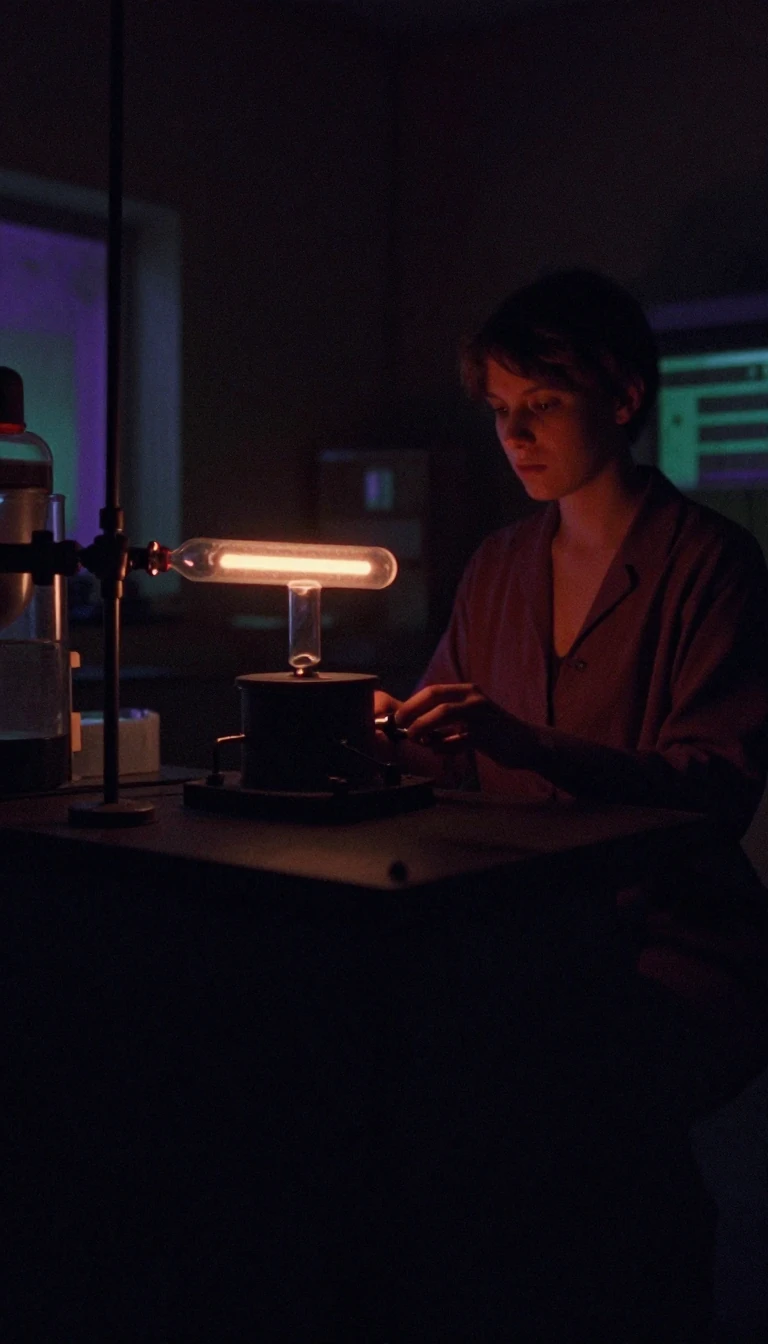
In short: Pyrolysis is the thermal breakdown of organic matter in an oxygen-free environment. While humans have used this process for millennia to create charcoal and embalming fluids, modern industry is now leveraging it to convert methane into hydrogen fuel and transform waste plastics back into usable oil and chemical feedstocks.
At its core, pyrolysis is a chemical process that uses heat to break covalent bonds in organic materials. Unlike combustion, which requires oxygen, or hydrolysis, which uses water, true pyrolysis occurs in an inert atmosphere. By heating substances above their decomposition temperature, the material breaks down into smaller molecules, leaving behind a carbon-rich solid residue known as char. When this process is taken to its extreme, resulting in a residue of mostly elemental carbon, it is termed carbonization.
The versatility of pyrolysis stems from its ability to produce three distinct physical states: gases, condensable liquids, and solids. In the chemical industry, this is harnessed for everything from cracking heavy hydrocarbons into lighter ones to producing ethylene. A significant recent development is methane pyrolysis, which directly converts methane into hydrogen gas and solid carbon char. This method is increasingly viewed as a viable industrial-scale pathway for producing clean hydrogen without the high carbon dioxide emissions associated with other production techniques.
Beyond industrial chemistry, the process is deeply embedded in history. Ancient Egyptians utilized the liquid fractions from cedar wood pyrolysis for embalming, and charcoal production has been a staple of human activity since ancient times. Today, researchers are exploring aspirational applications that could turn biomass into syngas and biochar, or convert complex waste plastics back into their original monomers and oligomers. By carefully controlling operating conditions and heating systems, engineers can fine-tune the yield of these products, turning what was once a simple fire-based craft into a sophisticated tool for modern resource management.
The process is highly temperature-dependent. As organic matter is heated, it undergoes successive stages: water evaporation, melting of fats and sugars, and finally, the breakdown of complex structures like cellulose and lignin between 100 and 500 °C. Because pyrolysis can be performed in a vacuum, it also allows for lower boiling points of byproducts, which significantly improves the recovery of valuable chemical compounds.
Opens the Intellect+ feed with this card first. Swipe up for the next one.
Sources
To cite this card, link to https://intellectplus.co.uk/app/sport-pyrolysis.
How we source, check and correct cards: Editorial standards.
General information, not professional advice. Spotted an error? Flag the card or see corrections and complaints.
Intellect Plus is a visual educational discovery platform for exploring fascinating facts and ideas. Brain Food, Not Brain Rot. What is Intellect Plus?
Related
More in Motorsport · More in Sport & Games · Latest · A–Z · All topics
