Why the strongest bond in organic chemistry creates both miracle materials and greenhouse gases.
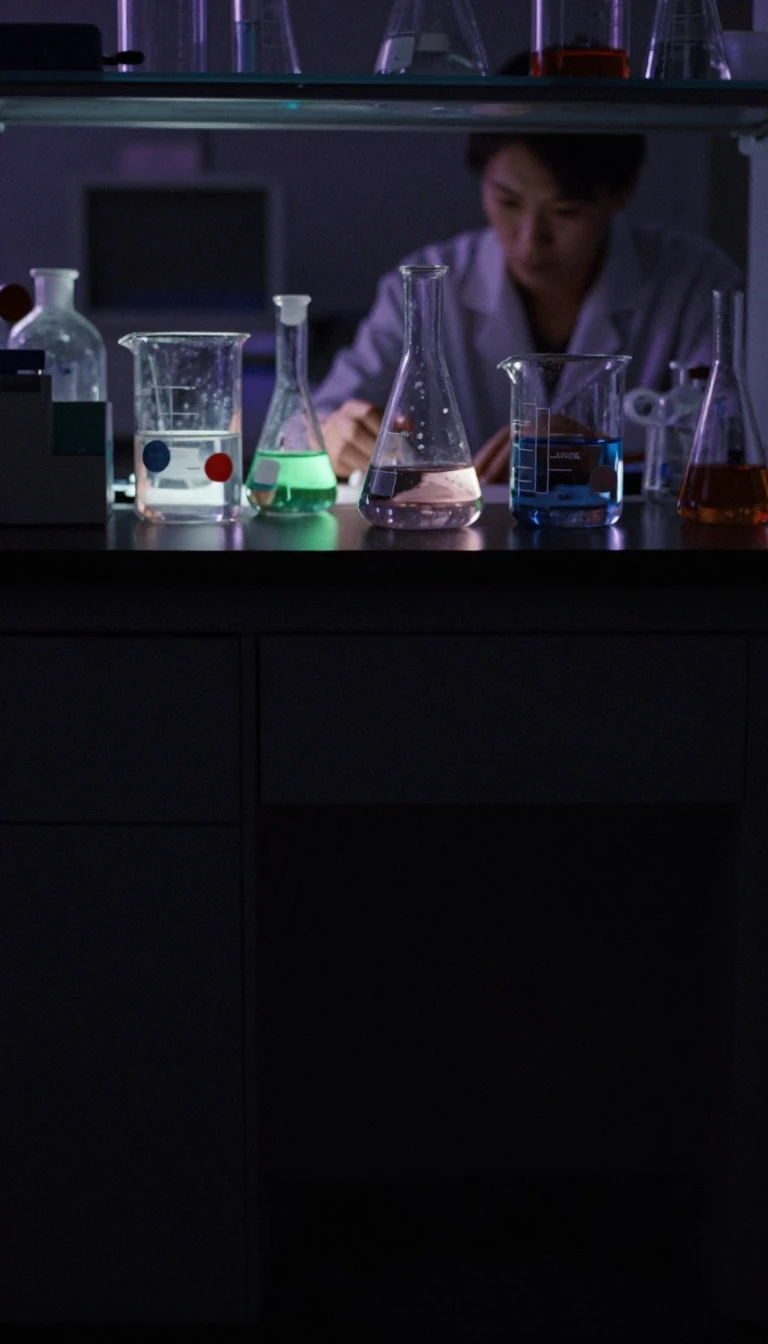
In short: Fluorocarbons are chemical compounds defined by carbon-fluorine bonds, which are among the strongest in organic chemistry. This unique stability makes them invaluable for high-performance polymers and medical applications, yet their extreme durability also renders them potent greenhouse gases that persist in the atmosphere for generations.
The secret to the fluorocarbon's resilience lies in the electronegativity of fluorine. By pulling electrons toward itself, fluorine creates a partial ionic character that shortens and strengthens the carbon-fluorine bond. This effect is cumulative; multiple fluorine atoms on a single carbon atom reinforce one another, creating a skeletal structure that is thermally and chemically more stable than any other organic compound. Because these molecules have low polarizability, they exhibit weak intermolecular forces, resulting in low surface tension, low viscosity, and high gas solubility.
These physical properties have enabled diverse industrial applications. Since the 1940s, large-scale manufacturing has relied on processes like the Fowler process, which uses cobalt trifluoride, or electrochemical fluorination. While saturated perfluoroalkanes are generally inert and non-toxic, their unsaturated counterparts, such as tetrafluoroethylene, are highly reactive and serve as the building blocks for materials like Teflon. Their ability to absorb heat also makes them candidates for fire suppression, as they can effectively draw thermal energy away from combustion.
However, this utility comes with significant environmental caveats. While they do not deplete the ozone layer—unlike chlorofluorocarbons—low-boiling perfluoroalkanes are powerful greenhouse gases. Their atmospheric longevity is so substantial that their use is strictly regulated under the Kyoto Protocol. Furthermore, while they are often used in medical procedures due to their rapid excretion from the body, the surfactants used in their industrial polymerization can bioaccumulate, posing separate ecological challenges. Balancing their unique physical utility with their environmental impact remains a central tension in modern organofluorine chemistry.
Opens the Intellect+ feed with this card first. Swipe up for the next one.
Sources
- Summary by Intellect · source: Fluorocarbon
To cite this card, link to https://intellectplus.co.uk/app/science-fluorocarbon.
How we source, check and correct cards: Editorial standards.
General information, not professional advice. Spotted an error? Flag the card or see corrections and complaints.
Intellect Plus is a visual educational discovery platform for exploring fascinating facts and ideas. Brain Food, Not Brain Rot. What is Intellect Plus?
Related
More in Organic compounds · More in Science · Latest · A–Z · All topics
