Why the birds in your backyard are ancient survivors of the dinosaur age
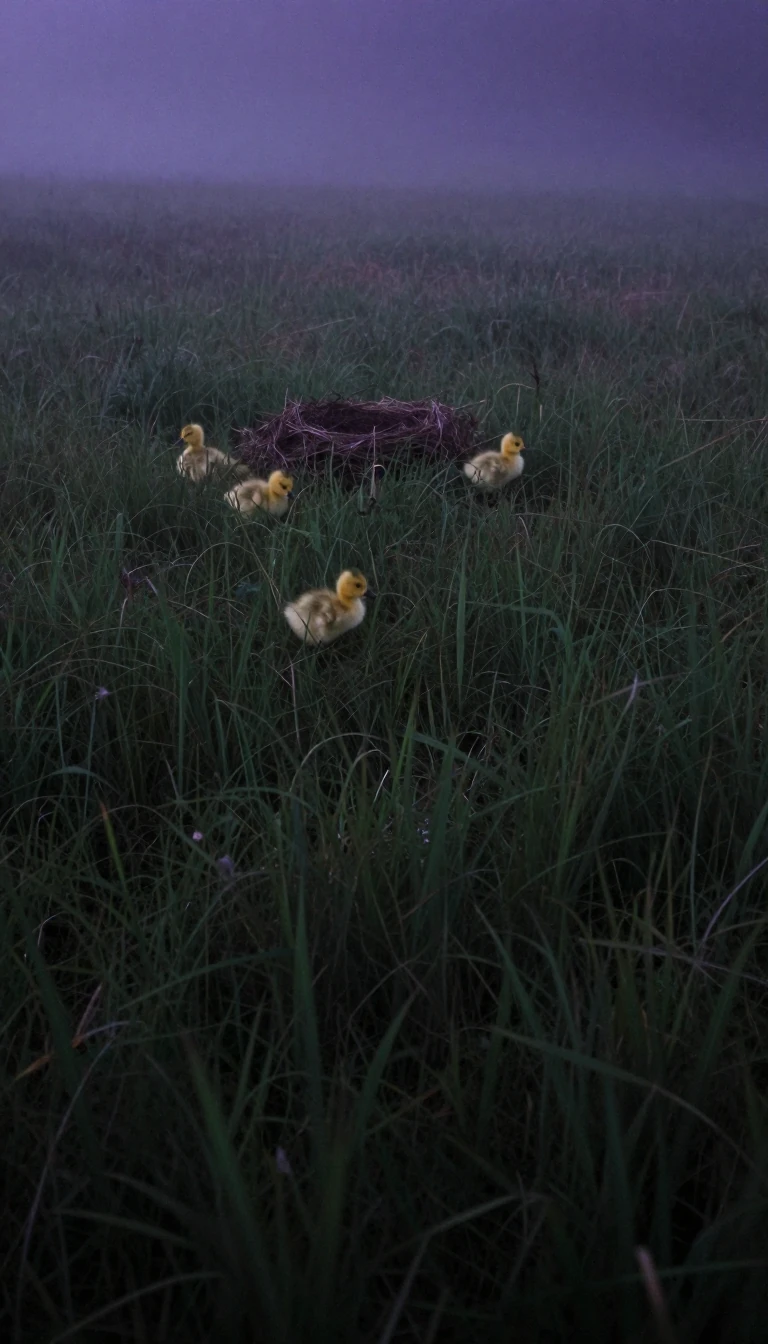
In short: Fowl are not just farmyard staples; they are a resilient evolutionary lineage known as Galloanserae. Emerging 85 million years ago, these birds survived the mass extinction that claimed the non-avian dinosaurs. Today, they remain one of the most successful groups of modern birds, defined by remarkable reproductive and biological adaptations.
The fowl clade, or Galloanserae, unites two distinct groups: the landfowl (Galliformes) and the waterfowl (Anseriformes). While they appear ecologically diverse, they share a common evolutionary history supported by DNA sequence data, morphological traits, and retrotransposon markers. Their origin is estimated to date back to 85 million years ago, placing them as contemporaries of non-avian dinosaurs. Fossil evidence, such as the discovery of Vegavis, confirms that early, now-extinct waterfowl lived alongside dinosaurs during the Cretaceous period.
These birds are biologically prolific, frequently laying clutches of over five or even 10 eggs—a high number compared to pigeons or birds of prey. Their young are notably precocious; Anseriform hatchlings can swim and dive within hours of birth, while some megapodes are capable of flight almost immediately upon emerging from their nest mounds. Furthermore, the group is characterized by a high frequency of hybridization, which often complicates genetic research into their specific relationships.
Anatomical differences between the two groups reflect their specialized lifestyles. Waterfowl have evolved flat bills and webbed feet, the latter featuring a sophisticated countercurrent heat exchange system that minimizes energy loss in cold environments. In contrast, landfowl like chickens are digitigrade, relying on strong legs for ground-based movement. While the term 'fowl' is often used interchangeably with 'poultry' in casual speech, the scientific distinction remains vital for understanding this unique, enduring lineage that successfully navigated the transition into the modern avian era.
The success of the Galloanserae is underscored by their ability to adapt to diverse environments. While Galliformes remain morphologically conservative, Anseriformes have developed advanced filter-feeding systems. Despite past debates regarding their classification, the consensus among scientists is that these birds form a genuine evolutionary lineage, representing a rare success story of survival from the Mesozoic Era to the present day.
Opens the Intellect+ feed with this card first. Swipe up for the next one.
Sources
- Summary by Intellect · source: Fowl
To cite this card, link to https://intellectplus.co.uk/app/science-fowl.
How we source, check and correct cards: Editorial standards.
General information, not professional advice. Spotted an error? Flag the card or see corrections and complaints.
Intellect Plus is a visual educational discovery platform for exploring fascinating facts and ideas. Brain Food, Not Brain Rot. What is Intellect Plus?
Related
More in Human body & genes · More in Science · Latest · A–Z · All topics
