Why freezing liquids can be a more effective way to purify them than boiling
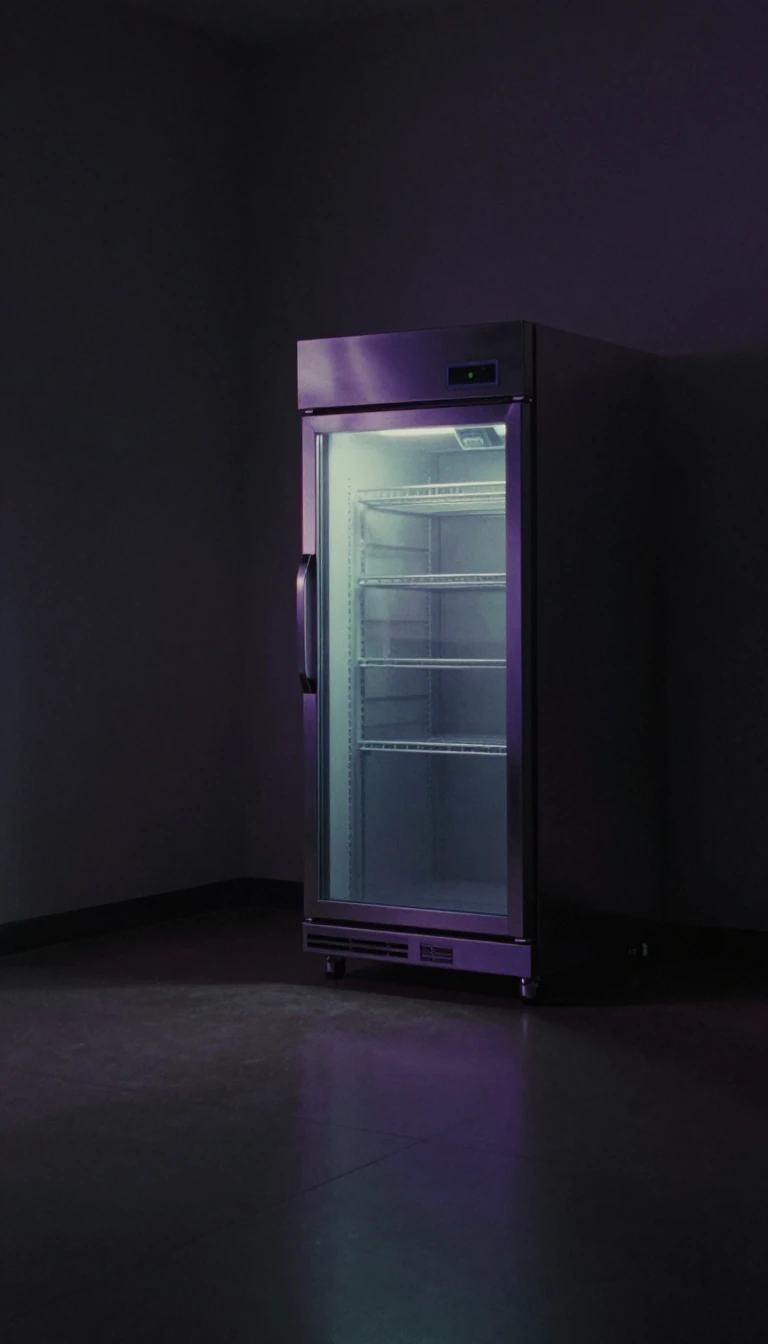
In short: Fractional freezing separates substances by exploiting their different melting points, rather than their boiling points. By cooling a mixture until one component crystallizes, you can isolate ultra-pure solids or concentrate heat-sensitive liquids. It is a surprisingly simple, low-energy alternative to traditional distillation that avoids the damaging effects of high heat.
At its core, fractional freezing relies on the physical behavior of mixtures as they transition from liquid to solid. When a solution is cooled, components often freeze at different temperatures. By carefully controlling this process—either through partial crystallization of a liquid or partial melting of a solid—engineers can isolate specific fractions. This is particularly valuable for heat-sensitive substances like fruit juices, which might degrade if subjected to the high temperatures required for standard evaporation-based concentration.
The technique is perhaps most famous for its role in creating concentrated beverages like applejack and ice beer. Because ethanol is practically insoluble in water ice, cooling a fermented mixture causes pure water to freeze out first, leaving behind a liquid enriched with alcohol. While this 'freeze distillation' is far simpler than traditional heat distillation, it comes with a significant caveat: it does not remove impurities. In fact, it concentrates them alongside the alcohol, which historically led to intense hangovers and the colloquial term 'apple palsy' among drinkers of concentrated cider.
Beyond beverages, the process has critical industrial and environmental applications. It is used to refine silicon and metals through zone refining and to improve the performance of alternative fuels like biodiesel by removing esters that have high gel points. In nature, the same mechanism drives the desalination of sea water. As salt water freezes, it undergoes 'brine rejection,' where salt is forced out of the forming ice. By melting the resulting ice or allowing the salt-rich brine to drain away, the remaining water becomes significantly less saline, demonstrating how a simple phase change can effectively purify complex mixtures.
Opens the Intellect+ feed with this card first. Swipe up for the next one.
Sources
- Summary by Intellect · source: Fractional freezing
To cite this card, link to https://intellectplus.co.uk/app/science-fractional-freezing.
How we source, check and correct cards: Editorial standards.
General information, not professional advice. Spotted an error? Flag the card or see corrections and complaints.
Intellect Plus is a visual educational discovery platform for exploring fascinating facts and ideas. Brain Food, Not Brain Rot. What is Intellect Plus?
Related
More in Separation processes · More in Science · Latest · A–Z · All topics
