Was the father of phrenology a visionary scientist or a discredited buffoon?
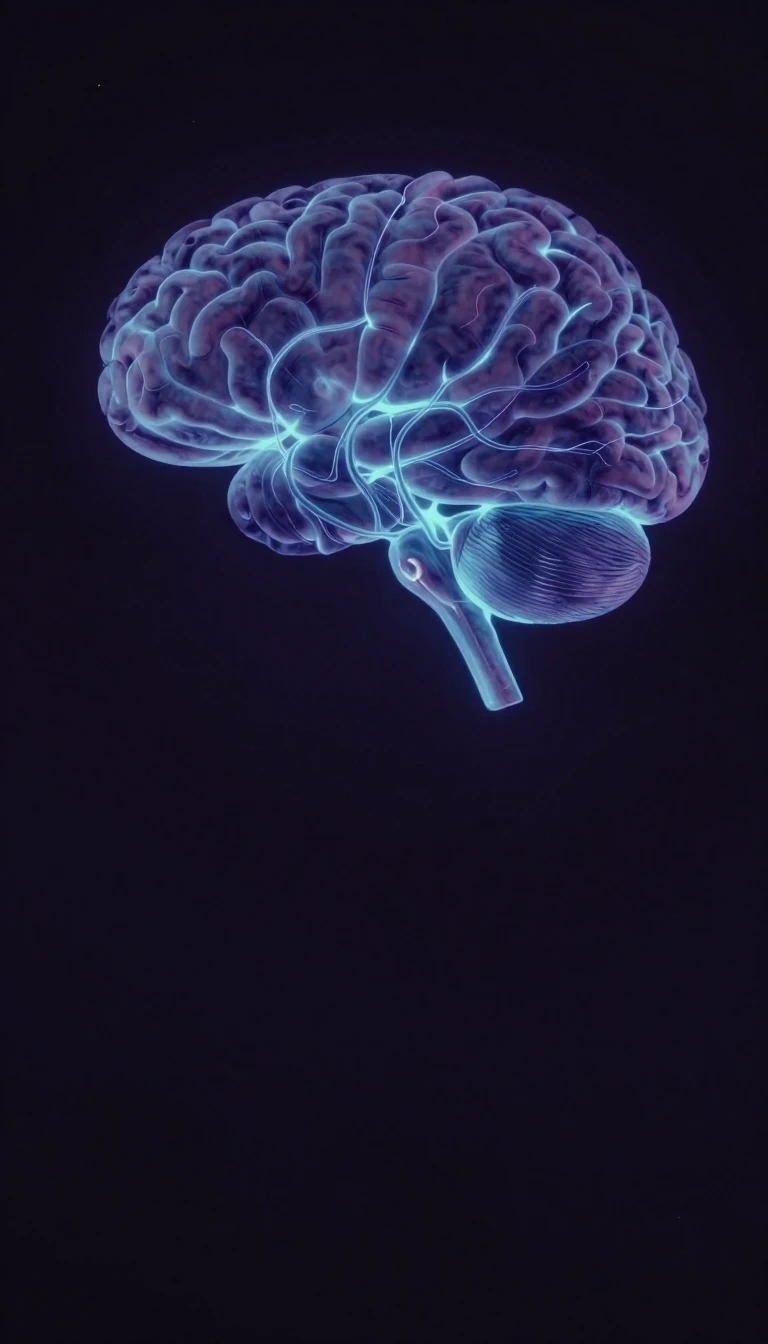
In short: Franz Joseph Gall is often remembered as a charlatan who read personality traits from skull bumps. Yet, this 19th-century physician was a serious researcher whose pioneering ideas on brain localization helped lay the groundwork for modern neuroscience. His legacy is far more complex than the pseudoscience that bears his name.
Born in 1758, Franz Joseph Gall was a German physician who sought to move beyond the metaphysical explanations of the mind common in his era. He proposed that the brain is the organ of the mind and that specific mental functions are localized in distinct cortical areas. While he famously believed that the skull's shape mirrored the brain's development—a theory known as organology—his underlying commitment to empirical, comparative research was ahead of its time. He conducted extensive studies on humans and animals, including dissections and observations in asylums and prisons, to test his hypotheses.
Gall identified 27 innate human faculties, ranging from mechanical ability and poetic talent to more controversial traits like a murder instinct. He argued that the size of these cerebral regions indicated the strength of the corresponding faculty. Although his reliance on cranial features was fundamentally flawed, he correctly identified the areas for language and word memory. His methodology, which involved meticulous brain dissection by separating individual fibers rather than random slicing, significantly advanced neuroanatomy and influenced future scientific inquiry.
The term 'phrenology' was not coined by Gall, but by his assistant Johann Spurzheim, who later expanded the system into a more rigid and popular framework that Gall eventually disavowed. While phrenology was later discredited, Gall’s broader ambition to account for individual and species differences through biological observation remains a cornerstone of behavioral science. Today, historians recognize him as a complex figure whose revolutionary focus on brain structure helped shift the study of human nature toward a naturalistic, scientific foundation.
Gall’s work had a profound impact on 19th-century culture, influencing fields as diverse as philosophy, medicine, and the arts. Figures like Mark Twain were affected by the phrenological craze that followed his initial research. Despite the lampooning of his craniology, Gall’s insistence on the brain as the seat of all mental activity and his pursuit of specialized functional areas remain central tenets of modern neuroscience, proving that his scientific instincts were often sharper than his specific diagnostic tools.
Opens the Intellect+ feed with this card first. Swipe up for the next one.
Sources
- Summary by Intellect · source: Franz Joseph Gall and the Origins of Phrenology
- Also: Franz Joseph Gall | Phrenology, Neuroanatomy, Craniology | Britannica
- Also: Franz Joseph Gall · Talking Heads · OnView
- Also: Franz Joseph Gall
To cite this card, link to https://intellectplus.co.uk/app/science-franz-joseph-gall.
How we source, check and correct cards: Editorial standards.
General information, not professional advice. Spotted an error? Flag the card or see corrections and complaints.
Intellect Plus is a visual educational discovery platform for exploring fascinating facts and ideas. Brain Food, Not Brain Rot. What is Intellect Plus?
Related
More in Pseudoscientists · More in Science · Latest · A–Z · All topics
