The largest family of human membrane proteins controls everything from vision to heart rate.
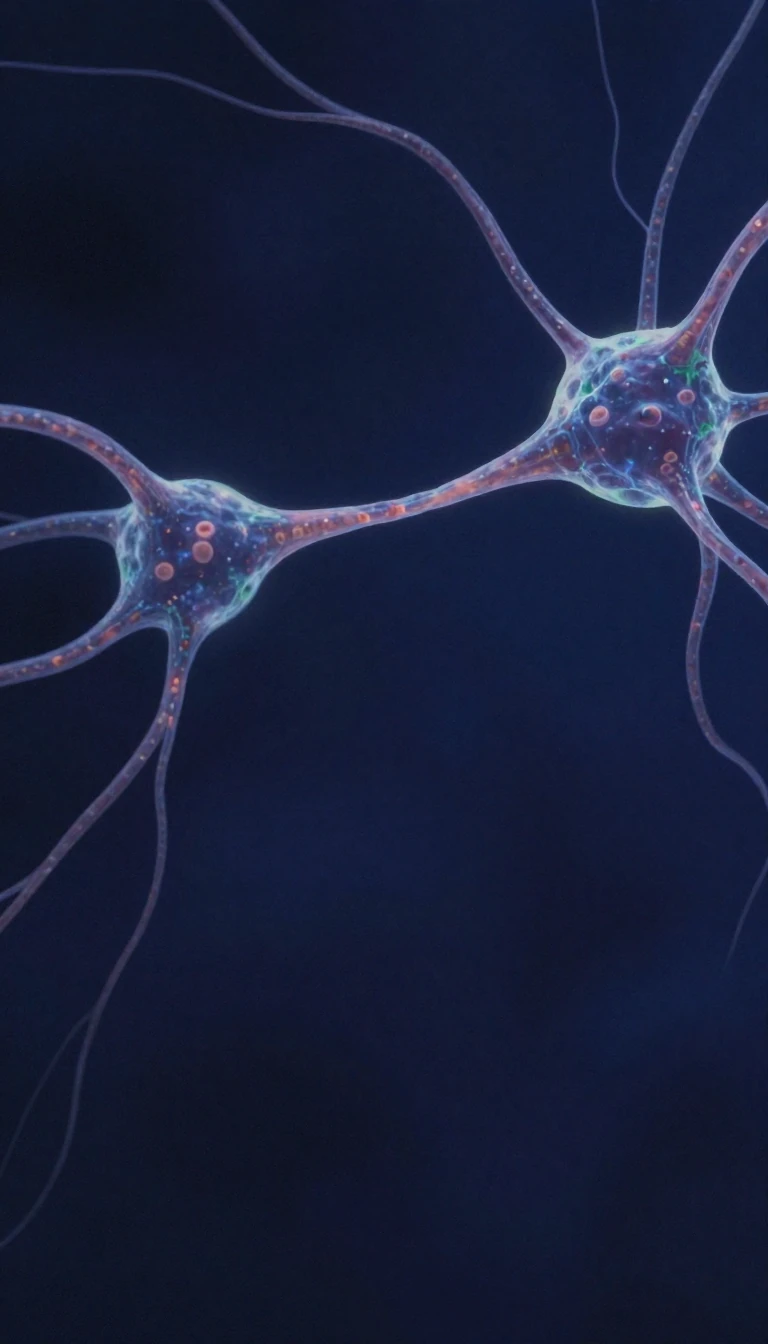
In short: G protein-coupled receptors are the body's primary signal transducers, acting as cellular gatekeepers that translate external stimuli into internal action. Encoded by roughly 800 to 1,000 genes, these versatile proteins are the target for about 34% of all FDA-approved drugs, making them a cornerstone of modern pharmaceutical science.
G protein-coupled receptors (GPCRs) are defined by their unique structure: a single protein chain that winds through the cell membrane seven times, forming a serpentine shape. This architecture allows them to detect a vast array of extracellular signals, including light, hormones, neurotransmitters, and lipids. When a ligand binds to the receptor, it triggers a conformational shift in the transmembrane helices, activating the receptor's intracellular portion. This, in turn, recruits and activates G proteins, initiating a cascade of intracellular reactions that regulate vital physiological processes.
The journey to understanding these receptors has been a century-long endeavor. While early pharmacological studies in the 1900s hinted at the existence of 'receptive substances,' the molecular details remained elusive for decades. A major breakthrough occurred in 2000 with the first X-ray crystal structure of rhodopsin, followed in 2007 by the structure of the β2-adrenergic receptor. These achievements, led by researchers like Robert J. Lefkowitz and Brian K. Kobilka, earned them the 2012 Nobel Prize in Chemistry and provided a template for structure-based drug design.
Today, GPCR research is shifting toward more sophisticated therapeutic strategies. Traditional orthosteric drugs, which compete with endogenous ligands, often struggle with subtype selectivity, leading to unwanted side effects. Scientists are now exploring allosteric modulators—compounds that bind to different sites on the receptor—and bitopic ligands, which target both orthosteric and allosteric sites simultaneously. By leveraging advanced techniques like cryo-electron microscopy, researchers can now visualize these complex, dynamic states, opening new doors for treating cardiovascular disease, mental health disorders, and cancer with greater precision and fewer side effects.
Opens the Intellect+ feed with this card first. Swipe up for the next one.
Sources
- Summary by Intellect · source: G protein-coupled receptors (GPCRs): advances in structures, mechanisms and drug discovery - Signal Transduction and Targeted Therapy
- Also: G Protein-Coupled Receptors: A Century of Research and Discovery
- Also: G protein-coupled receptor (GPCR) | Britannica
- Also: G protein-coupled receptor
To cite this card, link to https://intellectplus.co.uk/app/science-g-protein-coupled-receptor.
How we source, check and correct cards: Editorial standards.
General information, not professional advice. Spotted an error? Flag the card or see corrections and complaints.
Intellect Plus is a visual educational discovery platform for exploring fascinating facts and ideas. Brain Food, Not Brain Rot. What is Intellect Plus?
Related
More in Medicines · More in Health · Latest · A–Z · All topics
