Receptors are the biological locks that translate chemical signals into cellular action.
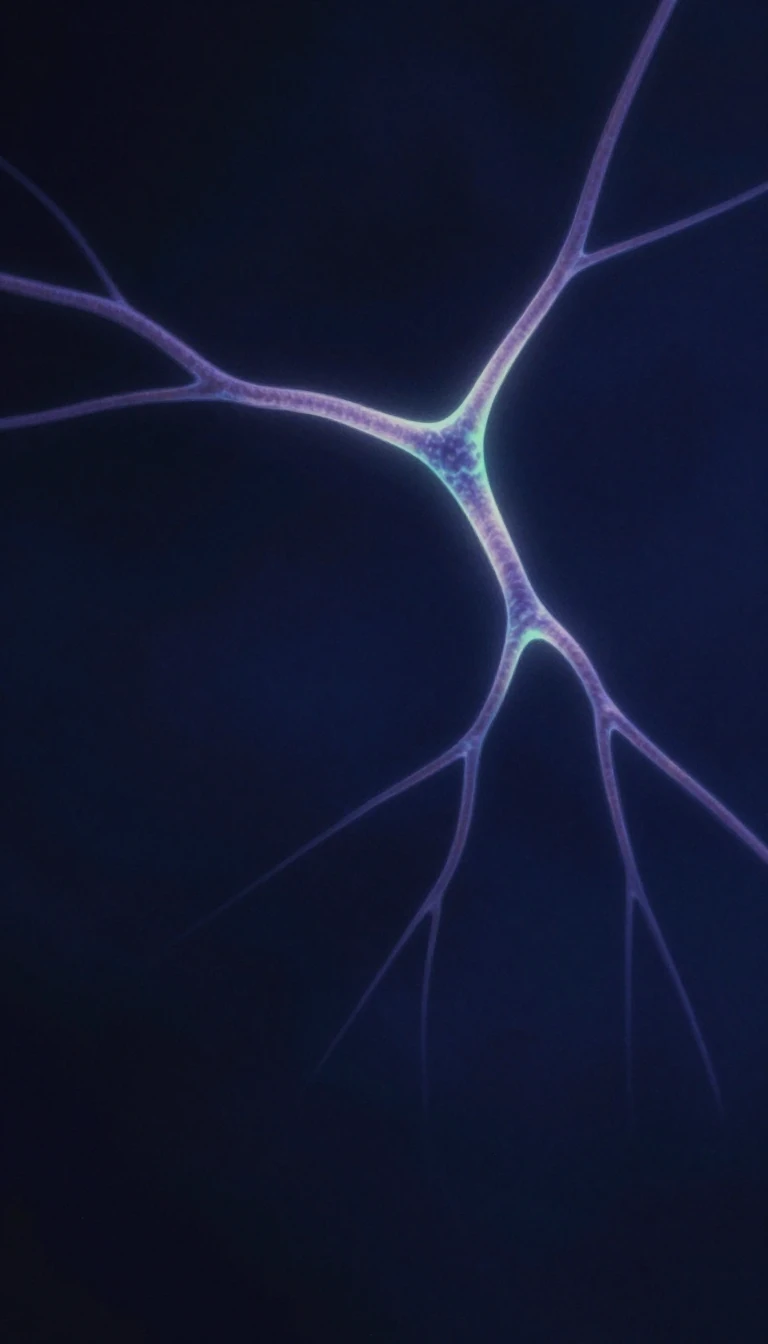
In short: Receptors are specialized proteins that act as cellular gatekeepers, receiving chemical messages and triggering precise physiological responses. From neurotransmitters to hormones, these proteins dictate how cells communicate. Understanding how they bind, activate, or block signals reveals the fundamental mechanics behind everything from muscle contraction to the regulation of metabolism.
At their core, receptors function like locks awaiting a specific key, known as a ligand. When a ligand—such as a hormone, neurotransmitter, or drug—binds to a receptor, it initiates a cascade of biochemical events. This process is classified by how the signal is handled: it may be relayed, amplified, or integrated into existing pathways. The strength of this interaction is defined by two properties: affinity, the tendency of a ligand to bind, and efficacy, its ability to trigger a response once bound.
Receptors are categorized by their location and structure. Transmembrane receptors, like the vast family of G protein-coupled receptors (GPCRs), span the cell membrane to detect external signals. Others, such as nuclear receptors, reside within the cell, often migrating to the nucleus to influence gene expression. These structures are highly specialized; for instance, ligand-gated ion channels alter ion movement across membranes, while kinase-linked receptors use enzymatic functions to propagate signals. Biophysical techniques like X-ray crystallography and computer simulations allow scientists to map these complex, dynamic behaviors.
The relationship between ligand and receptor is not always straightforward. While full agonists trigger a maximal response, partial agonists produce only a fraction of that effect. Antagonists, conversely, bind to receptors to block them, sometimes irreversibly, as seen with the proton pump inhibitor omeprazole. Even more nuanced are inverse agonists, which reduce a receptor's constitutive activity—its baseline level of signaling in the absence of any ligand. This constitutive activity is crucial; mutations that increase it can lead to inherited conditions like hyperthyroidism or precocious puberty.
Cells maintain balance through feedback mechanisms like upregulation and downregulation, adjusting receptor density to modulate sensitivity. Some systems even feature 'spare receptors,' where a maximal biological response is achieved with less than 1% occupancy, creating an efficient economy of signaling. Whether through the Rate Theory, which emphasizes the frequency of molecular encounters, or the traditional Occupation Theory, the study of these interactions remains central to pharmacology and our understanding of life at the molecular level.
Opens the Intellect+ feed with this card first. Swipe up for the next one.
Sources
- Summary by Intellect · source: Receptor (biochemistry)
To cite this card, link to https://intellectplus.co.uk/app/science-receptor-biochemistry.
How we source, check and correct cards: Editorial standards.
General information, not professional advice. Spotted an error? Flag the card or see corrections and complaints.
Intellect Plus is a visual educational discovery platform for exploring fascinating facts and ideas. Brain Food, Not Brain Rot. What is Intellect Plus?
Related
More in Cell biology · More in Science · Latest · A–Z · All topics
