How cells translate external signals into internal action using a clever molecular messenger system
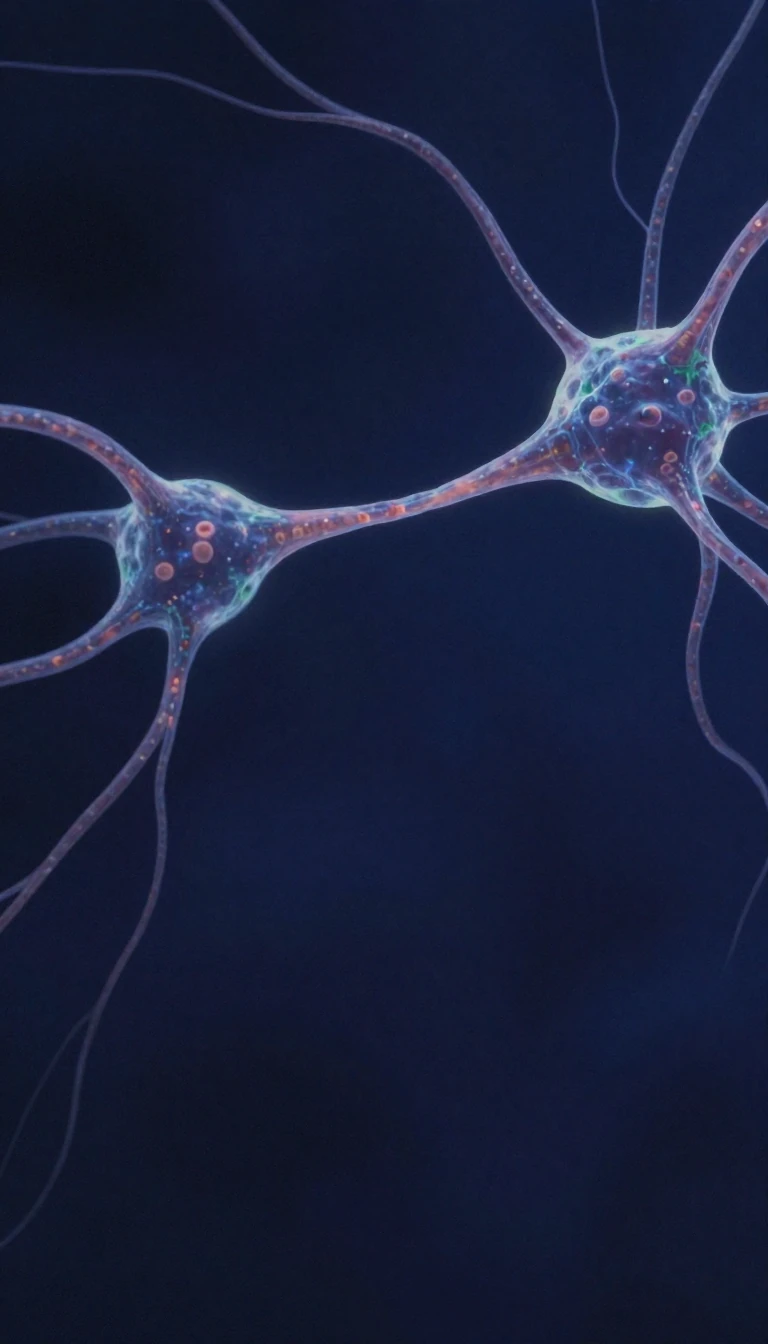
In short: Cells cannot always read external signals directly. To bridge the gap, they use second messengers—tiny molecules that relay information from surface receptors to the cell interior. This rapid, internal communication system allows cells to respond instantly to hormones and neurotransmitters, governing everything from heart rate to muscle contraction.
The concept of the second messenger was developed to distinguish intracellular signaling molecules from the hormones or neurotransmitters—the first messengers—that arrive from outside the cell. Because many first messengers are hydrophilic, they cannot cross the cell's lipid bilayer. Instead, they bind to surface receptors, triggering a cascade that produces or releases a second messenger within the cytoplasm. This process, which earned Earl Wilbur Sutherland Jr. a Nobel Prize in 1971, allows a single external signal to be amplified and propagated throughout the cell.
Second messengers are diverse, ranging from cyclic nucleotides like cAMP and cGMP to ions like calcium and even gases such as nitric oxide. Their small size allows them to diffuse rapidly, ensuring that biological information moves quickly across the cytoplasm. Some, like calcium, are stored in organelles and released upon demand, while others are synthesized by enzymes like adenylyl cyclase. For instance, when epinephrine binds to a beta-adrenergic receptor, it activates a G-protein, which in turn stimulates the production of cAMP. This cAMP then propagates the signal, leading to physiological effects like increased heart contraction.
The system is highly integrated. Second messengers can have multiple downstream targets, allowing a single signal to influence various cellular processes simultaneously. Furthermore, the cell can tightly control these signals by regulating the synthesis and degradation of these molecules. Caffeine, for example, exerts its stimulatory effect by inhibiting phosphodiesterase, an enzyme that normally breaks down cAMP. By preventing this degradation, caffeine enhances the duration and intensity of the cAMP signal, demonstrating how precisely these internal pathways can be modulated to alter cellular behavior.
Beyond simple propagation, these systems allow for sophisticated signal integration. Because multiple upstream inputs can influence the concentration of a single second messenger, the cell can effectively weigh different signals before committing to a response. Whether through the rapid influx of calcium ions or the diffusion of nitric oxide across neighboring cell membranes, these messengers serve as the essential translators of the biological world, turning external environmental cues into specific, life-sustaining actions.
Opens the Intellect+ feed with this card first. Swipe up for the next one.
Sources
- Summary by Intellect · source: Second messenger | Cyclic AMP, Calcium & Phospholipase C | Britannica
- Also: Second messenger system
To cite this card, link to https://intellectplus.co.uk/app/science-second-messenger-system.
How we source, check and correct cards: Editorial standards.
General information, not professional advice. Spotted an error? Flag the card or see corrections and complaints.
Intellect Plus is a visual educational discovery platform for exploring fascinating facts and ideas. Brain Food, Not Brain Rot. What is Intellect Plus?
Related
More in Cell biology · More in Science · Latest · A–Z · All topics
