Your body is a sugar-coated machine, and it relies on glycoproteins to function.
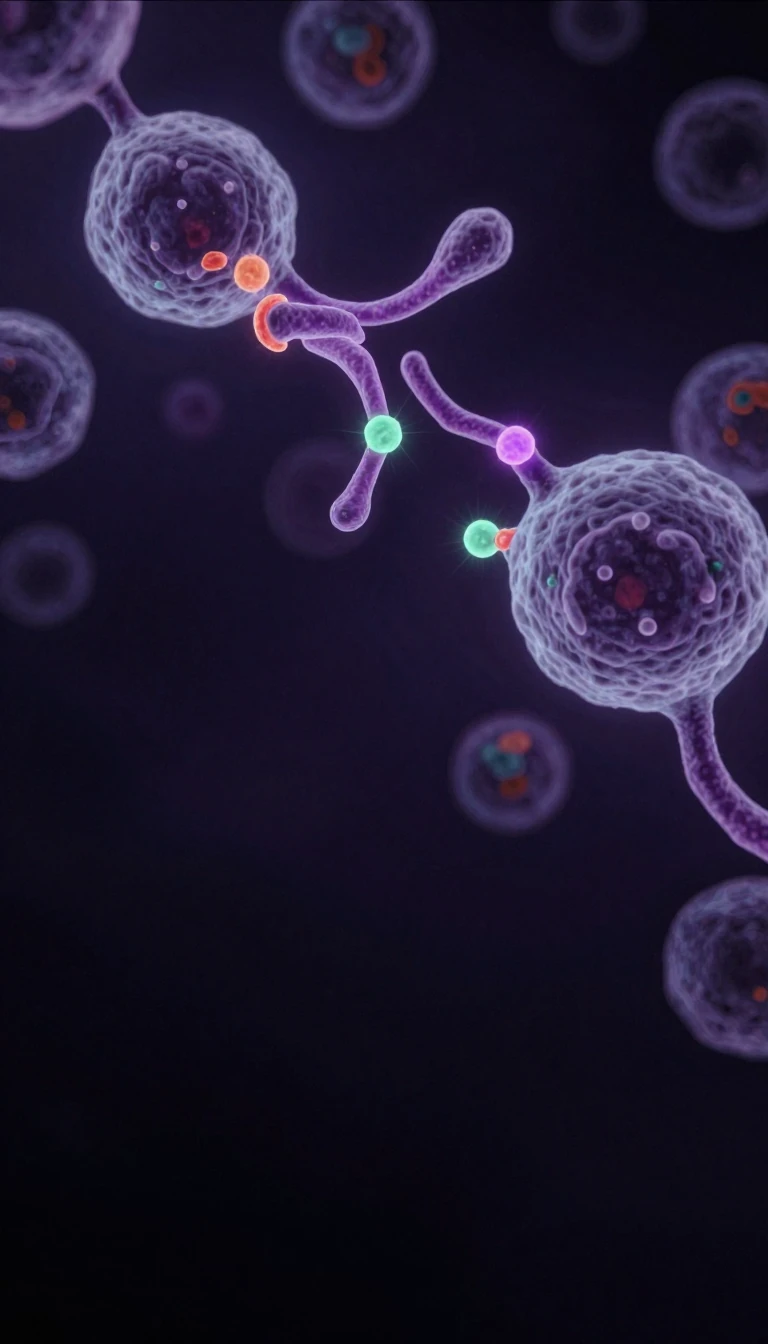
In short: Glycoproteins are proteins decorated with sugar chains, a modification that occurs in roughly half of all human proteins. These molecular hybrids are essential for everything from cell signaling and immune recognition to the structural integrity of your tissues. Without these sugar-coated proteins, your body simply could not hold itself together.
Glycosylation is the process of covalently attaching oligosaccharide chains to amino acid side-chains, typically occurring after a protein is synthesized. This modification is not merely decorative; it is a fundamental regulatory mechanism. By altering a protein's solubility, polarity, and folding, these sugar groups dictate how a protein behaves within the complex environment of a cell. For instance, dense sugar coatings can physically shield proteins from being broken down by digestive enzymes, a property that makes mucins in your respiratory and digestive tracts highly resistant to proteolysis.
The diversity of these molecules is staggering, with carbohydrate content ranging from 1% to 70% of a glycoprotein's total mass. While N-linked and O-linked glycosylation are the most common forms, there are several other types, including C-glycosylation and glypiation, which anchors proteins to cell membranes. This structural variety allows glycoproteins to serve as everything from hormones and antibodies to the structural scaffolding of connective tissue. In the immune system, they are the key to identity, facilitating white blood cell recognition and determining blood types through antigens like the ABO system.
Beyond normal physiology, glycoproteins are central to both disease and medicine. HIV, for example, uses a heavily glycosylated viral spike to evade the immune system, masking its protein core with 'self' sugars. Conversely, researchers are now targeting these same glycans for vaccine design. In oncology, P-glycoproteins can pump anti-cancer drugs out of tumor cells, rendering chemotherapy less effective. Understanding these mechanisms has turned glycomics into a vital field, with scientists using mass spectrometry to map these structures and developing recombinant methods—often using Chinese hamster ovary cells—to synthesize therapeutic glycoproteins for treating conditions like Crohn's disease and high cholesterol.
Opens the Intellect+ feed with this card first. Swipe up for the next one.
Sources
- Summary by Intellect · source: Glycoprotein
To cite this card, link to https://intellectplus.co.uk/app/science-glycoprotein.
How we source, check and correct cards: Editorial standards.
General information, not professional advice. Spotted an error? Flag the card or see corrections and complaints.
Intellect Plus is a visual educational discovery platform for exploring fascinating facts and ideas. Brain Food, Not Brain Rot. What is Intellect Plus?
Related
More in Biochemistry · More in Science · Latest · A–Z · All topics
