From ancient olive presses to a modern center of global education
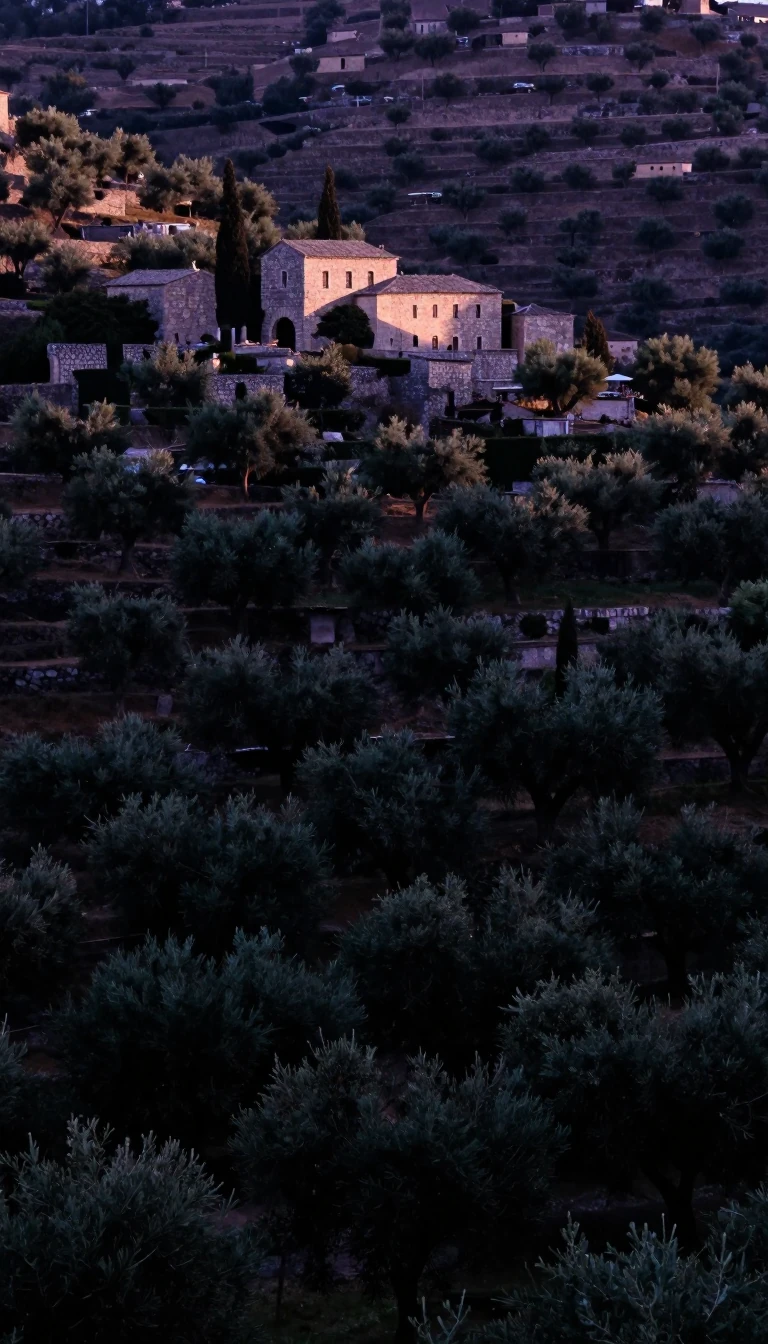
In short: Hidden beneath the modern streets of Hod HaSharon lies a 1,300-year-old commercial olive oil factory. This site reveals a history of organized production that predates the city's 20th-century roots, shifting from a wild forest to a hub of international exchange.
The landscape of Hod HaSharon has undergone a radical transformation. Before the 20th century, the area was part of the Forest of Sharon, an open woodland dominated by Mount Tabor oak trees. While local Arab inhabitants traditionally used the land for firewood, pasture, and intermittent cultivation, the 19th century saw a period of intense settlement and agriculture. This shift led to significant deforestation and environmental degradation, fundamentally altering the region's ecological character.
The modern city was forged through a series of mergers starting in 1964. It combined four moshavot: Magdiel, founded in 1924 by Ashkenazi families; Ramatayim, established in 1925 on two hills; Kfar Hadar, a citrus-focused settlement founded in 1927; and Ramat Hadar, established in 1938 by German immigrants fleeing the Nazis. These communities were built on principles ranging from private initiative to specific agricultural goals, eventually merging into a single local council before being declared a city in 1990.
Today, Hod HaSharon serves as a sophisticated center for global interaction and education. It hosts the Alexander Muss High School in Israel, which facilitates a unique international program. Students from the United States, Canada, and Los Angeles travel to the city to spend months studying in Israel. This modern role as a gateway for global youth stands in stark contrast to the area's ancient past, where archaeological sites like Tel Qana and the 1,300-year-old olive oil press indicate a long history of commercial and cultural activity.
The city's geography also reflects a balance between urban development and nature. It features the largest ecological lake in Israel, spanning approximately 27,000 square meters, and a park built on a former municipal landfill. This site provides a vantage point overlooking the Mediterranean coastline and the surrounding settlements, marking the evolution of the Sharon Plain from a wild forest to a densely populated, multi-layered historical site.
Opens the Intellect+ feed with this card first. Swipe up for the next one.
Sources
- Summary by Intellect · source: Hod HaSharon
To cite this card, link to https://intellectplus.co.uk/app/science-hod-hasharon.
How we source, check and correct cards: Editorial standards.
General information, not professional advice. Spotted an error? Flag the card or see corrections and complaints.
Intellect Plus is a visual educational discovery platform for exploring fascinating facts and ideas. Brain Food, Not Brain Rot. What is Intellect Plus?
Related
More in Physics · More in Science · Latest · A–Z · All topics
