Why do ships float and pipes burst? The silent physics of fluids at rest
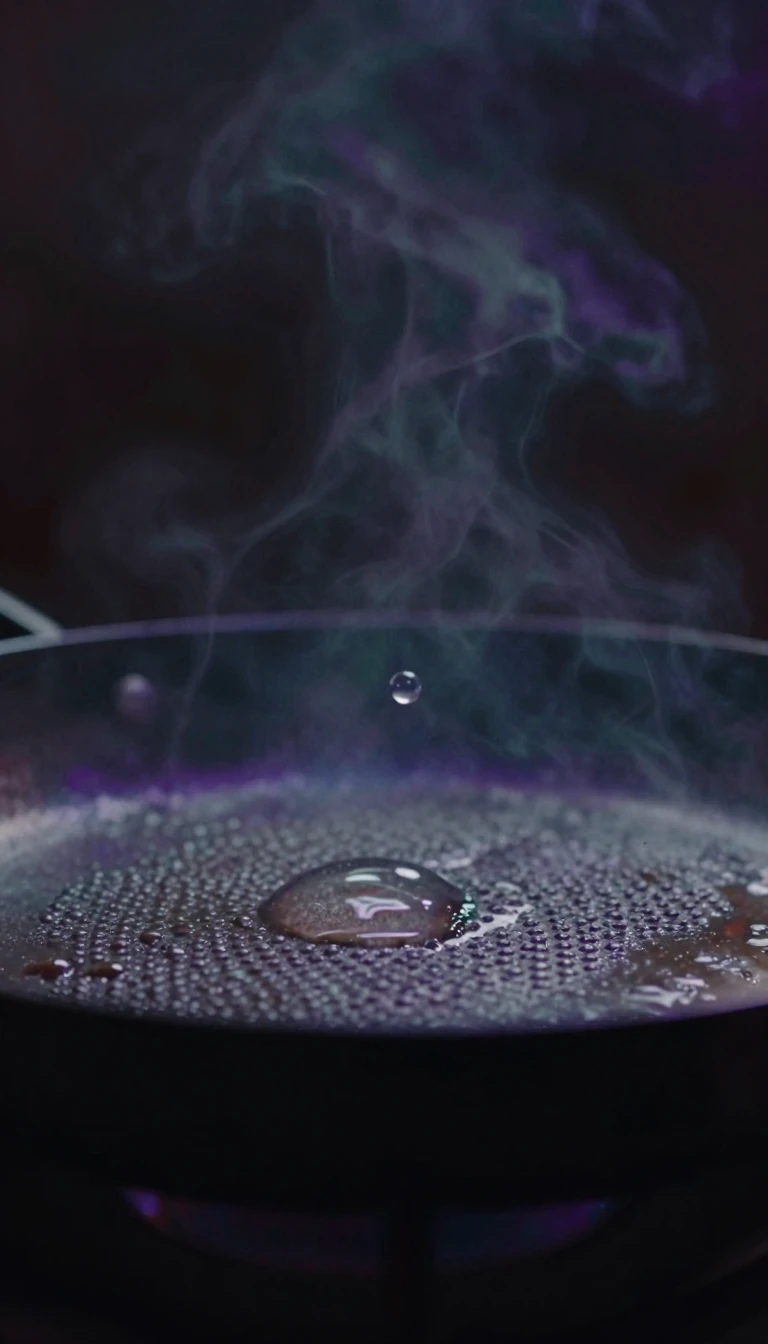
In short: Hydrostatics is the study of fluids in equilibrium, governing everything from the buoyancy of ships to the pressure in your blood. While we often associate it with water, it applies to all fluids, including gases. Understanding these forces explains why the atmosphere thins at altitude and how liquids behave.
At its core, hydrostatics examines fluids that are not in motion. Whether liquid or gas, these fluids exert pressure on immersed objects and on the containers that hold them. This field is essential for engineering, from the design of ancient aqueducts to modern pressure vessels. It provides the physical basis for phenomena we observe daily, such as why oil floats on water or why the surface of a still pond remains level relative to the Earth's curvature.
The history of the field stretches back to antiquity. Builders of early cisterns and fountains relied on empirical knowledge, but formal understanding evolved over centuries. Archimedes famously identified the buoyancy principle, while the Roman engineer Vitruvius cautioned against the dangers of lead pipes failing under hydrostatic pressure. By 1647, Blaise Pascal formulated the fundamental law of fluid pressure, which states that any pressure applied to a fluid is transmitted uniformly in all directions, a principle that remains a cornerstone of modern hydraulics.
Beyond basic pressure, hydrostatics accounts for complex behaviors like surface tension and capillary action. In small-scale environments, surface tension allows for the formation of droplets and drives the movement of water through plant xylem. Devices like the Pythagorean cup and Heron's fountain demonstrate how clever engineering can manipulate these hydrostatic principles to create surprising effects. Today, the field remains vital across diverse disciplines, including geophysics, where it helps scientists model plate tectonics, and medicine, where it is used to understand blood pressure dynamics.
Opens the Intellect+ feed with this card first. Swipe up for the next one.
Sources
- Summary by Intellect · source: Hydrostatics
To cite this card, link to https://intellectplus.co.uk/app/science-hydrostatics.
How we source, check and correct cards: Editorial standards.
General information, not professional advice. Spotted an error? Flag the card or see corrections and complaints.
Intellect Plus is a visual educational discovery platform for exploring fascinating facts and ideas. Brain Food, Not Brain Rot. What is Intellect Plus?
Related
More in Mechanics · More in Science · Latest · A–Z · All topics
