Hygroscopy is the natural ability of materials to pull water directly from the air.
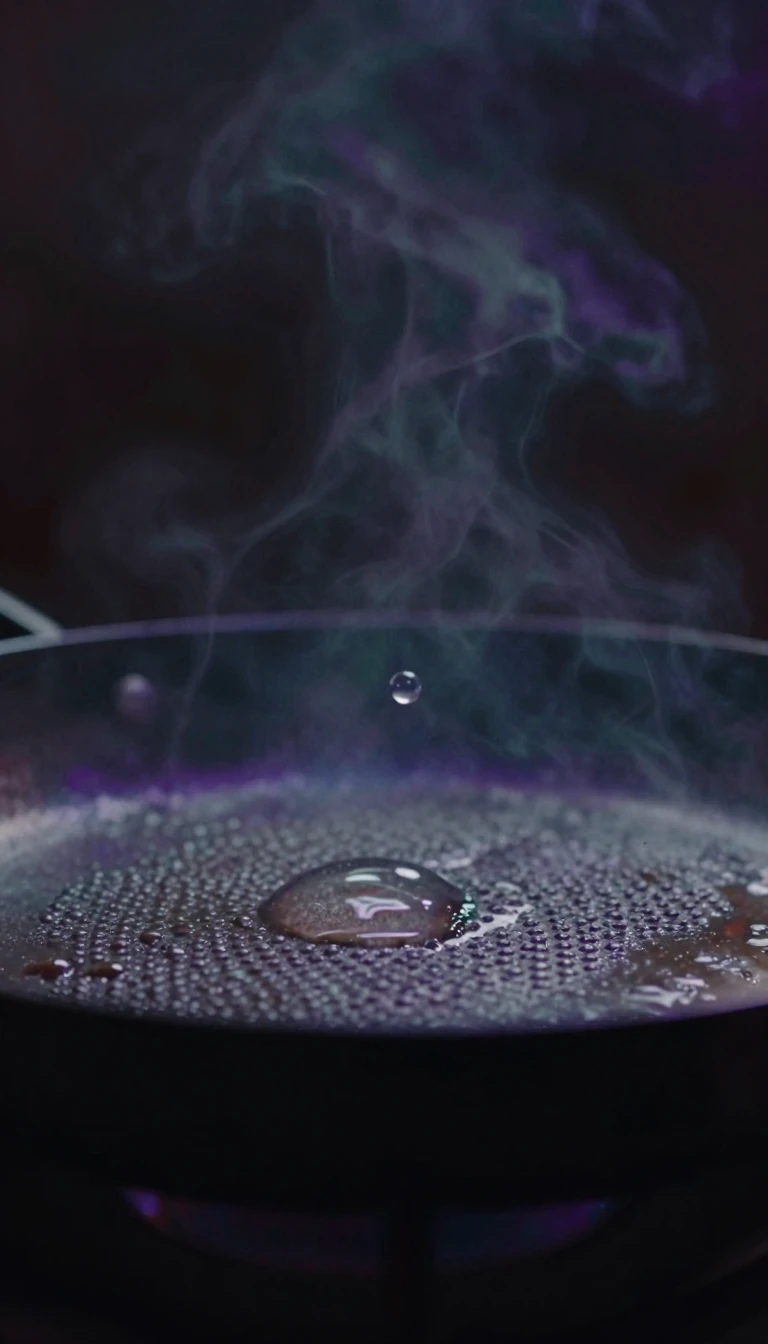
In short: From salt shakers that clump in humid weather to the complex mechanisms that allow pinecones to open and seeds to bury themselves, hygroscopy is a fundamental physical process. It is the silent, constant interaction between materials and atmospheric moisture, shaping everything from industrial engineering to the survival strategies of plants.
Hygroscopy is the phenomenon where a substance attracts and retains water molecules from its surrounding environment, typically at room temperature. This process occurs through either absorption or adsorption. When a material is hygroscopic, its physical properties—such as volume, viscosity, or boiling point—can change as it takes on moisture. A extreme subset of this behavior is deliquescence, where a material absorbs so much water that it eventually dissolves into an aqueous solution.
In the natural world, hygroscopy is a vital biological tool. Plants and animals have evolved to exploit these moisture-driven movements for hydration, reproduction, and dispersal. For instance, the waxy monkey tree frog uses hygroscopic secretions to reduce water loss, while orb-weaving spiders rely on hygroscopic hydrogels to keep their capture silk tacky. Plants use hygromorphic hinges—structures made of dead, moisture-responsive cells—to open seed pods, release spores, or even drill seeds into the ground through repetitive twisting and bending motions.
Engineers and chemists must account for these properties in materials science, as hygroscopy can lead to stress in composite structures or the degradation of polymers like nylon. Because there is no universal quantitative definition for the term, classification often depends on context; for example, pharmaceutical standards may label a substance hygroscopic if it gains more than 5% of its mass under specific humidity conditions. Whether in the form of cloud condensation nuclei in the atmosphere or as a desiccant in industrial drying tubes, this affinity for water remains a critical, often invisible, force in both nature and technology.
Opens the Intellect+ feed with this card first. Swipe up for the next one.
Sources
- Summary by Intellect · source: Hygroscopy
To cite this card, link to https://intellectplus.co.uk/app/science-hygroscopy.
How we source, check and correct cards: Editorial standards.
General information, not professional advice. Spotted an error? Flag the card or see corrections and complaints.
Intellect Plus is a visual educational discovery platform for exploring fascinating facts and ideas. Brain Food, Not Brain Rot. What is Intellect Plus?
Related
More in Separation processes · More in Science · Latest · A–Z · All topics
