How a prominent Victorian portraitist replaced traditional religious faith with a utilitarian ethical framework
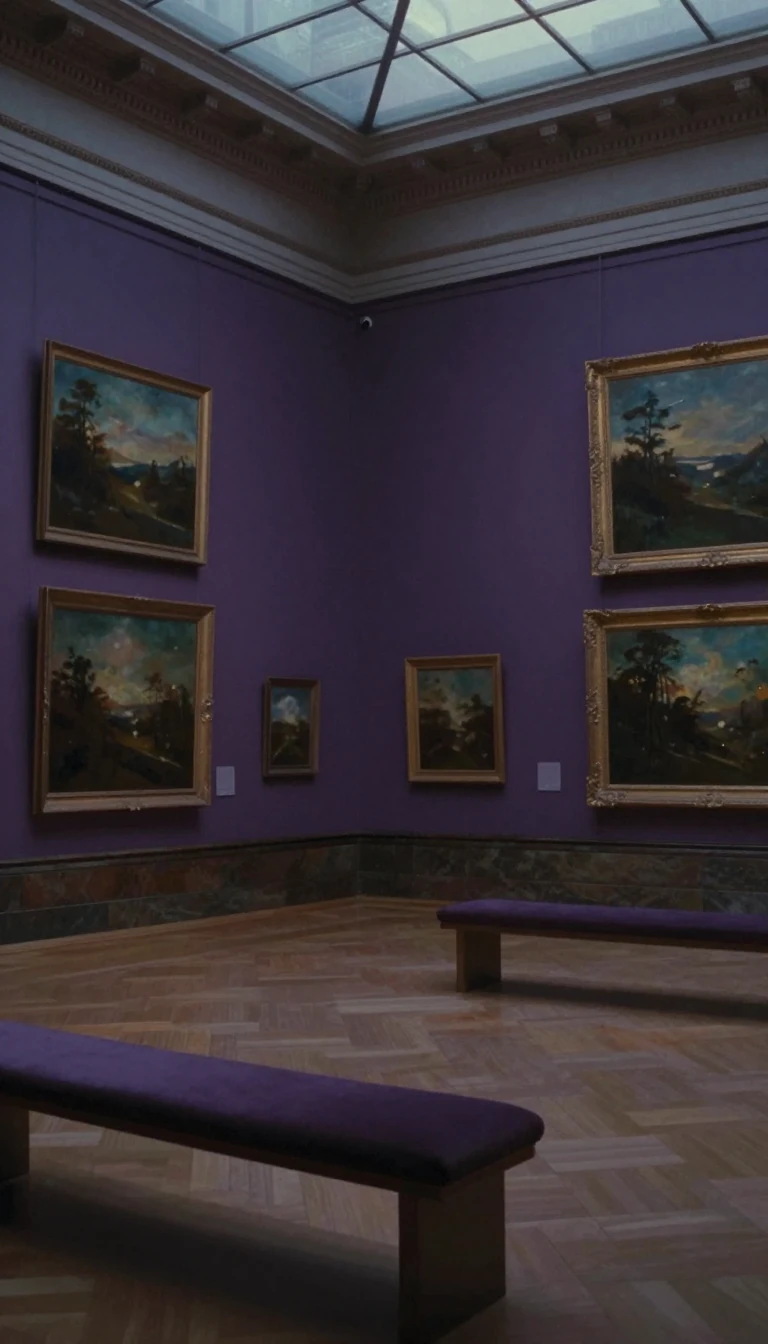
In short: John Collier was a celebrated portrait painter of the Victorian era, capturing the faces of Darwin, Huxley, and Kipling. Yet, behind his brush lay a radical philosophy. He argued that religion was a source of unnecessary strife, advocating instead for a secular, utilitarian morality rooted in simple human kindness.
John Maler Collier (1850–1934) was a central figure in the British art world, renowned for his portraits of the intellectual and political elite. His career spanned decades, during which he painted luminaries ranging from Charles Darwin and Thomas Henry Huxley to Field Marshal Lord Kitchener. While his formal portraits of distinguished men were often noted for their solemnity, his broader body of work included vibrant depictions of women, children, and dramatic 'problem pictures' that explored scenes of ordinary life.
Collier’s personal life was deeply intertwined with the Huxley family. He married two of Thomas Henry Huxley’s daughters, Marian and Ethel, and maintained close intellectual ties with the family. These relationships profoundly influenced his worldview. In his 1926 book, The Religion of an Artist, Collier articulated a philosophy that mirrored the agnosticism and humanism of his father-in-law. He explicitly rejected traditional religious structures, which he viewed as dangerous and prone to superstition, arguing that they placed an unnecessary strain on human reasoning.
Instead of divine guidance, Collier proposed a utilitarian ethical system. He believed that morality could be reduced to an inherent, natural impulse of kindliness toward fellow citizens. For Collier, the future of civilization depended on moving away from religious dogma toward a secular framework that prioritized human welfare over theological obedience. This perspective was not merely a private belief but a core component of his intellectual identity, positioning him as a vocal critic of institutions like Roman Catholicism, which he feared posed a disaster to the progress of modern civilization.
Opens the Intellect+ feed with this card first. Swipe up for the next one.
Sources
- Summary by Intellect · source: John Collier (painter)
To cite this card, link to https://intellectplus.co.uk/app/science-john-collier-painter.
How we source, check and correct cards: Editorial standards.
General information, not professional advice. Spotted an error? Flag the card or see corrections and complaints.
Intellect Plus is a visual educational discovery platform for exploring fascinating facts and ideas. Brain Food, Not Brain Rot. What is Intellect Plus?
Related
More in Physics · More in Science · Latest · A–Z · All topics
