How a Nobel-winning chemist pivoted from infrared light to scanning tunneling microscopy
In short: John Polanyi, a Nobel laureate in chemistry, spent decades mastering the mechanics of chemical reactions. After winning the 1986 prize for his work in infrared chemiluminescence, he radically shifted his research focus, adopting advanced electron optics to visualize chemical reactions at the single-molecule level with unprecedented precision.
Born in Berlin in 1929, John Polanyi belongs to a distinguished family of intellectuals. His father, Michael, was a chemist and philosopher, and his uncle, Karl, was a noted economic historian. After emigrating to the United Kingdom, Polanyi earned his PhD from the University of Manchester in 1952. His early career was defined by a rigorous investigation into chemical dynamics, specifically how molecules behave during the transition state of a reaction.
Polanyi’s Nobel-winning breakthrough involved developing infrared chemiluminescence. This technique allowed him to measure the faint infrared light emitted by newly formed molecules, providing a window into how energy is distributed during a chemical reaction. This work, which he shared with Dudley Herschbach and Yuan T. Lee, fundamentally changed the field's understanding of elementary chemical processes. However, Polanyi remained restless, often noting that the prestige of the Nobel Prize brought unexpected scrutiny to his ongoing research.
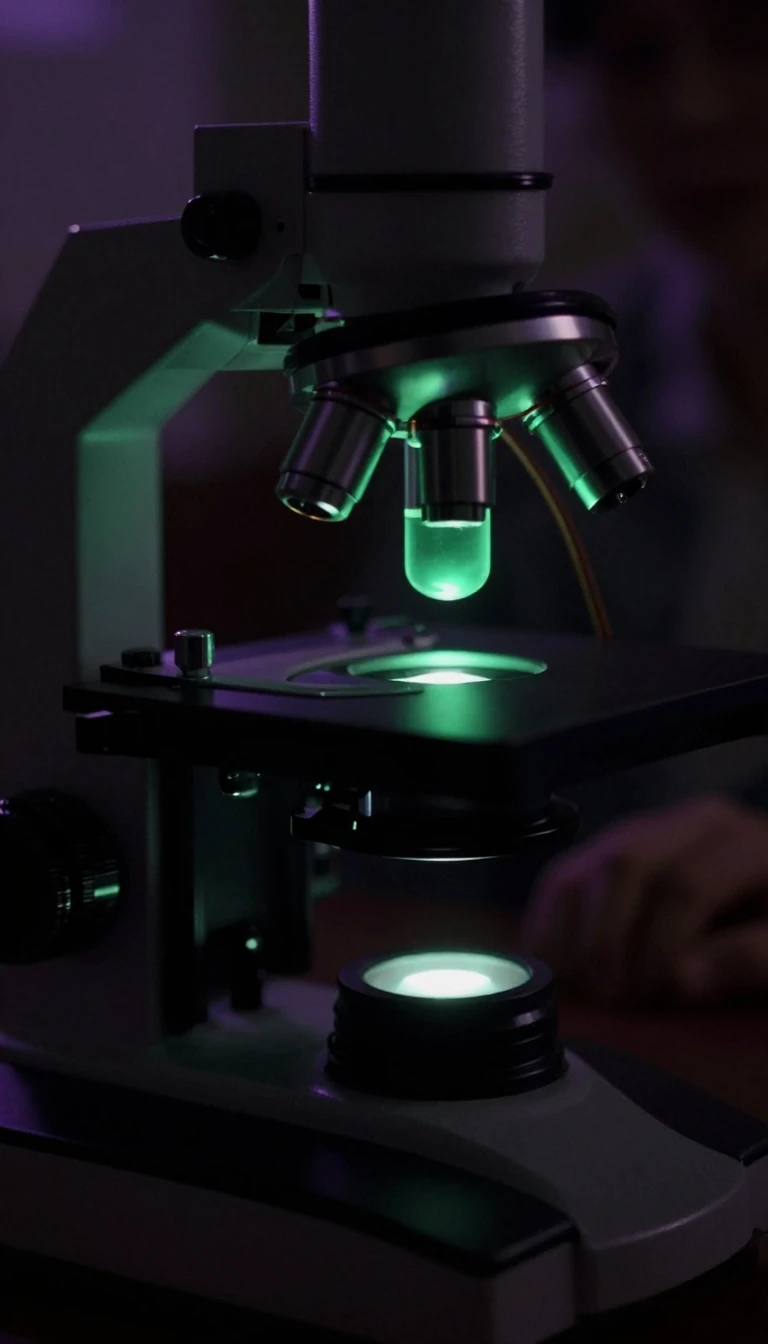
The turning point for his lab occurred during the 1986 Nobel ceremony in Sweden. There, he encountered the physicists who had been awarded the prize for their development of scanning tunneling microscopy (STM). Inspired, Polanyi brought this technology to the University of Toronto. Today, his lab utilizes four STMs, each valued at approximately $750,000, to observe chemical reactions on a scale previously impossible to capture. This shift from infrared detection to direct visualization represents a career-long commitment to uncovering the fundamental mechanics of nature.
Beyond the laboratory, Polanyi has maintained a lifelong dedication to public policy, particularly regarding nuclear disarmament. A founder of Canada’s Pugwash group in 1960, he has spent seven decades advocating for peace and the responsible application of science. Whether through his scientific papers or his frequent contributions to national newspapers, Polanyi remains a vocal proponent of pure research and democratic accountability in international politics.
Opens the Intellect+ feed with this card first. Swipe up for the next one.
Sources
- Summary by Intellect · source: John Polanyi
To cite this card, link to https://intellectplus.co.uk/app/science-john-polanyi.
How we source, check and correct cards: Editorial standards.
General information, not professional advice. Spotted an error? Flag the card or see corrections and complaints.
Intellect Plus is a visual educational discovery platform for exploring fascinating facts and ideas. Brain Food, Not Brain Rot. What is Intellect Plus?
Related
More in Chemistry · More in Science · Latest · A–Z · All topics
