Liquid crystals flow like liquids but maintain the ordered structure of solid crystals.
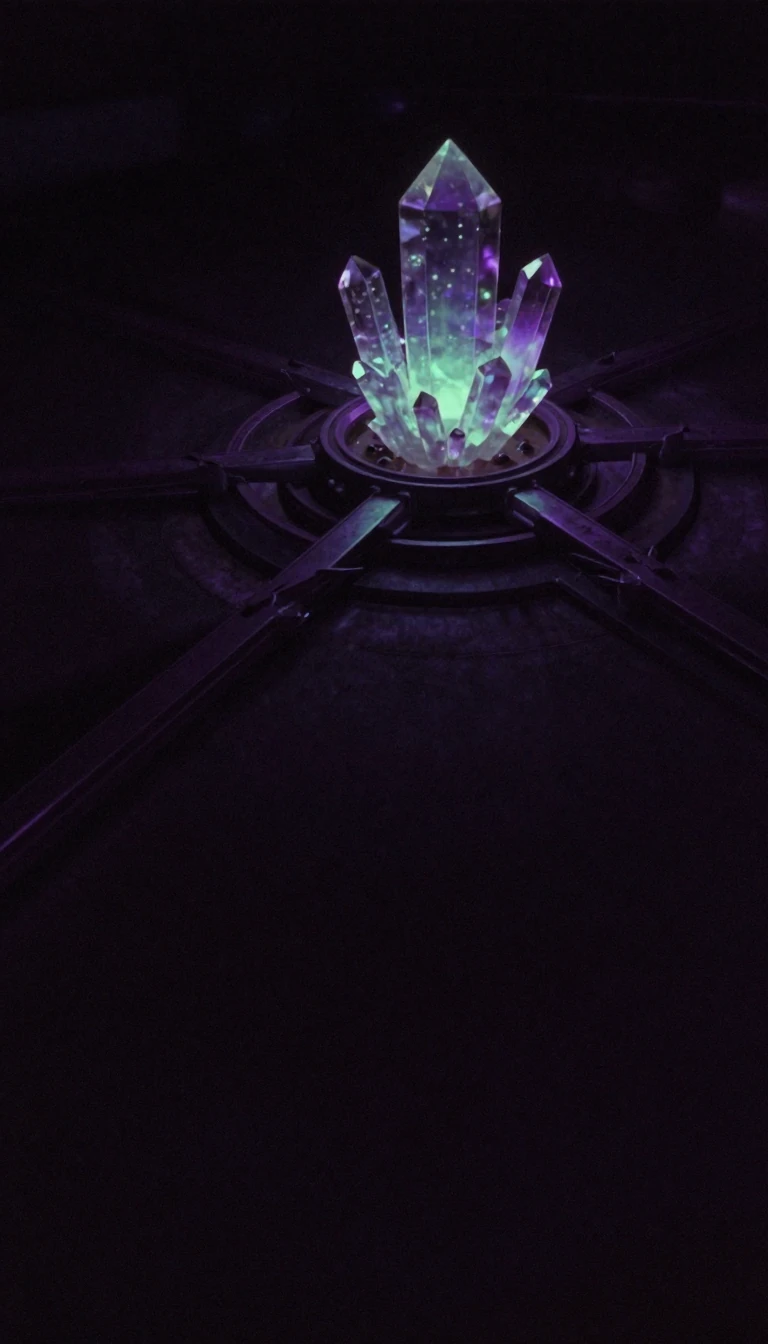
In short: These substances occupy a strange middle ground between fluid and solid. Their elongated molecules align in specific directions, creating unique optical and mechanical properties. From the screens in your pocket to advanced self-assembling photonic microchips, liquid crystals are transforming how we manipulate light and matter in real space.
Liquid crystals are defined by their dual nature: they possess the flow of a liquid while retaining the ordered molecular structure typically found in crystals. These substances are composed of elongated molecules that orient themselves in specific directions. This unique arrangement grants them anisotropic properties—meaning their optical, electrical, and magnetic behaviors change depending on the direction of measurement. Because they are highly responsive to external stimuli, they are increasingly used in adaptive displays, energy-efficient coatings, and soft robotics.
Modern research is pushing the boundaries of what these materials can achieve. Scientists are now using light to steer colloidal particles, weaving the defect lines of nematic liquid crystals into programmable crossings. This allows for the creation of non-Abelian braiding operations that can be compiled in real space. Other innovations include the development of auxetic liquid crystal elastomers, which exhibit layer frustration and anisotropic adhesive properties, making them promising candidates for mechanical metamaterials. Researchers are also exploring solvent-induced microphase segregation to create networks that undergo reversible whitening for adaptive optical applications.
The field is also advancing in material synthesis and photonic integration. For instance, cross-linkable hydroxypropyl cellulose derivatives can self-organize into lyotropic cholesteric liquid crystals, where the reflection peak wavelength is tunable by adjusting concentration. Beyond films, optical micro-printing is enabling the direct self-assembly of photonic microchips using chiral liquid-crystalline elements. These developments highlight a shift from simple display technology toward complex, functional materials that can be precisely engineered at the microscale for diverse technological needs.
Opens the Intellect+ feed with this card first. Swipe up for the next one.
Sources
- Summary by Intellect · source: Liquid crystals - Latest research and news | Nature
- Also: Liquid crystal
To cite this card, link to https://intellectplus.co.uk/app/science-liquid-crystal.
How we source, check and correct cards: Editorial standards.
General information, not professional advice. Spotted an error? Flag the card or see corrections and complaints.
Intellect Plus is a visual educational discovery platform for exploring fascinating facts and ideas. Brain Food, Not Brain Rot. What is Intellect Plus?
Related
More in Condensed matter physics · More in Science · Latest · A–Z · All topics
