Litmus paper is a centuries-old chemical tool derived from humble, color-changing mosses
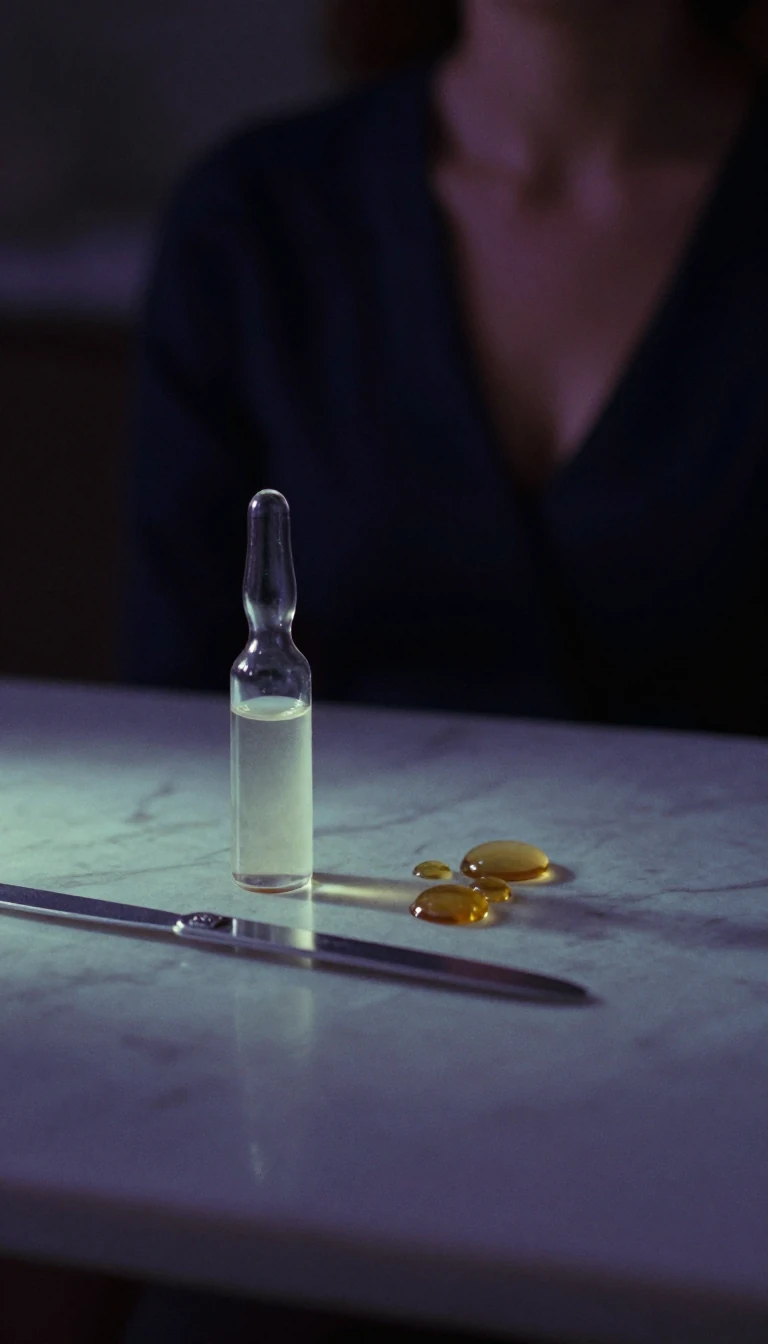
In short: Long before modern laboratories, humanity turned to nature to measure acidity. Litmus, a complex mixture of dyes extracted from specific lichens, has served as a reliable pH indicator since at least 1300. Today, this ancient discovery remains a standard, though its origins are rooted in secret, artisanal manufacturing processes.
The term litmus originates from the Old Norse word litmosi, meaning coloring moss, a name appearing in a 1316 Norwegian law codex. By 1300, the Catalan physician Arnaldus de Villa Nova was already utilizing the substance to investigate acids and bases. Despite its long history, the exact manufacturing techniques were historically guarded as trade secrets, with modern insights into its production largely derived from 20th-century research like D.H.S. Richardson's 1975 study, The Vanishing Lichens.
Chemically, litmus is a sophisticated mixture containing 10 to 15 distinct dyes, sharing components with the related substance orcein. Its primary active component features a 7-hydroxyphenoxazone chromophore and an average molecular mass of 3300. The production process is labor-intensive: lichens, such as Lecanora tartarea or Roccella tinctoria, are ground in a solution of ammonia and sodium carbonate. Over four weeks, the mixture shifts from red to purple and finally blue. After drying, orcein is extracted with alcohol, leaving pure blue litmus to be mixed with chalk or gypsum for commercial use.
As a pH indicator, litmus functions within a range of 4.5 to 8.3 at 25 °C. Blue paper turns red in acidic conditions, while red paper turns blue in alkaline environments. This reaction occurs because red litmus contains a weak diprotic acid; when exposed to a base, hydrogen ions react to form a blue conjugate base. However, litmus is not always a reversible indicator. For instance, chlorine gas permanently bleaches the dye white due to the presence of hypochlorite ions, demonstrating that the substance's utility is highly dependent on the specific chemical environment.
Opens the Intellect+ feed with this card first. Swipe up for the next one.
Sources
- Summary by Intellect · source: Litmus
To cite this card, link to https://intellectplus.co.uk/app/science-litmus.
How we source, check and correct cards: Editorial standards.
General information, not professional advice. Spotted an error? Flag the card or see corrections and complaints.
Intellect Plus is a visual educational discovery platform for exploring fascinating facts and ideas. Brain Food, Not Brain Rot. What is Intellect Plus?
Related
More in Analysis · More in Science · Latest · A–Z · All topics
