Methylene blue is a versatile chemical chameleon that saves lives and reveals hidden data.
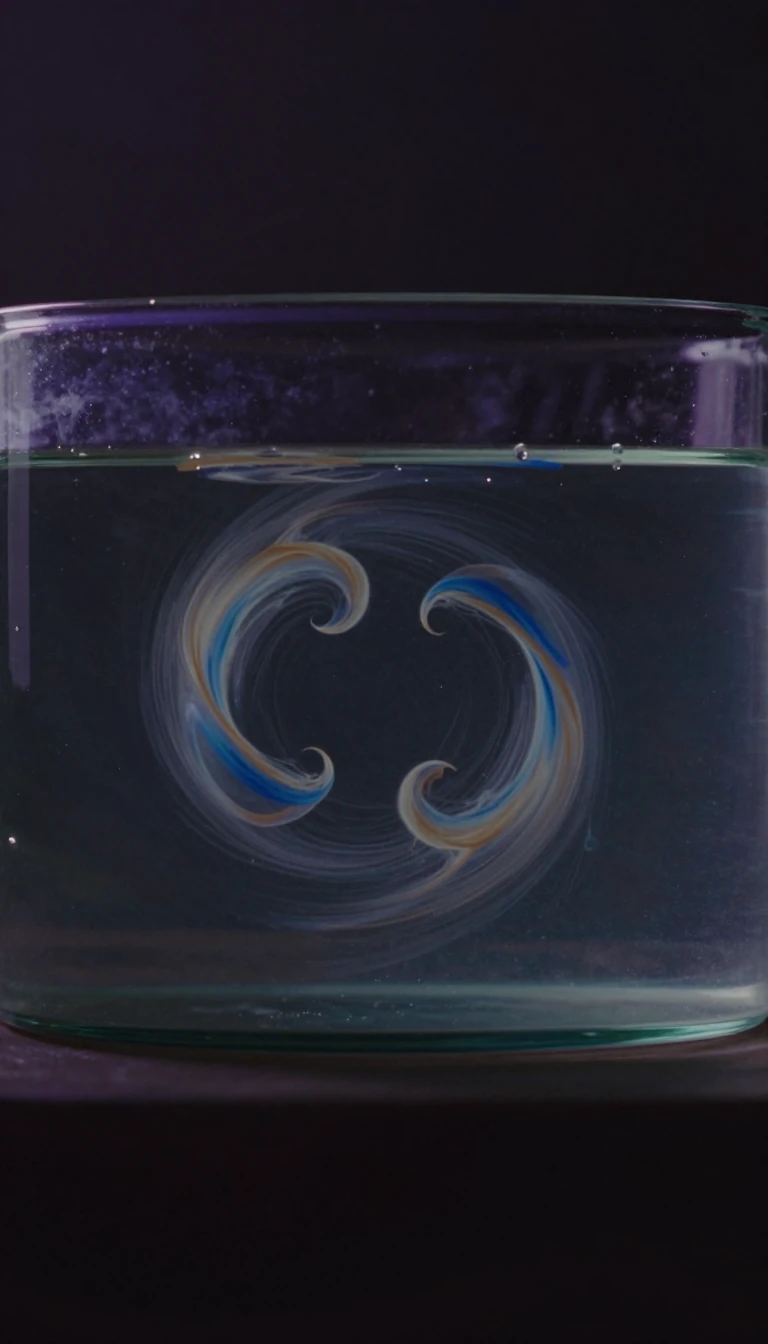
In short: First synthesized in 1876, methylene blue is far more than a simple dye. This potent compound acts as a critical medical antidote, a sensitive redox indicator, and a tool for visualizing biological structures. Its unique ability to shift between blue and colorless states makes it indispensable across science and medicine.
At its core, methylene blue is a phenothiazine derivative that functions as a powerful redox agent. In medicine, it is a life-saving treatment for methemoglobinemia, where it acts as an electron donor to reduce ferric iron back to its functional ferrous state. By facilitating this conversion, it can reduce the half-life of harmful methemoglobin from hours to mere minutes. Beyond this, it is used in surgery to trace lymphatic drainage, identify tissue planes during endoscopic procedures, and even accelerate the hardening of bone cement.
The compound’s utility extends deep into analytical chemistry, where its sensitivity to oxygen and reducing agents makes it a standard indicator. In the classic 'blue bottle' experiment, it demonstrates chemical kinetics by cycling between its oxidized blue form and its colorless, reduced state, known as leucomethylene blue. This property is leveraged industrially to test the freshness of milk, where the dye remains blue only as long as dissolved oxygen levels stay high, signaling that bacterial contamination has not yet depleted the supply.
Despite its utility, methylene blue is not without risks. It is a monoamine oxidase inhibitor, and at high doses, it can trigger serotonin syndrome if combined with serotonergic drugs. Furthermore, while it has been promoted for various unproven health benefits, its safety outside established clinical applications remains unverified. Whether used to detect sulfide concentrations in soil or as a photosensitizer in experimental cancer therapies, methylene blue remains a fascinating example of how a single molecule can be repurposed across vastly different scientific domains.
The compound's behavior is also highly dependent on its physical state and concentration. It exhibits metachromasy, forming dimers and aggregates that alter its light absorption, which peaks near 670 nm. Because it is readily excreted in urine, it has even been used as a placebo in clinical trials, though its distinct coloring makes blinding participants notoriously difficult. From its origins as a synthetic dye to its role in modern photodynamic therapy, methylene blue continues to challenge our understanding of chemical reactivity.
Opens the Intellect+ feed with this card first. Swipe up for the next one.
Sources
- Summary by Intellect · source: Methylene blue
To cite this card, link to https://intellectplus.co.uk/app/science-methylene-blue.
How we source, check and correct cards: Editorial standards.
General information, not professional advice. Spotted an error? Flag the card or see corrections and complaints.
Intellect Plus is a visual educational discovery platform for exploring fascinating facts and ideas. Brain Food, Not Brain Rot. What is Intellect Plus?
Related
More in Analysis · More in Science · Latest · A–Z · All topics
