How a French cloth merchant turned photography from a hobby into a mass industry
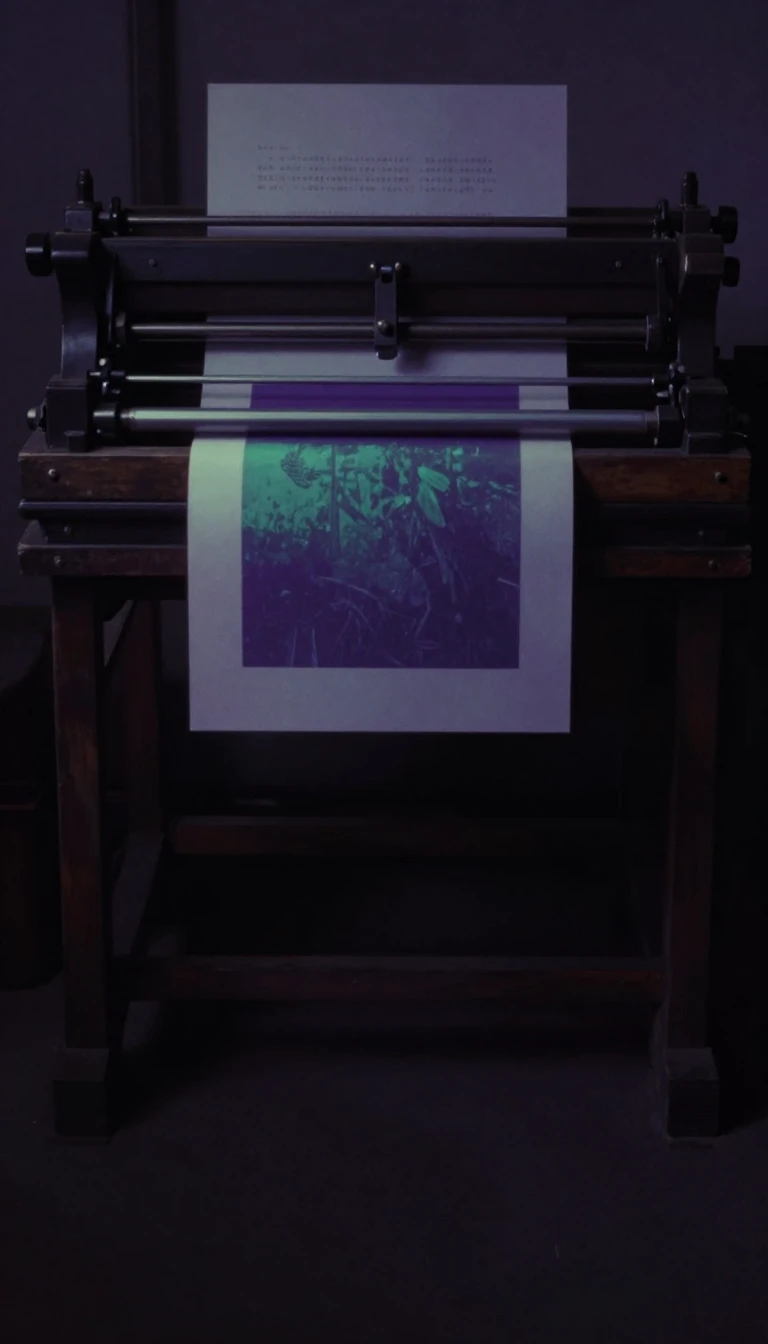
In short: Louis Désiré Blanquart-Evrard transformed early photography by solving the technical hurdles of mass production. While his peers focused on individual daguerreotypes, he pioneered paper-based printing processes that allowed for the first large-scale photographic publishing ventures, effectively laying the groundwork for photography as both a commercial industry and a fine art.
Born in Lille in 1802, Blanquart-Evrard began his career as a cloth merchant before turning his attention to chemistry and photography. Inspired by the 1839 introduction of the daguerreotype, he sought to improve upon the existing calotype process. By 1847, he had revolutionized the field in France by presenting a method for stabilizing photo prints through a specialized chemical bath, moving away from manual brushing to a more consistent floating technique.
His most significant contribution arrived in 1850 with the invention of albumen paper printing. This technique became the standard for the popular carte de visite format, enabling the mass reproduction of images. In 1851, he co-founded the Imprimerie Photographique de Lille, the first company to employ large-scale industrial methods for printing photographs. Through this firm, he published the works of notable photographers like Charles Marville and Maxime Du Camp, bringing high-quality imagery to a wider public audience.
Despite his ingenuity, Blanquart-Evrard faced significant challenges. The calotype process often produced images with washed-out skies and dark foregrounds, forcing artists to use multiple negatives to achieve balance—a practice that sometimes combined morning and afternoon light in a single frame. Furthermore, the prints of the era were prone to fading. By 1855, his printing business collapsed under pressure from the lithography market. Nevertheless, his later years were marked by pioneering work in color printing and the publication of influential theoretical essays that helped define photography as a legitimate artistic medium.
Today, Blanquart-Evrard is recognized as a central figure of the 1850s, a decade often called the golden age of photographic development. His transition from a merchant to an industrial printer and theorist underscores his pivotal role in moving photography from a scientific curiosity toward the mass-market cultural force it became in the late 19th century.
Opens the Intellect+ feed with this card first. Swipe up for the next one.
Sources
- Summary by Intellect · source: Louis Désiré Blanquart-Evrard
To cite this card, link to https://intellectplus.co.uk/app/science-louis-d-sir-blanquart-evrard.
How we source, check and correct cards: Editorial standards.
General information, not professional advice. Spotted an error? Flag the card or see corrections and complaints.
Intellect Plus is a visual educational discovery platform for exploring fascinating facts and ideas. Brain Food, Not Brain Rot. What is Intellect Plus?
Related
More in Inventors and engineers · More in Science · Latest · A–Z · All topics
