Why some materials glow in the dark without ever getting hot to the touch
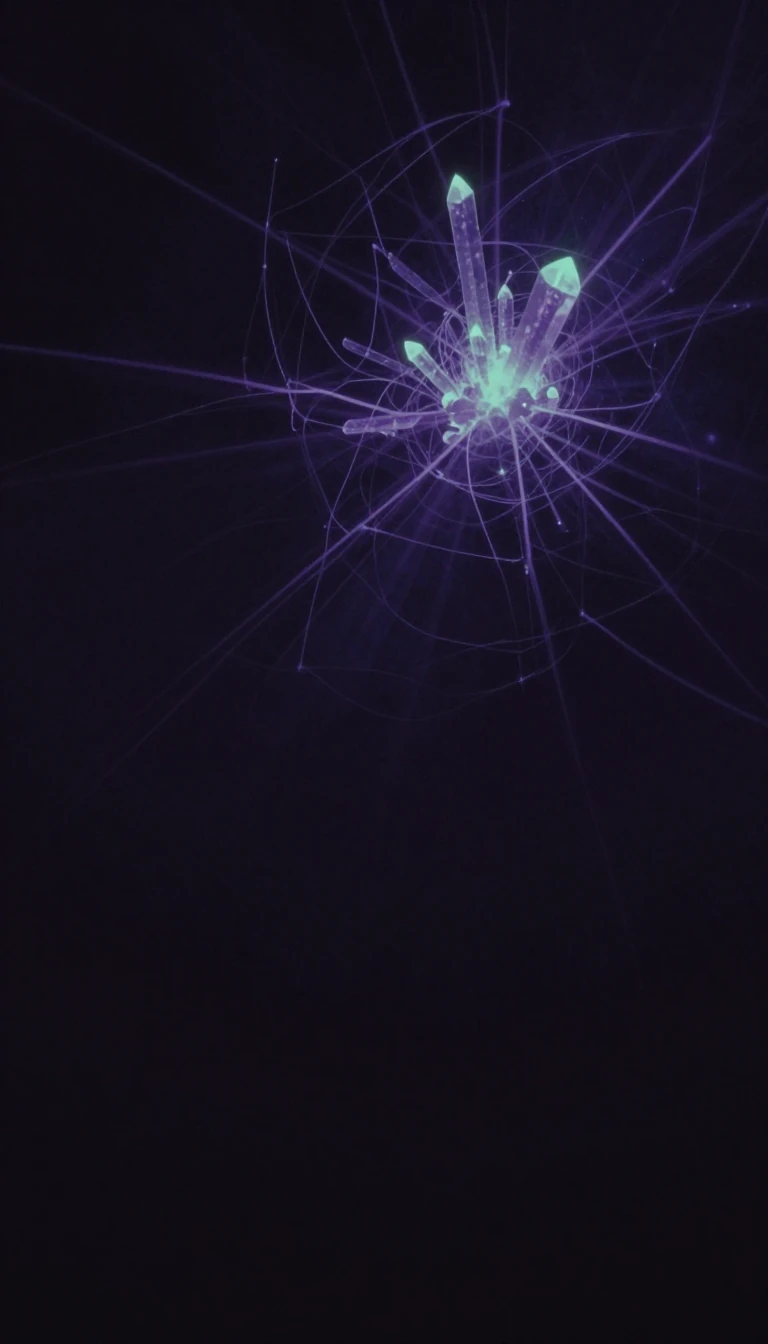
In short: Luminescence is the emission of light from relatively cool materials, a phenomenon often called cold light. Unlike incandescence, where heat drives radiation, luminescence involves electrons shifting between quantum states. From the glow of fireflies to modern television screens, this process transforms invisible energy into visible light with remarkable efficiency.
Luminescence occurs when a material absorbs energy—such as ultraviolet radiation, electron beams, or chemical reactions—which lifts its outermost electrons into an unstable, excited quantum state. As these electrons transition back to their unexcited ground state, the absorbed energy is liberated as light. Because this process does not require the atoms themselves to be in a high state of agitation, the material remains cool, distinguishing it from incandescence, where light is a byproduct of extreme thermal vibration.
The history of synthetic luminescence began in 1603 when Vincenzo Cascariolo, an Italian alchemist, heated barium sulfate and coal to create a material that glowed after sunlight exposure. Known as lapis solaris, or sunstone, it sparked intense interest among scholars who coined the term phosphorus, meaning light bearer, to describe such substances. Today, we distinguish between the chemical element phosphorus and microcrystalline luminescent materials known as phosphors, such as the zinc sulfide variety described in 1866, which remains a staple of modern technology.
Beyond synthetic applications, luminescence is a fundamental natural phenomenon. Robert Boyle conducted early scientific studies on bioluminescence in 1672, observing that the light from glowworms and rotting wood required oxygen and could be inhibited by chemicals like alcohol. Today, we harness these principles in diverse ways, from laundry brighteners that convert ultraviolet light into blue to offset yellowing, to the automated sorting of diamonds using X-ray luminescence. Whether natural or engineered, the ability to manipulate these electronic transitions allows us to turn invisible energy into the light that powers our screens and illuminates our world.
Opens the Intellect+ feed with this card first. Swipe up for the next one.
Sources
- Summary by Intellect · source: Luminescence | Definition, Examples, Types, & Facts | Britannica
- Also: Luminescence
To cite this card, link to https://intellectplus.co.uk/app/science-luminescence.
How we source, check and correct cards: Editorial standards.
General information, not professional advice. Spotted an error? Flag the card or see corrections and complaints.
Intellect Plus is a visual educational discovery platform for exploring fascinating facts and ideas. Brain Food, Not Brain Rot. What is Intellect Plus?
Related
More in Electromagnetism · More in Science · Latest · A–Z · All topics
