Why some materials glow long after the light source is turned off
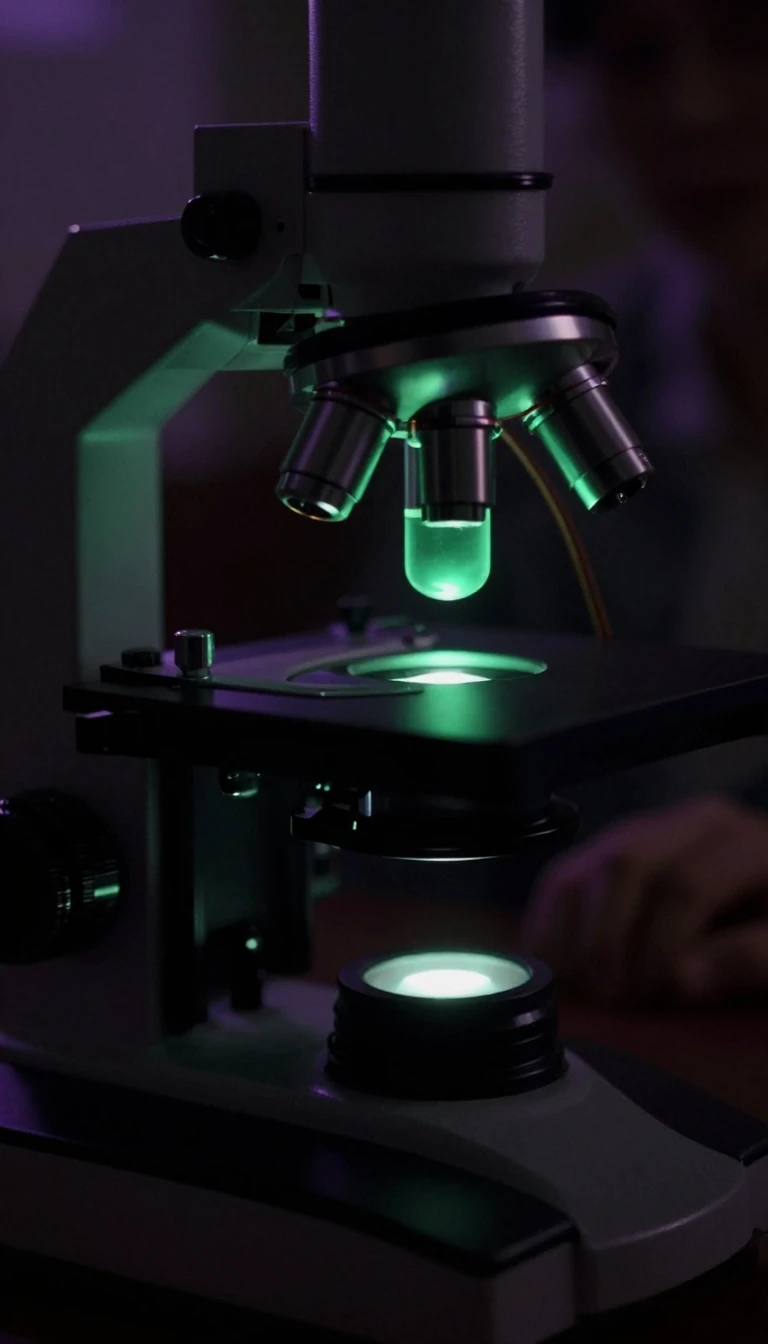
In short: When light hits a phosphor, electrons jump to higher energy levels. Most substances release this energy instantly, but some hold onto it, creating a lingering afterglow. This distinction between immediate fluorescence and persistent phosphorescence is the secret behind everything from glow-in-the-dark toys to critical aircraft instruments.
The magic of luminescence lies in how electrons behave when they are excited by radiation. In a process called fluorescence, electrons absorb energy and then re-emit it almost immediately—typically within about 10⁻⁸ seconds. Because this happens so fast, the glow vanishes the moment the exciting source, such as ultraviolet light or an electron beam, is removed.
Phosphorescence works differently by introducing a delay. When an inorganic phosphor is struck by a particle, an electron can be excited from the valence band to the conduction band or the exciton band. While many electrons return to their original state immediately, others are captured by impurity centers known as activators. These impurities create metastable states that are difficult to exit, forcing the electrons to undergo a slow, low-probability de-excitation. This results in a 'slow component' of light emission that can last from milliseconds to several days.
The specific color and duration of this light depend on the material's chemical composition and its crystal structure. For example, zinc sulfide with a copper activator (ZnS:Cu) is a common choice for glow-in-the-dark items. In contrast, the strontium aluminate developed in 1993 by Yasumitsu Aoki offers significantly higher performance. This material, SrAl2O4:Eu(II):Dy(III), can be ten times brighter and ten times longer-glowing than ZnS:Cu, making it a vital component for high-visibility applications.
However, these materials are sensitive to their environment. Degradation can occur through oxidation, moisture exposure, or even the diffusion of atoms within the crystal lattice. In some cases, such as with the plasma-display phosphor BAM, adding hydrogen can help extend the device's lifetime by reducing oxidized atoms back to their active state.
Opens the Intellect+ feed with this card first. Swipe up for the next one.
Sources
- Summary by Intellect · source: Phosphor
- Also: Phosphor | Light Emitting, Fluorescent, Luminescent | Britannica
To cite this card, link to https://intellectplus.co.uk/app/science-phosphor.
How we source, check and correct cards: Editorial standards.
General information, not professional advice. Spotted an error? Flag the card or see corrections and complaints.
Intellect Plus is a visual educational discovery platform for exploring fascinating facts and ideas. Brain Food, Not Brain Rot. What is Intellect Plus?
Related
More in Biochemistry · More in Science · Latest · A–Z · All topics
