How a medieval Oxford college became a powerhouse of modern scientific research and innovation
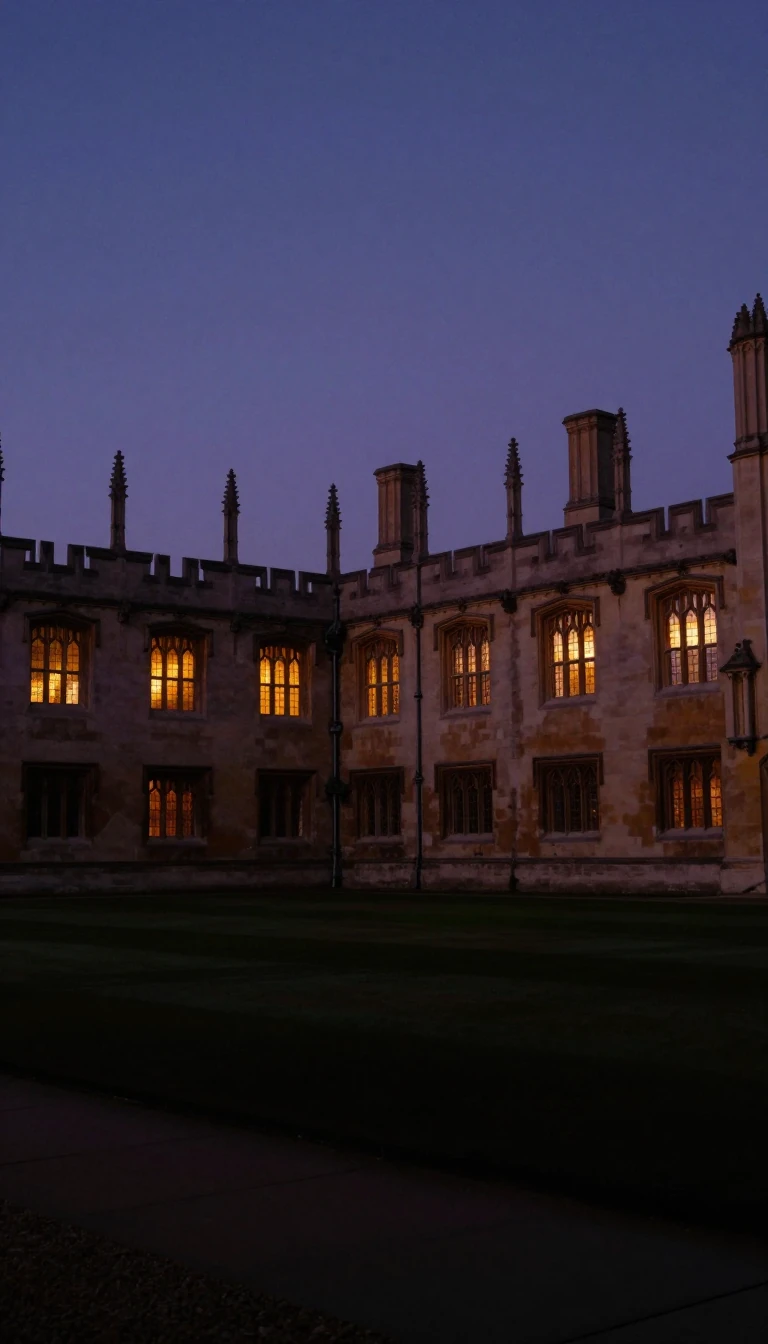
In short: Founded in 1458, Magdalen College is far more than its iconic tower and deer park. Today, it manages the Oxford Science Park, home to over 100 companies, and continues a long tradition of scientific inquiry that began with the 19th-century establishment of the university's principal chemistry laboratory.
Magdalen College, established by William of Waynflete in 1458, has evolved from its medieval origins into a modern academic and commercial hub. While the college is famous for its Gothic architecture and the 144-foot Great Tower, its influence extends deep into the scientific landscape of Oxford. The college's commitment to research is perhaps best exemplified by its management of the Oxford Science Park, a major site south of the city that hosts over 100 technology and science-focused companies. This venture has proven financially transformative; in 2021, the college sold a 40% stake in the park for £160 million, a move reported to potentially double its endowment.
The college's scientific legacy is rooted in the work of 19th-century polymath Charles Daubeny, who held the Sherardian Chair of Botany. Dissatisfied with the university's existing chemistry facilities, which he deemed unworthy of a great institution, Daubeny successfully petitioned for a new laboratory. Completed in 1848, the Daubeny Laboratory served as the university's primary chemistry facility for decades. It featured a distinctive two-storey design with benches and cupboards encircled by a gallery. By 1902, the space was converted into a lecture hall due to ventilation issues, and in 1973, it was reconfigured into graduate student accommodation, though it remains a conference space today.
Beyond its physical infrastructure, Magdalen maintains a focus on contemporary scientific challenges. The college actively fosters research into emerging fields, including the societal and professional impacts of artificial intelligence. This blend of historical preservation—such as the 1508 allegorical hieroglyphics in the Cloister that represent scholarly subjects like science and medicine—and forward-looking investment illustrates the college's unique position. By balancing its role as a historic institution with its status as a significant player in the modern science economy, Magdalen continues to shape the academic and commercial future of the University of Oxford.
Opens the Intellect+ feed with this card first. Swipe up for the next one.
Sources
- Summary by Intellect · source: Magdalen College, Oxford
- Also: www.magd.ox.ac.uk — There’s more to Magdalen - Magdalen College
To cite this card, link to https://intellectplus.co.uk/app/science-magdalen-college-oxford.
How we source, check and correct cards: Editorial standards.
General information, not professional advice. Spotted an error? Flag the card or see corrections and complaints.
Intellect Plus is a visual educational discovery platform for exploring fascinating facts and ideas. Brain Food, Not Brain Rot. What is Intellect Plus?
Related
More in Scientists, inventors and mathematicians · More in Science · Latest · A–Z · All topics
