Why a Christmas party prank gave this terrifyingly powerful acid its iconic name
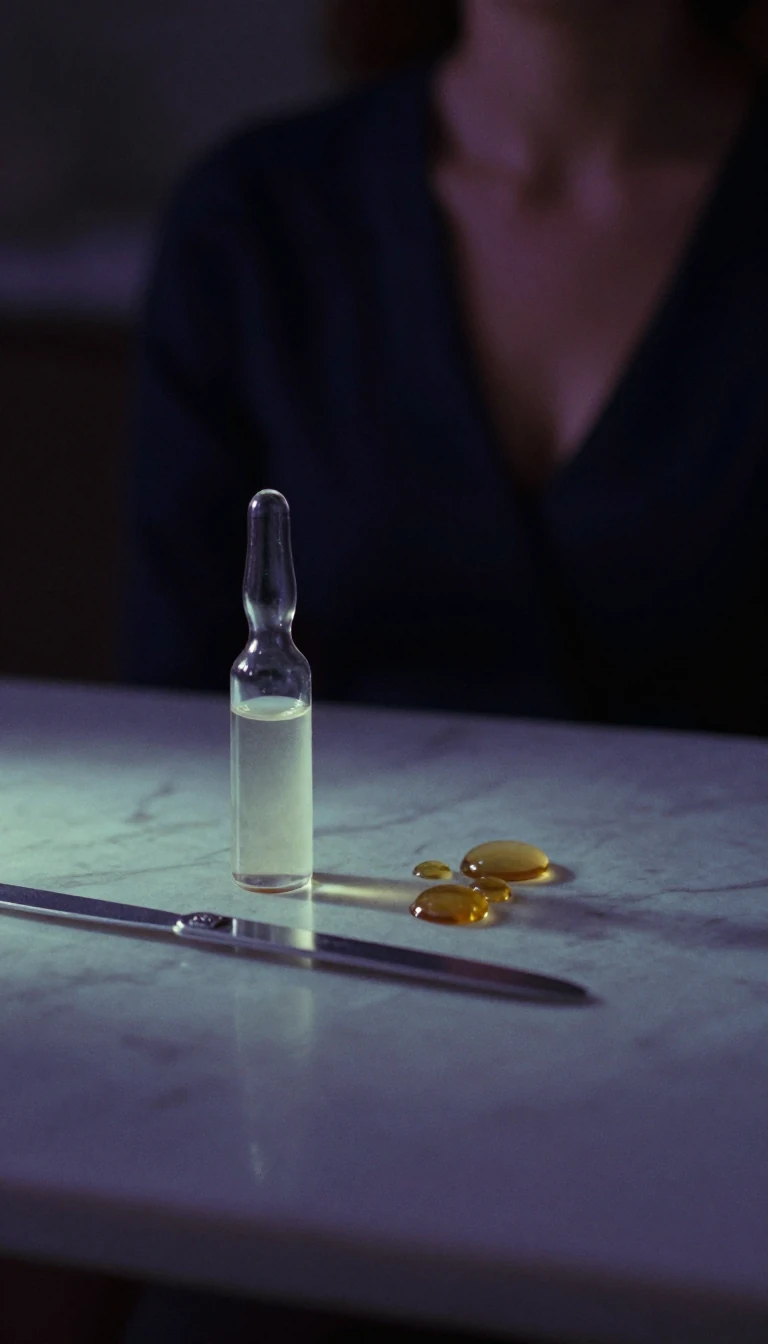
In short: In 1966, a chemist dropped a paraffin candle into a mysterious liquid mixture, watching it dissolve almost instantly. This accidental discovery revealed the substance’s ability to force inert hydrocarbons into reactive states, earning it the name Magic Acid. It remains one of the most potent chemical tools in existence.
Developed during the 1960s at McMaster University by Ronald Gillespie and his research group, Magic Acid is a superacid composed of a roughly one-to-one molar mixture of fluorosulfuric acid and antimony pentafluoride. The term superacid itself describes any proton-producing acid stronger than pure sulfuric acid. While sulfuric acid has a Hammett acidity function of -12, the Magic Acid system reaches -23, making it millions of times more acidic.
The substance gained its name after a lab member working with George Olah demonstrated its power by dissolving a candle. Analysis revealed the wax had been cleaved and isomerized into a stable tertiary carbocation. This ability to stabilize carbocations—highly electron-deficient, positively charged carbon species—allowed researchers to observe structures that were previously impossible to study. It even enables the protonation of weak bases like methane, xenon, and molecular hydrogen, effectively turning supposedly inert alkanes into reactive participants in chemical synthesis.
Beyond simple protonation, Magic Acid facilitates complex reactions like the electrophilic insertion into single sigma bonds, which can oxygenate alkanes, alcohols, and ketones. Its unique properties have fueled long-standing scientific debates, such as the nature of nonclassical, hypercoordinated ions like the norbornyl cation. Because these ions involve multi-center bonding, they challenge traditional models of chemical structure. However, this reactivity comes with extreme danger; the acid is highly toxic, causes severe burns, and requires rigorous safety protocols including full-face respirators.
George Olah famously suggested that the term paraffin—derived from Latin for 'lacking in affinity'—is no longer appropriate for alkanes treated with such reagents. By proving that these 'noble' hydrocarbons could be forced into reaction, Magic Acid fundamentally shifted our understanding of chemical potential. While even stronger substances like fluoroantimonic acid exist, reaching Hammett values near -28, Magic Acid remains a cornerstone for exploring the limits of molecular stability and reactivity.
Opens the Intellect+ feed with this card first. Swipe up for the next one.
Sources
- Summary by Intellect · source: Magic acid
- Also: pubchem.ncbi.nlm.nih.gov — Magic Acid
To cite this card, link to https://intellectplus.co.uk/app/science-magic-acid.
How we source, check and correct cards: Editorial standards.
General information, not professional advice. Spotted an error? Flag the card or see corrections and complaints.
Intellect Plus is a visual educational discovery platform for exploring fascinating facts and ideas. Brain Food, Not Brain Rot. What is Intellect Plus?
Related
More in Acids and bases · More in Science · Latest · A–Z · All topics
