Superacids are so powerful they can dissolve wax and force reactions in inert hydrocarbons.
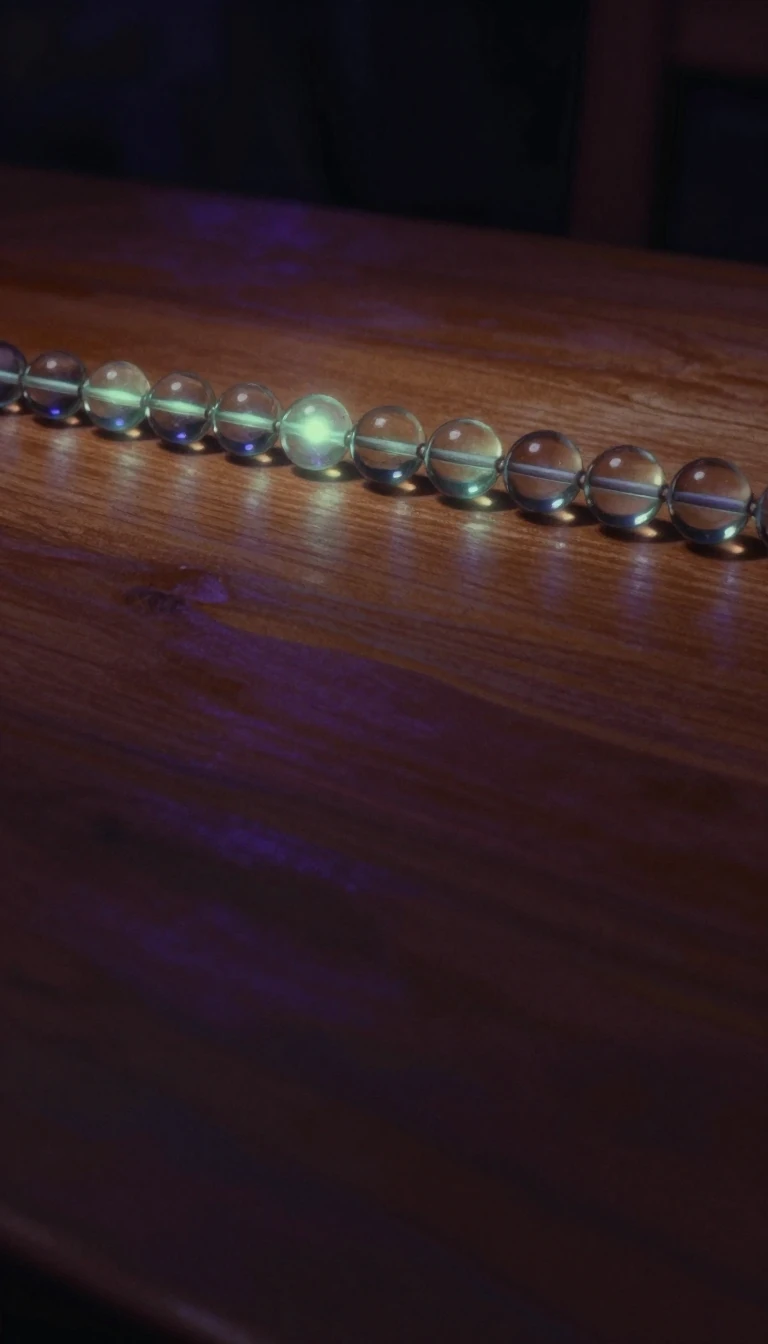
In short: Superacids defy conventional chemistry by protonating substances that usually refuse to react, such as alkanes. While often described as containing naked protons, the reality is a complex dance of molecular stabilization. These substances are essential for modern industry, enabling the creation of high-octane fuels and specialized plastics.
In chemistry, a superacid is defined by its ability to exceed the acidity of 100% pure sulfuric acid, which has a Hammett acidity function (H0) of −12. While the term was coined by James Bryant Conant in 1927, the modern definition—refined by Ronald Gillespie in 1971—focuses on the chemical potential of the proton. These acids are typically created by combining a strong Brønsted acid with a Lewis acid, which stabilizes the resulting anion and prevents it from acting as a proton acceptor, thereby maximizing the solution's proton-donating power.
One of the most famous examples is magic acid, developed by George A. Olah. Its name originated after a candle dissolved in a sample during a Christmas party, a demonstration of its ability to protonate alkanes. This extreme reactivity is harnessed in the petrochemical industry, where superacidic sites within zeolites are used on a massive scale to upgrade hydrocarbons. By creating and stabilizing highly reactive carbocations, these acids facilitate critical processes like the production of high-octane gasoline and the synthesis of various plastics.
Despite the popular image of 'naked' protons roaming freely, this is a misconception. In the condensed phase, protons are always bound to molecules, such as hydrogen fluoride in fluoroantimonic acid. The process of stripping a proton away from these bonds is highly endothermic, requiring significant energy. Instead of being truly unbound, protons in these systems move rapidly through hydrogen-bonded networks via the Grotthuss mechanism. Recent innovations have also introduced carborane acids, which achieve immense strength through the unique three-dimensional aromaticity of their anions rather than traditional mixing methods.
The strength of these acids is measured by the Hammett acidity function, where lower, more negative values indicate greater acidity. Fluoroantimonic acid, for instance, can reach an H0 of −28, making it over a billion times stronger than pure sulfuric acid. These materials remain vital tools for organic chemists, allowing for the characterization of unstable intermediates that would otherwise be impossible to study under normal conditions.
Opens the Intellect+ feed with this card first. Swipe up for the next one.
Sources
- Summary by Intellect · source: Superacid
To cite this card, link to https://intellectplus.co.uk/app/science-superacid.
How we source, check and correct cards: Editorial standards.
General information, not professional advice. Spotted an error? Flag the card or see corrections and complaints.
Intellect Plus is a visual educational discovery platform for exploring fascinating facts and ideas. Brain Food, Not Brain Rot. What is Intellect Plus?
Related
More in Acids and bases · More in Science · Latest · A–Z · All topics
