Why the best way to learn music is to stop playing instruments
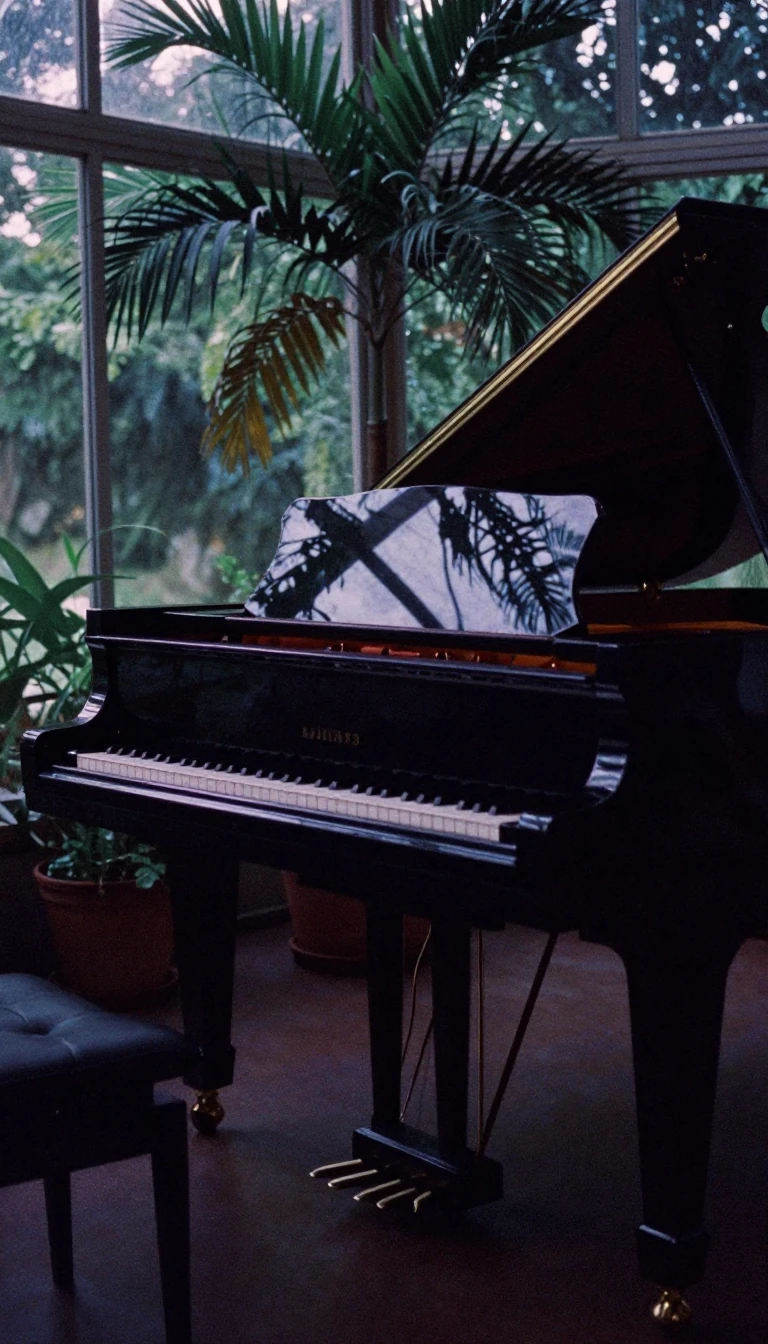
In short: Émile Jaques-Dalcroze believed traditional music education was fundamentally broken. Instead of starting with pianos or violins, he argued that the first instrument a student must master is their own body. By turning rhythmic movement into a physical language, he revolutionized how we teach music and influenced modern dance forever.
In 1892, Émile Jaques-Dalcroze became a professor of harmony at the Geneva Conservatory. He soon grew frustrated with conventional training, which he felt treated music theory as an abstraction detached from sound and physical feeling. He observed that students who struggled to keep time while playing an instrument could often walk in perfect rhythm naturally. To bridge this gap, he developed eurythmics, a system where musical concepts are expressed through the body. In these exercises, arms represent time, while feet and body movements signify note values—a quarter note, for instance, is marked by a single step.
The method relies on three pillars: rhythmic movement, ear training, and improvisation. By requiring students to listen to a new rhythm while simultaneously executing one they have already heard, the system forces a high level of concentration and rapid physical reaction. Jaques-Dalcroze believed this process developed an 'inner ear,' allowing students to think, read, and write music without needing an external instrument. He first tested these ideas on elementary-school children before opening his own institute in Hellerau-Rähnitz, Germany, in 1910.
While Jaques-Dalcroze insisted that eurythmics was a tool for musical education rather than a form of dance, its impact on the performing arts was profound. His work influenced 20th-century theatrical dance, providing a non-balletic alternative for choreographers. Notable figures like Marie Rambert and Hanya Holm were his pupils, and the system even left a mark on ballet; Vaslav Nijinsky’s 1913 choreography for The Rite of Spring showed clear eurythmic influence. Although some modern dancers like Mary Wigman eventually rejected musically influenced choreography, the Dalcroze method remains a foundational, if unconventional, approach to musical mastery.
Opens the Intellect+ feed with this card first. Swipe up for the next one.
Sources
- Summary by Intellect · source: Émile Jaques-Dalcroze | Rhythm, Music Education, Eurhythmics | Britannica
- Also: Émile Jaques-Dalcroze
To cite this card, link to https://intellectplus.co.uk/app/science-mile-jaques-dalcroze.
How we source, check and correct cards: Editorial standards.
General information, not professional advice. Spotted an error? Flag the card or see corrections and complaints.
Intellect Plus is a visual educational discovery platform for exploring fascinating facts and ideas. Brain Food, Not Brain Rot. What is Intellect Plus?
Related
More in Social scientists · More in Science · Latest · A–Z · All topics
