The étude evolved from a simple practice drill into a vehicle for musical transcendence.
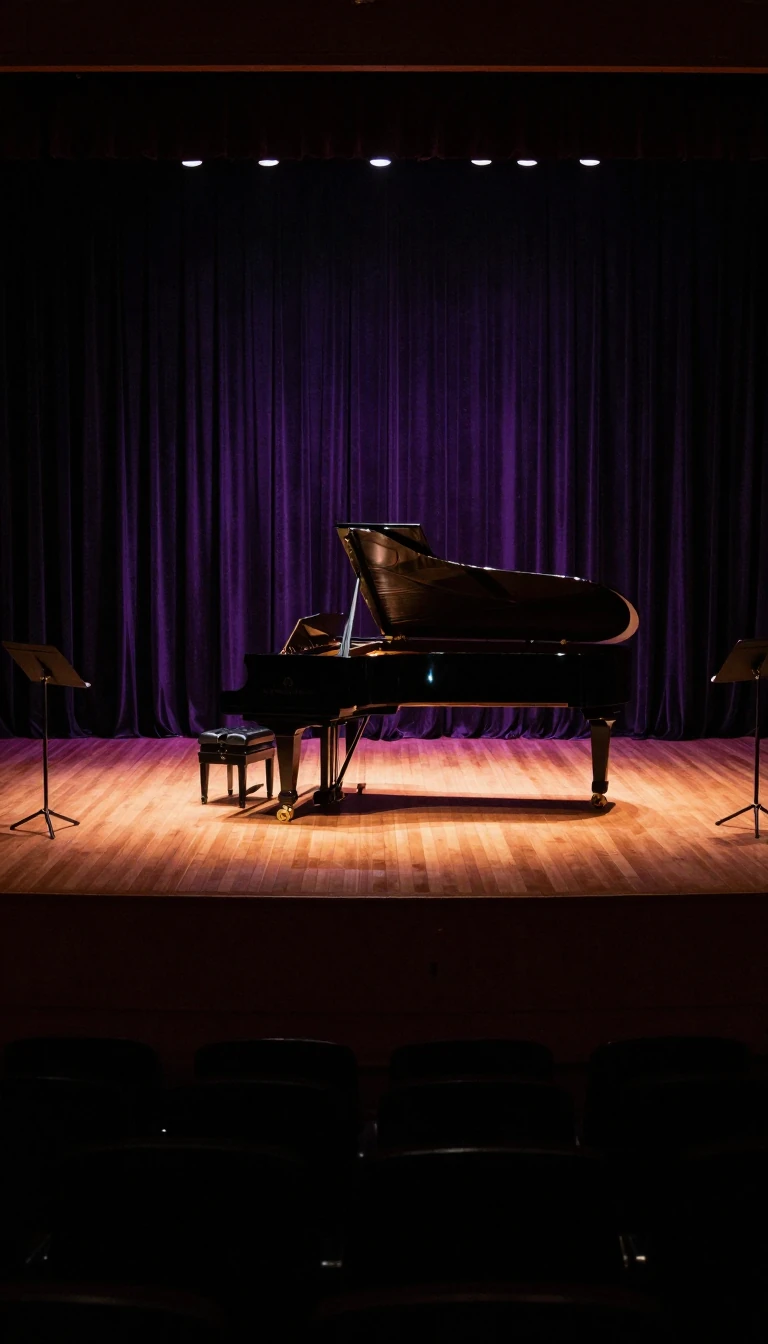
In short: Originally designed as short, functional exercises for mastering specific technical skills, études transformed during the 19th century. Composers began blending didactic utility with concert-hall artistry, eventually pushing the boundaries of performance until some études became avant-garde experiments, indeterminate works based on star charts, or displays of extreme virtuosity.
The étude, or study, emerged as a distinct genre in the early 19th century, fueled by the rising popularity of the piano. While earlier keyboard works by composers like J.S. Bach or Domenico Scarlatti served didactic purposes, they lacked a standardized form. By the 1800s, however, instruction books became ubiquitous, with composers like Johann Baptist Cramer and Carl Czerny producing collections that focused on refining specific technical facets.
A pivotal shift occurred when composers like Ignaz Moscheles and Muzio Clementi began crafting 'concert studies'—pieces that balanced pedagogical value with aesthetic appeal for public audiences. Frédéric Chopin elevated the form further with his Op. 10 and Op. 25 collections, which introduced novel techniques that challenged even the greatest virtuosos of the era, such as Franz Liszt. Liszt himself expanded the genre, creating works like his Études d'Execution Transcendante, which prioritized complex, varied character over simple didactic repetition.
By the 20th century, the étude had diverged into wildly different paths. While some composers like György Ligeti maintained the traditional focus on specific techniques, others abandoned the didactic model entirely. Olivier Messiaen used the form to experiment with rhythm and coloration, while John Cage pushed the concept into the realm of the indeterminate by basing his compositions on star charts. Today, the étude remains a vital, if transformed, part of the musical canon, bridging the gap between the practice room and the concert stage.
Opens the Intellect+ feed with this card first. Swipe up for the next one.
Sources
- Summary by Intellect · source: Étude
To cite this card, link to https://intellectplus.co.uk/app/music-tude.
How we source, check and correct cards: Editorial standards.
General information, not professional advice. Spotted an error? Flag the card or see corrections and complaints.
Intellect Plus is a visual educational discovery platform for exploring fascinating facts and ideas. Brain Food, Not Brain Rot. What is Intellect Plus?
Related
More in Music · More in Music · Latest · A–Z · All topics
